ADVERTISEMENT
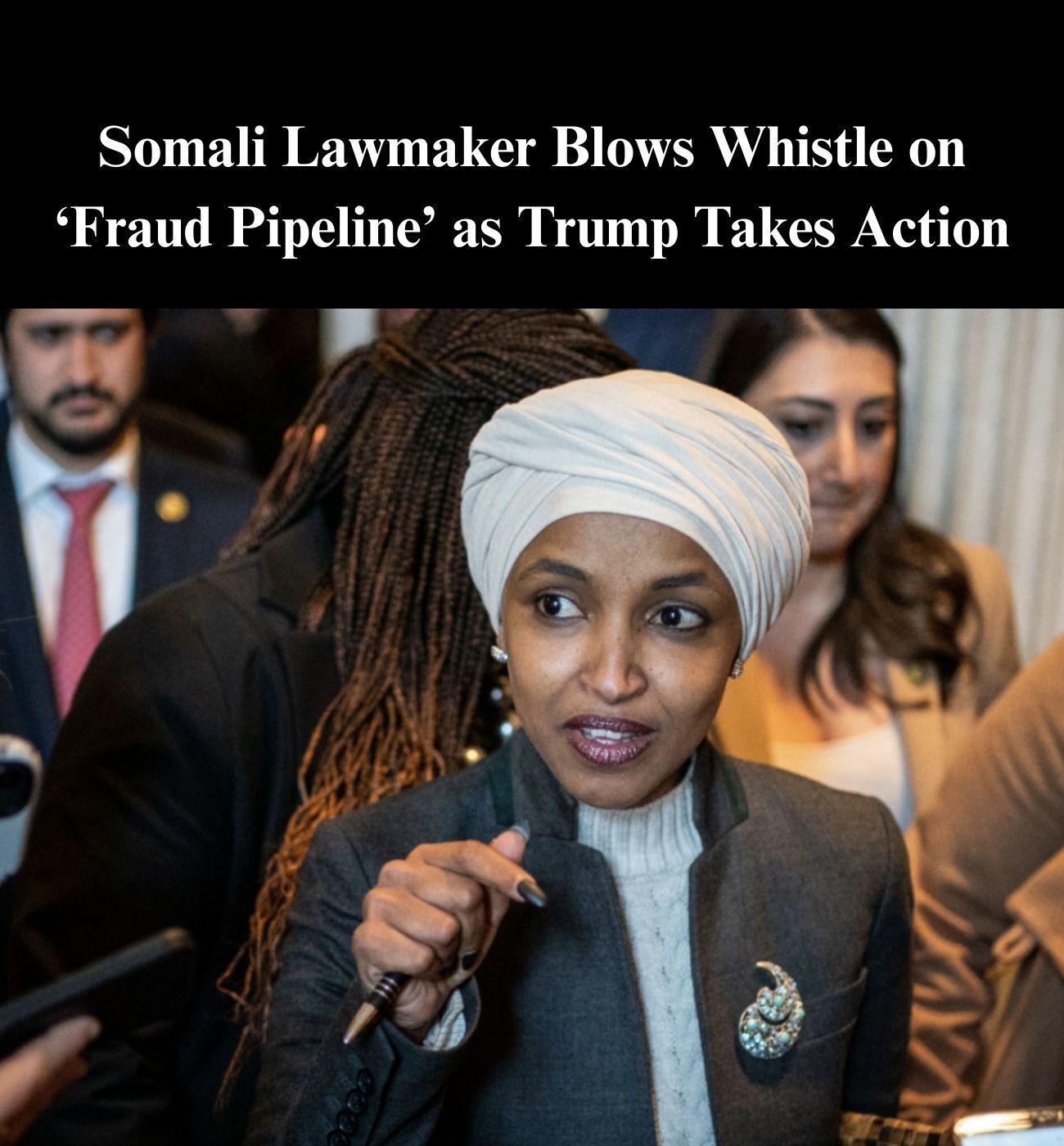
Somali Lawmaker Blows Whistle on ‘Fraud Pipeline’ as Trump Takes Action: What’s Really Going On?
In early 2026, political and media attention in the United States turned sharply toward a controversy involving allegations of large‑scale fraud in Minnesota’s social services system, the amplification of those claims by federal political leaders, and a Somali politician’s unique perspective on the matter. The allegations quickly escalated into national headlines — drawing in President Donald Trump, Republican lawmakers, Somali American communities, Minnesota political leaders, and foreign policy observers.
Let’s unpack what’s known, what’s alleged, and why this matters.
The Allegations: A Somali Lawmaker’s Warning
In mid‑January 2026, Dr. Abdillahi Hashi Abib, a member of the Somali Parliament’s Foreign Affairs Committee, gave an interview to The Daily Caller in which he described a “fraud pipeline” reaching from U.S. taxpayer money into systems tied to corruption in Somalia. He claimed that longstanding patterns of corruption in the Somali government and international aid systems help explain why organized fraud has appeared in some U.S. assistance programs connected with Somali residents and organizations. Abib argued that U.S. agencies have ignored his warnings and detailed data for years, and that what is now emerging in U.S. political discourse is only the “tip of the iceberg.”
According to Abib, the fraudulent flow starts not with Somali immigrants themselves, but with systemic corruption within Somalia’s institutions, where public funds and aid meant for humanitarian relief are siphoned off through inflated contracts, fictitious positions, and shell arrangements. Abib argued that money never reaches its intended recipients — instead being monetized through private enterprises and, in some cases, wider networks that he believes could even fund extremist groups. He also suggested that large portions of humanitarian assistance funded by U.S. taxpayers have been diverted away from their intended purposes by corrupt practices at several levels.
Abib’s account painted a picture of an institutional problem, not one rooted primarily in racial or ethnic identities, and he said that most Somali immigrants living in the U.S. do not participate in or benefit from fraud schemes, even as narratives sometimes blur lines between individual culpability and broad community generalizations.
But before delving further into Abib’s perspective, it’s important to ground this conversation in what has been happening in Minnesota itself.
Continue reading…
ADVERTISEMENT
