ADVERTISEMENT
What Triggered the U.S. Fraud Spotlight?
The fraud controversy in the U.S. most recently erupted around investigations into various Minnesota state assistance programs — particularly welfare reimbursements, child care funding, housing and Medicaid services. Federal and state law enforcement have said that Minnesota has been susceptible to scams in several programs, leading to charges against dozens of individuals and convictions in cases involving tens of millions of dollars in fraudulent claims.
Media and political focus on these cases increased even more sharply when YouTuber Nick Shirley published videos in late December 2025 alleging widespread fraud at Somali‑run childcare centers, based on visits during hours when those centers were closed. That video went viral, being shared and amplified by national political figures, though Minnesota regulators later found that many of the centers were in fact operating normally when inspected, and they cautioned that the initial claims lacked clear evidence for fraud at the specific sites visited by Shirley.
In response to the heightened scrutiny — fueled in part by online social media attention — the U.S. Department of Health and Human Services froze certain federal child care funding to Minnesota, and the Trump administration increased federal presence in the state to pursue broader alleged fraud across multiple programs.
So, there is a complex backdrop of actual investigations, state and federal law enforcement actions, and widely shared but unverified online claims — all contributing to the current controversy.
Trump’s Response: Policy and Rhetoric
President Trump responded to the Minnesota developments with critiques of state officials, Minnesota’s Somali community, and national immigration policies. In messages on his social platform Truth Social and in public statements, he accused Minnesota of being a “hub of fraudulent money laundering activity” and directly tied alleged abuses to broader concerns about immigration and enforcement.
Trump’s rhetoric extended to attacks on Democratic lawmakers such as Rep. Ilhan Omar, who is of Somali origin, connecting the fraud narrative to longstanding political feuds and amplifying claims about misuse of taxpayer funds while making controversial remarks about Somali immigrants more broadly.
Among the strongest policy moves was the announcement to end Temporary Protected Status (TPS) for Somali immigrants — a designation that had previously given some members of the community legal protections due to instability in Somalia — and to boost federal enforcement activity, including immigration operations in Minnesota.
Critics have called Trump’s approach racially charged and overbroad, arguing that it unfairly targets an entire community for the actions of a minority of individuals, while defenders argue that decisive action is needed to crack down on fraud and protect taxpayers.
While fraud has undoubtedly occurred in multiple Minnesota assistance programs, the scale and nature are matters of debate:
Federal prosecutors in Minnesota have charged more than 90 people in connection with various fraud schemes, with many convictions recorded. These charges span programs beyond child care, including nutrition, housing and Medicaid‑related reimbursements.
Investigators emphasize that these cases involve schemes to submit false or inflated claims for services not actually provided, billing millions in public funds.
However, reporting by independent media outlets has noted that some of the specific daycare fraud claims made in viral videos were inaccurate or based on limited observations (e.g., visiting outside operating hours).
There is no public evidence that proceeds from these schemes have funded terrorism or formal foreign government corruption networks — contrary to some more explosive political assertions.
Importantly, while many defendants in the largest fraud cases have been Somali Americans, legal experts stress that ethnicity or national origin does not imply that an entire community is complicit — and community leaders have condemned broad generalizations that target Somali Americans as a whole.
How Abib’s Whistleblower Claims Fit In
Abib’s concern that U.S. authorities did not act sooner on data he shared reflects a longstanding challenge in fraud detection and intergovernmental communication: complex scams often evolve over years, and isolated data points — even if robust — may not immediately trigger comprehensive investigations without corroborating evidence from multiple sources.
His call for governance reforms in Somalia to reduce corruption at the source highlights how weak institutions abroad can have ripple effects, especially in globalized financial systems where aid and remittances move across borders. But critics note that linking international corruption directly to domestic fraud schemes risks oversimplification absent clear, traceable evidence.
Political Polarization and Community Impact
The political fallout from these fraud claims has been intense:
Republican lawmakers have seized on the issue as evidence of broader failures in welfare oversight, calling for expanded federal investigations and enforcement.
Democrats and community leaders argue that the focus on Somali immigrants obscures larger patterns of fraud that occur in multiple states and communities, and that singling out one group fuels racism and scapegoating.
Minnesota Gov. Tim Walz has faced criticism from both sides — accused by Republicans of failing to crack down on fraud, and by Democrats of having his state unfairly targeted by federal rhetoric.
Members of the Somali American community have expressed concern about increasing harassment, immigration enforcement pressure, and the possibility that rhetoric around fraud could erode social cohesion.
This highly charged atmosphere complicates efforts to address actual fraud while also protecting civil rights and preventing discriminatory backlash.
A Broader Perspective on Fraud and Policy
There are some key takeaways that go beyond headlines:
Fraud in government programs is not unique to one community. Abuse of public funds occurs in many forms and locations, often facilitated by weak controls or opaque contracting structures.
Viral social media allegations sometimes amplify issues prematurely. Videos that go viral may draw attention but not always reflect the full facts or context.
Effective oversight requires strong legal evidence and procedural safeguards. Political rhetoric can influence public perception, but prosecutorial and regulatory systems rely on documented, verifiable proof.
Community relations matter. Highlighting fraud cases without careful nuance can damage trust and unfairly stigmatize entire populations.
What Comes Next?
As investigations into Minnesota’s fraud continue, and as federal and state authorities consider policy responses, several questions remain:
Will law enforcement produce additional documented evidence showing the true scale of abuses and how they occurred?
Can policymakers balance the need for oversight with protecting immigrant communities from collective blame and discrimination?
Will reforms in both domestic welfare systems and international governance practices reduce opportunities for fraud without undermining necessary social services?
And perhaps most importantly: How do we foster accountability without sacrificing fairness?
Final Thoughts
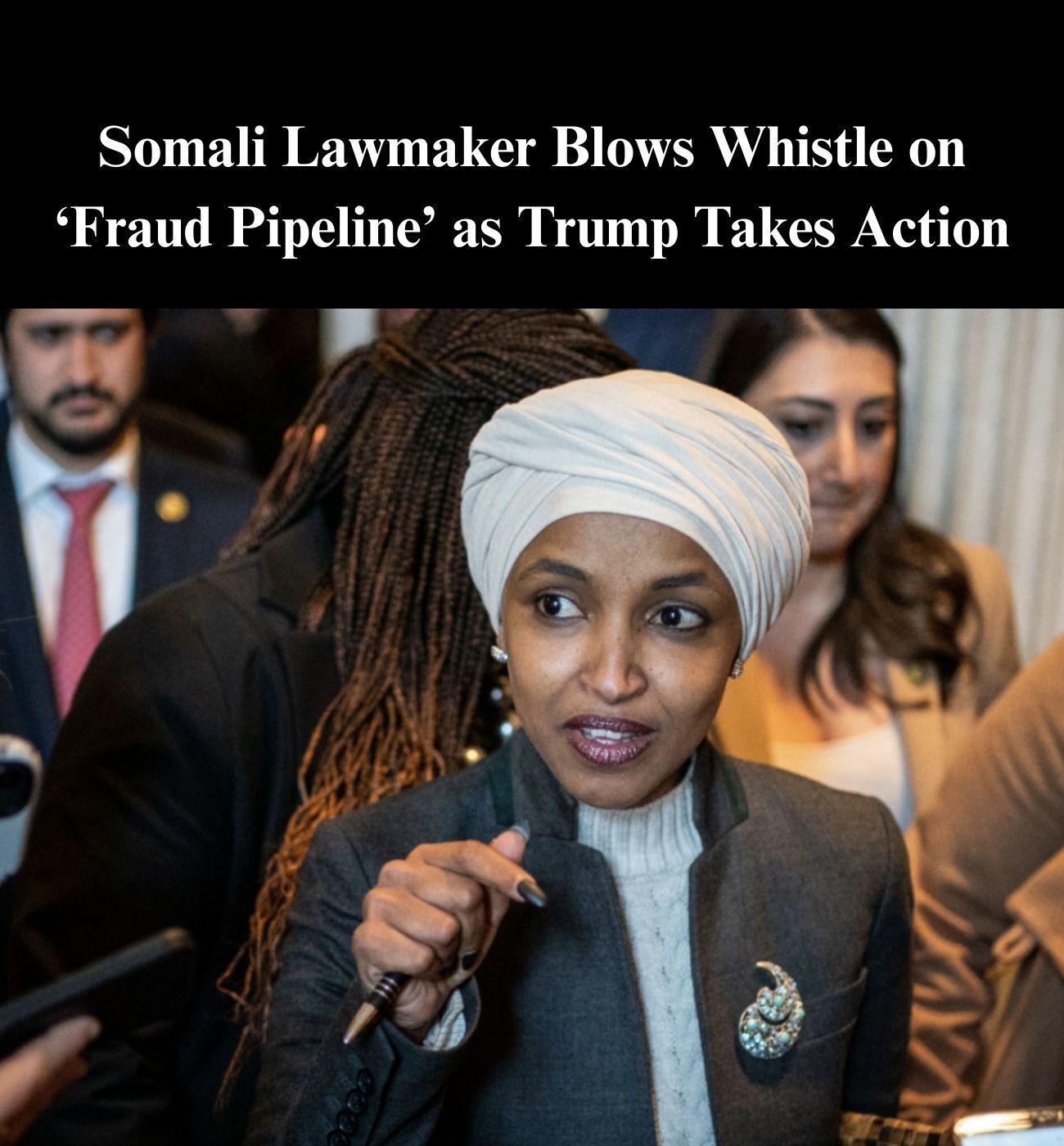
The controversy over alleged fraud involving Somali‑linked actors, amplified by a Somali lawmaker’s whistleblower claims and President Trump’s forceful actions, reflects the complex intersection of policy, enforcement, politics, and community identity.
Fraud — when it occurs — deserves investigation and prosecution based on evidence, not broad assumptions. At the same time, political rhetoric that casts entire groups as inherently culpable can deepen divisions and hinder constructive solutions.
As this story continues to unfold, thoughtful analysis and commitment to fair, evidence‑based policymaking will be essential to untangling political narratives from legitimate concerns about governance and public accountability.
ADVERTISEMENT
