ADVERTISEMENT
🧠 Doctors Warn Against Popping Pimples in the ‘Triangle of Death’ — Here’s What You Need to Know
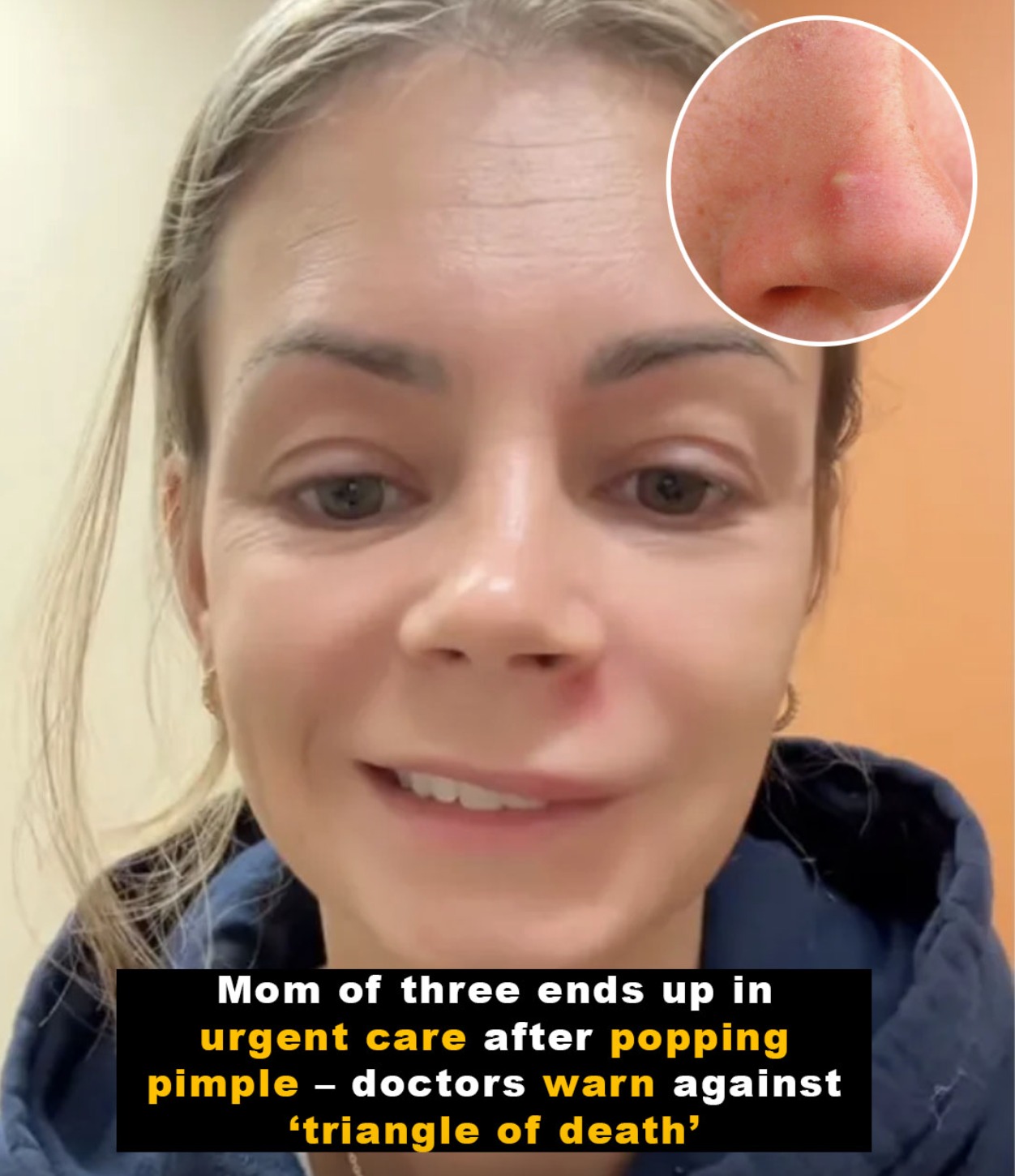
We’ve all faced that annoying, inflamed bump on our face — a pimple that seems to scream “Pop me!” Whether it’s stress, hormones, or leftover pizza, acne can strike at any time. And while most of us know that squeezing a pimple isn’t ideal, medical professionals are especially concerned about blemishes in one particular region of the face: the so‑called “triangle of death.”
📍 What Is the “Triangle of Death”?
The “triangle of death,” also referred to as the danger triangle of the face, is the area that spans from the bridge of your nose down to the corners of your mouth — forming an upside‑down triangular shape on your face.
This spot may look unremarkable, but beneath the skin lies a network of veins with a direct route to the brain. Unlike most veins in the body, many of the vessels here lack one‑way valves that normally prevent backward movement of blood. That means bacteria that enter these veins — say, from an infected pimple — potentially could travel backward toward the brain.
Behind the eyes and nose lies the cavernous sinus, a large, blood‑filled channel that is part of the venous drainage system of the brain. Infections that reach this structure can lead to a severe condition called cavernous sinus thrombosis — a clot and infection that can impact the brain and nervous system.
While the term “triangle of death” sounds dramatic — and maybe even a little clickbait‑y — the underlying anatomy does explain why doctors advise extra caution.
⚠️ Why Doctors Warn You Not to Pop Pimples There
🦠 1. Infection Can Spread More Easily
When you squeeze or pick at a pimple, you create a break in the skin and the potential for bacteria — including Staphylococcus and Streptococcus species — to be pushed deeper into tissues or directly into the bloodstream.
In most parts of your body, your immune system and the structure of blood flow help contain or neutralize this threat. But in the danger triangle, bacteria can use the venous pathways to make their way to the cavernous sinus — and from there, to the brain.
Septic cavernous sinus thrombosis
Brain abscesses
Meningitis
Damage to cranial nerves
Facial paralysis
Vision loss or stroke
These outcomes are rare — but possible. That’s why dermatologists and neurologists alike take this risk seriously.
The veins in the triangle of death are somewhat unique because they are valveless. In most veins, valves help keep blood flowing toward the heart, preventing it from moving backward. In the facial region, this protection is limited — meaning infection has a more direct route back to the central nervous system.
This unusual circulatory feature is what gives the danger triangle its reputation — and why doctors emphasize not picking at blemishes in this area.
Continue reading…
ADVERTISEMENT
