ADVERTISEMENT
🧠 3. Real But Extremely Rare Risks
It’s important to balance the warnings with perspective. Most people who pop pimples *— even in this area — will not experience catastrophic complications. Doctors agree that serious infections and life‑threatening consequences are very rare.
🧠 Real Cases That Made People Take Notice
Health professionals frequently say that dramatic outcomes are uncommon, but case reports and personal stories sometimes go viral online — contributing to public awareness and concern.
For example:
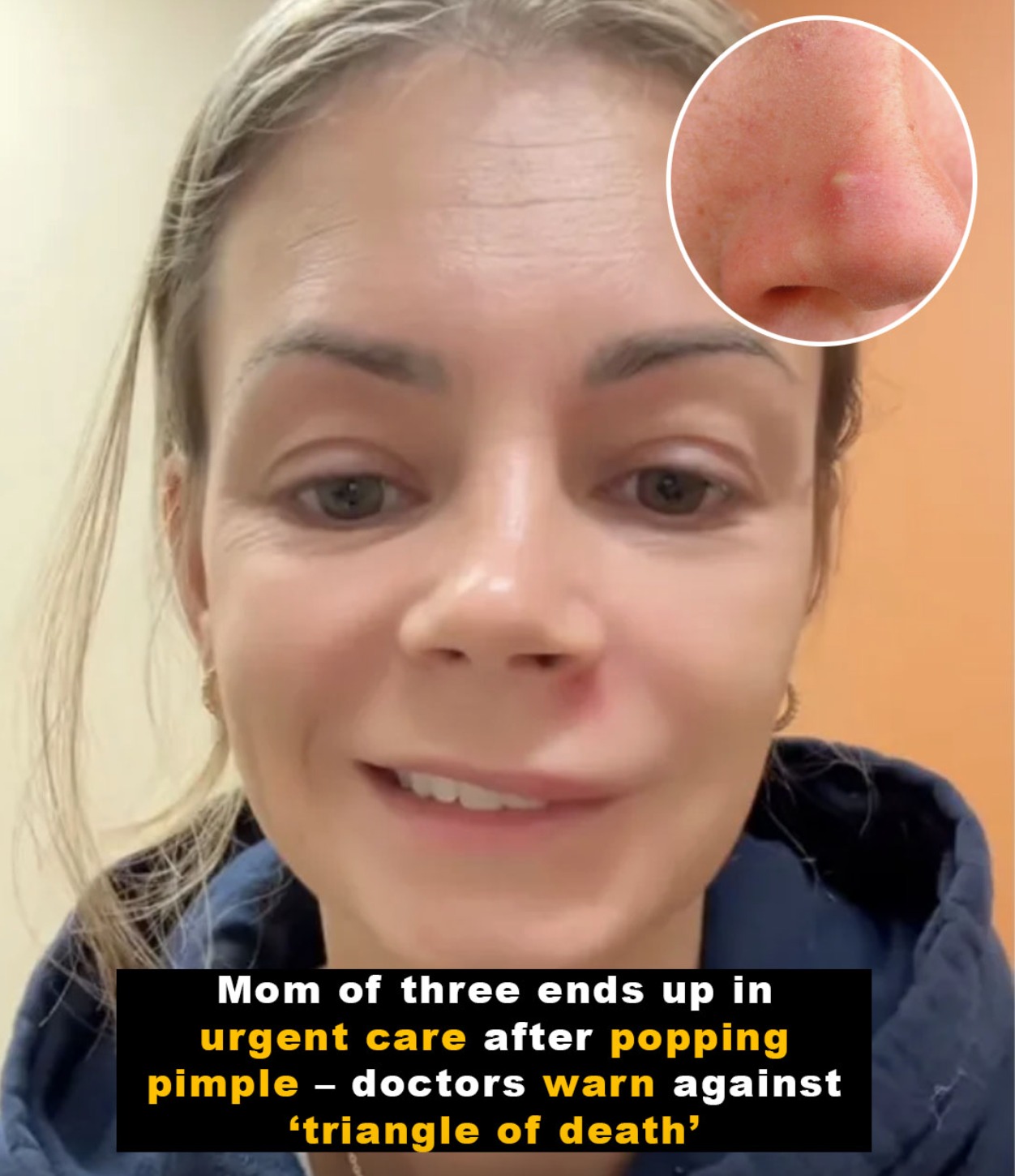
A person reported severe swelling and hospitalization after popping a pimple in this area. Upon medical evaluation, the infection had spread more aggressively than expected and required urgent treatment.
In other cases shared online, individuals described staph infections or extended redness and pain after squeezing a blemish that won’t seemingly quit.
Though rare, these stories highlight why medical professionals urge caution over casual pimple popping — especially in the perilous triangle zone.
💊 Why Dermatologists Say: Just Don’t Do It
Dermatologists — including well‑known experts — consistently recommend avoiding the urge to pick at pimples anywhere on your face, and especially in the danger triangle.
❗️1. Higher Risk of Infection
Any squeezing increases the risk of a secondary bacterial infection, which can progress deeper into tissues.
❗️2. Scarring and Discoloration
Even if a popped pimple heals, it can leave behind permanent scars or areas of hyperpigmentation — especially on sensitive facial skin.
❗️3. Spreading Inflammation
Popping pimples can push bacteria further into the skin, making inflammation worse and sometimes turning a mild breakout into a more painful lesion.
🧴 What to Do Instead of Popping
🧼 1. Keep It Clean
Wash your face twice daily with a gentle cleanser. This removes excess oil, dirt, and bacteria that contribute to acne.
🔥 2. Warm Compress
Applying a warm (not scalding) compress for 10–15 minutes can help draw the contents of a pimple closer to the surface, making it less inflamed and more likely to heal without intervention.
🩹 3. Hydrocolloid Patches
Overnight zit patches can help absorb pus and protect the area from bacteria and irritation — without squeezing.
💊 4. Topical Treatments
Products with salicylic acid, benzoyl peroxide, or retinoids can help treat acne at the source — without breaking the skin barrier.
👩⚕️ 5. Dermatologist Care
For painful, persistent, or cystic acne, a dermatologist can provide professional treatments — from sterile extractions to cortisone injections — that are far safer than DIY popping.
📉 Understanding the Real Risk
So let’s answer the biggest question: Can popping a pimple in the triangle of death actually kill you?
Technically — yes, there is a pathway by which a facial infection could spread to the brain and cause serious complications, including brain abscess, thrombosis, or meningitis.
However, doctors emphasize that such outcomes are extremely rare. Modern hygiene practices, antibiotics, and early medical care have made fatal cases highly uncommon.
But rare does not mean impossible. Even non‑fatal consequences — like nerve damage, vision issues, or prolonged hospitalization — are enough reason for professionals to advise against popping in that zone.
🧠 Balancing Awareness Without Panic
It’s easy to see dramatic headlines and feel alarmed. But here’s the key takeaway:
Don’t panic — most pimples won’t lead to life‑threatening infections, even in the triangle of death.
Use caution — respect the risk, even if it’s low, and avoid unnecessary trauma to your skin.
Treat pimples responsibly — through gentle skincare and professional guidance when needed.
By understanding both the anatomy and the realistic odds, you can approach acne with wisdom instead of fear.
🧴 Final Thoughts
The concept of the “triangle of death” might sound sensational, but it’s rooted in real anatomy and legitimate medical concern. While most pimple popping won’t result in catastrophic complications, the area between your nose and mouth has a direct connection to critical blood vessels leading toward the brain — and that’s why doctors strongly recommend leaving blemishes there alone.
Whether you’re dealing with a stubborn breakout or simply curious about skincare, this advice is worth remembering: don’t pop, pick, or probe — and treat your skin with the care it deserves.
Good skin health isn’t just about looks — it’s about protecting your overall well‑being too.
ADVERTISEMENT
