ADVERTISEMENT
Doctors Find a “Gold Mine” in a Woman’s Knees — Here’s What That Really Means
When doctors told a woman they had found a “gold mine” in her knees, the internet did what it always does: it ran wild.
But as with many viral medical stories, the truth is far more fascinating—and far more nuanced—than the clickbait makes it sound.
So what did doctors actually find in this woman’s knees? Why was it compared to gold? And what does it tell us about the human body, modern medicine, and how easily science can be misunderstood?
Let’s dig in.
The Discovery That Sparked the Headline
The story begins with a woman who sought medical care for persistent knee pain. Nothing unusual there—knee problems are one of the most common orthopedic complaints worldwide.
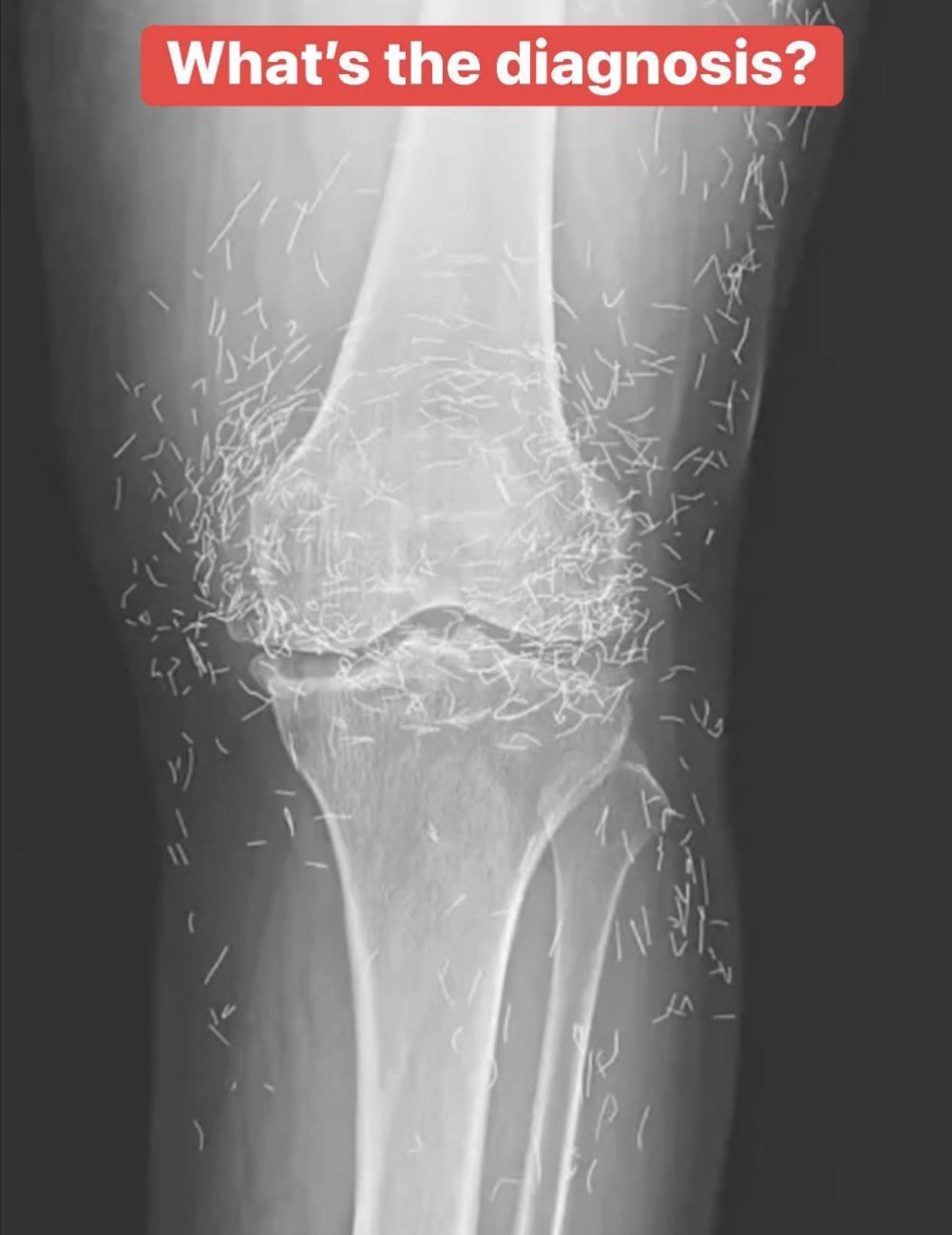
But imaging and lab tests revealed something unexpected: significant deposits of gold-related material inside her knee joints.
Not jewelry.
Not coins.
Not secret treasure.
What doctors found were microscopic particles associated with gold-based medical treatment, embedded in the tissues of her knees. Enough of it, in fact, that clinicians jokingly referred to the discovery as a “gold mine.”
Wait—Gold in the Human Body?
Yes. And no, it’s not as strange as it sounds.
Gold has been used in medicine for decades, particularly in the treatment of rheumatoid arthritis. Starting in the mid-20th century, doctors prescribed gold salts—a form of injectable or oral medication—to reduce inflammation and slow joint damage in patients with severe autoimmune arthritis.
This therapy, known as chrysotherapy, fell out of favor with the rise of newer drugs, but thousands of patients received it over many years.
In rare cases, gold from these treatments can accumulate in body tissues, including:
Continue reading…
ADVERTISEMENT
