ADVERTISEMENT
Is It Safe to Eat a Bruised Apple? How to Tell When Produce Is Too Far Gone
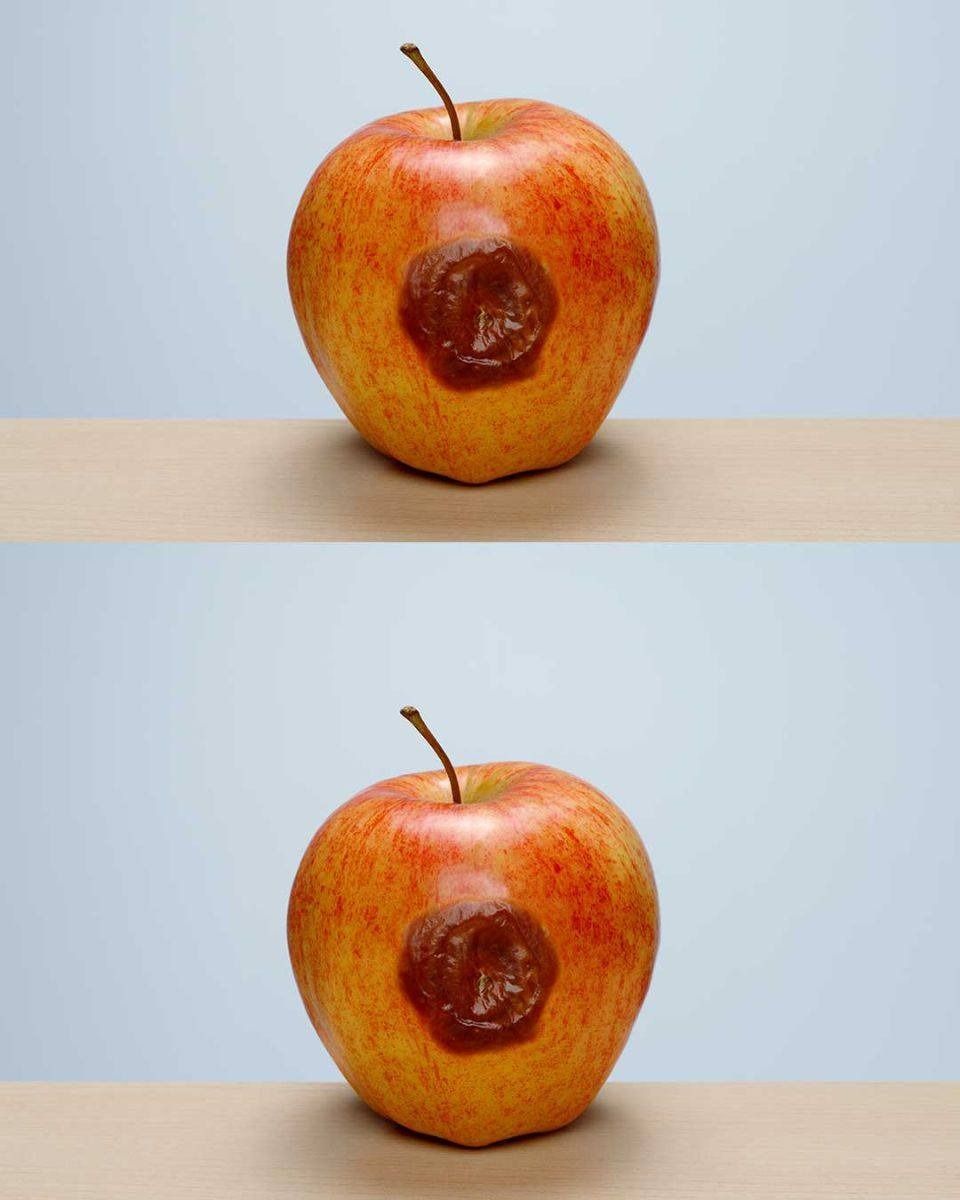
“My mother-in-law will eat an apple when it’s bruised like this. I don’t think it’s safe, but she disagrees.”
So who’s right?
The truth is more nuanced than either side usually admits. A bruised apple isn’t automatically unsafe—but it can become unsafe depending on what kind of damage it has, how old it is, and what else is going on beneath the skin.
Let’s break down what bruising really means, when it’s harmless, when it’s risky, and how to make a clear, confident call without turning it into a family argument.
What Is a Bruise in an Apple, Really?
When you see a brown or soft spot on an apple, you’re usually looking at cell damage, not decay.
Apples bruise when they’re dropped, squeezed, or bumped during harvesting, transport, or storage. The impact breaks cell walls inside the fruit. Once that happens:
Oxygen reacts with enzymes in the apple
The flesh turns brown (similar to a cut apple)
This type of browning is called enzymatic oxidation. On its own, it’s not dangerous. It’s a quality issue, not a safety issue.
So yes—a simple bruise does not automatically make an apple unsafe to eat.
That’s the part your mother-in-law is probably right about.
But that’s not the whole story.
When Bruising Becomes a Problem
Bruising creates weakened tissue, and weakened tissue is more vulnerable to things you don’t want to eat—like bacteria, yeast, and mold.
Here’s where the line between “ugly but fine” and “don’t eat that” starts to matter.
Continue reading…
ADVERTISEMENT
