ADVERTISEMENT
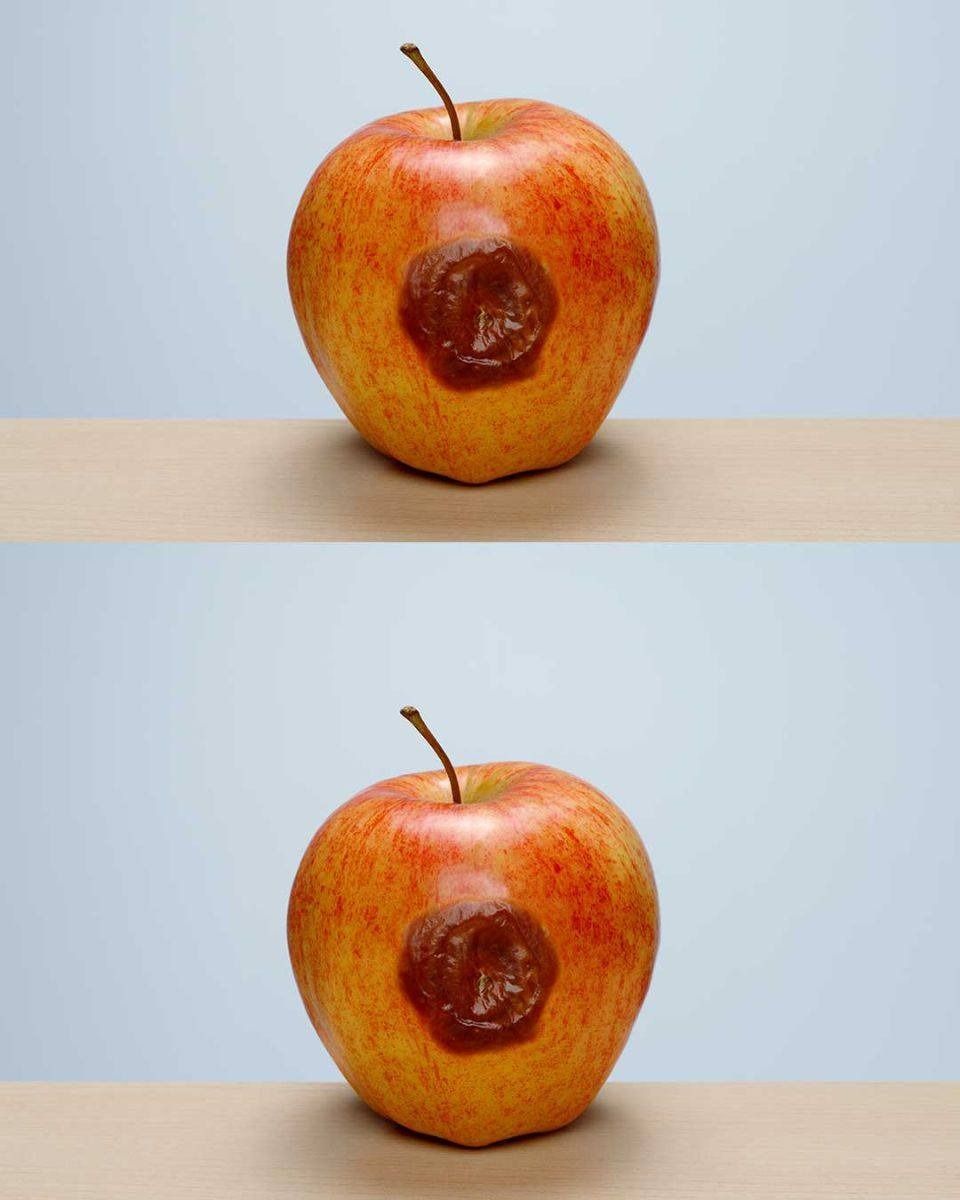
The apple’s skin is its main defense system. Once it’s punctured, torn, or split:
Bacteria from hands, surfaces, or the environment can enter
Cutting off the visible bad spot may not remove the contamination
If a bruise is accompanied by:
A crack
A puncture
A leaking or wet area
…it’s much riskier than a closed bruise under intact skin.
Rule of thumb:
A bruise under intact skin = usually okay.
A bruise with broken skin = treat with caution.
2. If It’s Soft, Mushy, or Spreading
Red flags include:
The spot feels mushy or slimy
The soft area is growing larger over time
The apple smells fermented, sour, or “off”
This can indicate internal breakdown or early rot, not just bruising. At this stage, microorganisms may already be at work.
If the apple feels like it’s collapsing from the inside, it’s time to let it go.
3. If There’s Mold—Even a Little
Mold on apples can appear as:
White, gray, blue, or green fuzzy patches
Dark circular spots with a powdery look
Growth around the stem or inside a crack
Unlike bruising, mold can produce mycotoxins, which may spread invisibly through the fruit. Cutting off the moldy part is not considered safe for firm fruits like apples, because:
Mold roots (hyphae) can extend deep into the flesh
Toxins can remain even where mold isn’t visible
If you see mold anywhere on the apple, the safest move is to discard the whole thing.
The Gray Area: “Just Cut Around It”
This is where most disagreements happen.
For firm fruits like apples, food safety experts generally agree:
You can cut away a bruise if:
The skin is intact
There is no mold
The flesh smells normal
You remove at least ½–1 inch around the damaged area
After trimming, the remaining apple should be:
Firm
Fresh-smelling
Normal in color and texture
If you’re cooking the apple (baking, stewing, making applesauce), trimming bruises is even more acceptable because heat reduces microbial risk—though it won’t neutralize mold toxins if mold is present.
Why Older Generations Are More Relaxed About Bruises
If your mother-in-law shrugs and eats the apple anyway, there’s context behind that.
Many people grew up:
With less food abundance
With stronger pressure not to waste food
Eating produce straight from gardens or orchards
They learned—often correctly—that cosmetic damage doesn’t equal danger.
And to be fair, humans have eaten bruised fruit for centuries without dropping dead.
But modern food safety knowledge has evolved. We now better understand:
How bacteria spread internally
How mold toxins behave
How long produce may have traveled before reaching the kitchen
So this isn’t about someone being “wrong.” It’s about different risk tolerances based on different life experiences.
How to Tell if an Apple Is Too Bruised to Eat: A Simple Checklist
When you’re standing in the kitchen wondering whether to eat it or toss it, ask:
Is the skin intact?
Yes → continue
No → higher risk
Is there any mold at all?
Yes → discard
No → continue
Does it smell fresh?
Sour, alcoholic, or musty smells → discard
Is the flesh firm beyond the bruise?
Mushy throughout → discard
Firm after trimming → likely fine
Am I serving this to someone vulnerable?
(Pregnant people, elderly, young children, immunocompromised individuals should be more cautious.)
If multiple answers raise concern, trust that instinct.
So… Is Your Mother-in-Law Wrong?
Probably not completely.
Eating a lightly bruised apple with intact skin is generally safe for a healthy adult. But your hesitation isn’t irrational either—especially if the bruise is deep, soft, broken, or old.
Food safety isn’t binary. It’s a sliding scale of risk.
How to Talk About It Without Starting a Fight
If you want to express concern without sounding accusatory, focus on your comfort level, not her habits.
Instead of:
“That’s not safe.”
Try:
“I’ve read that broken skin can let bacteria in, so I’m extra cautious.”
“I don’t mind bruises, but once it gets soft like that, I usually pass.”
“I’m probably overcautious, but mold freaks me out.”
You’re not declaring her wrong—you’re explaining your boundary.
And if she still eats it? That’s her call.
ADVERTISEMENT
