ADVERTISEMENT
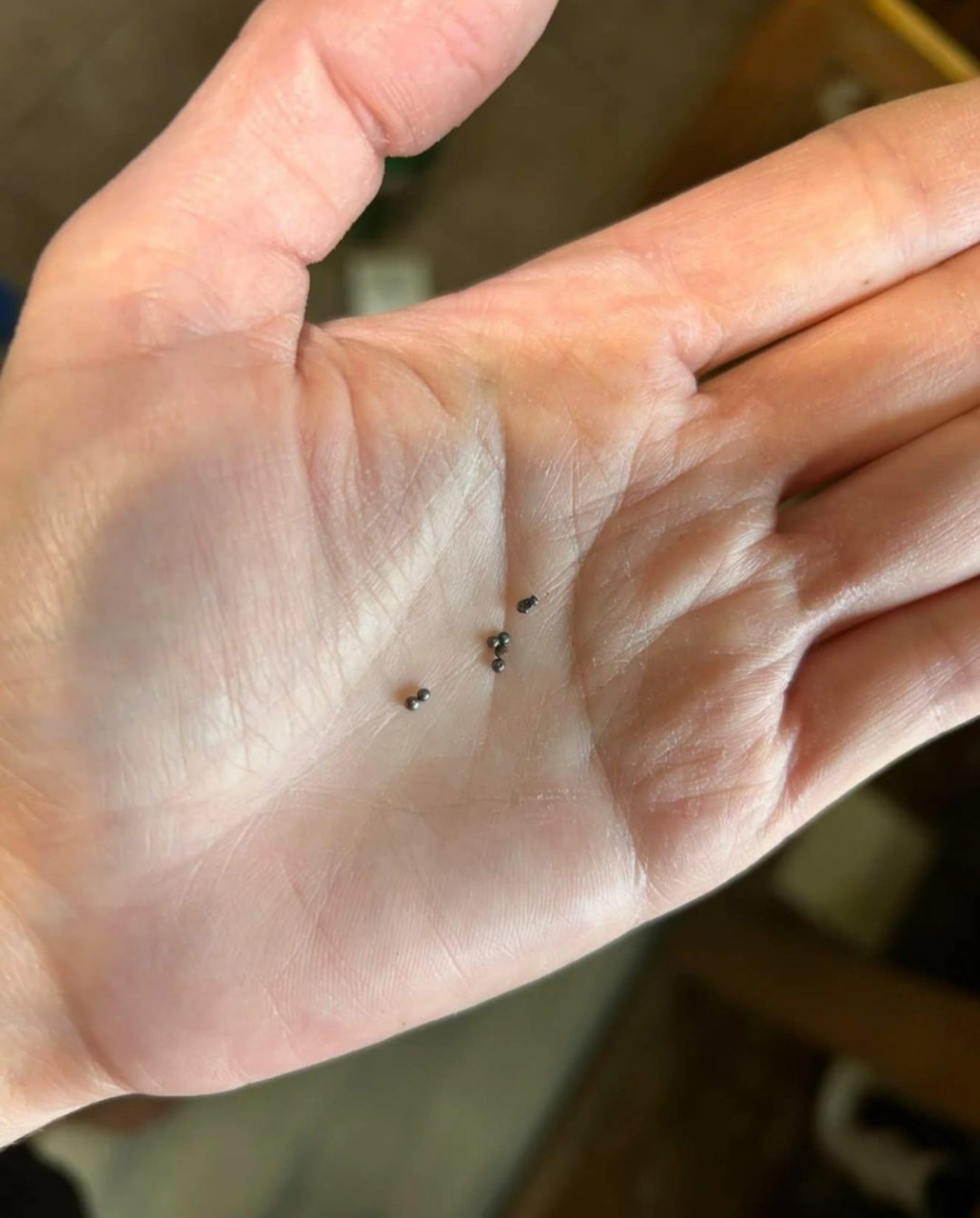
🔍 Found Metal Balls Under Your Kitchen Sink? Here’s What They Mean
You open the cabinet under your kitchen sink—maybe to grab a cleaning spray, maybe to deal with a drip—and there they are: small metal balls, loose or tucked into a corner, with no obvious explanation. They don’t look like screws. They’re not marbles. They don’t seem broken off from anything you recognize.
If you’ve ever found mysterious metal balls under your sink and wondered whether you should be concerned, you’re not alone. This is a surprisingly common discovery, and while the answer is usually harmless, it can reveal something interesting—or important—about your plumbing, appliances, or even your home’s past.
Let’s break down what those metal balls are most likely to be, where they come from, and when (if ever) you should worry.
First Things First: Don’t Panic
Before jumping to worst-case scenarios, take a breath. In the vast majority of homes, finding metal balls under the sink is not a sign of danger, sabotage, or structural failure.
Most explanations fall into one of three categories:
Plumbing or hardware components
Leftovers from installation or repairs
Everyday items that migrated over time
The Most Common Explanation: Ball Bearings
The number-one culprit? Ball bearings.
Ball bearings are small, hardened metal spheres designed to reduce friction in moving parts. They’re used everywhere—from bicycles and drawer slides to cabinet hinges, faucets, and pull-out trash systems.
Why would ball bearings end up under your sink?
Under-sink cabinets often house:
Pull-out drawers or shelves
Sliding trash or recycling bins
Old or inexpensive drawer slides
If one of these mechanisms wears out or breaks, ball bearings can spill out and roll into the cabinet floor—where they sit unnoticed until you spot them.
Clue it’s ball bearings:
Smooth, shiny metal
Uniform size
Often found in small groups
Nothing else appears damaged… yet
If you’ve noticed drawers sticking, wobbling, or grinding lately, this explanation becomes even more likely.
Faucet and Plumbing Hardware: The Hidden Source
Another common source of metal balls is faucet assemblies.
Some older or specialized faucets use small metal balls as part of:
Continue reading…
ADVERTISEMENT
