ADVERTISEMENT
Flow control mechanisms
Valve systems
If a faucet has been repaired in the past, a plumber may have removed parts and accidentally dropped or left behind components under the sink.
Important distinction:
If the faucet is working normally and the balls are loose under the cabinet—not inside a pipe—you’re likely seeing discarded or spare parts, not active plumbing components.
However, if you’re experiencing:
Leaks
Irregular water pressure
Difficulty switching between spray and stream
…it’s worth having the faucet checked, especially if the balls appear worn or corroded.
Under-sink spaces are often crowded with appliances—and those appliances have moving parts.
Garbage Disposals
Some garbage disposal models contain internal components that include metal bearings. While it’s uncommon for these to escape intact, older or failing units can shed parts during breakdowns or improper removal.
If your disposal has:
Been replaced recently
Made loud grinding noises
Seized or jammed in the past
Dishwashers
Dishwashers usually don’t shed metal balls directly into cabinets, but if the unit was installed or removed improperly, hardware from mounting brackets or rollers may have been dropped and forgotten.
The Installation Leftovers Nobody Talks About
Here’s a surprisingly boring—but very common—truth: contractors and installers leave things behind.
During cabinet, sink, or appliance installation, workers often carry:
Loose hardware
Spare components
Replacement parts
If something isn’t needed, it sometimes gets set aside “temporarily” and never retrieved. Under-sink cabinets are prime hiding places because they’re out of sight and rarely inspected closely.
This is especially likely if:
You moved into a newly built or renovated home
The kitchen was remodeled by a previous owner
You recently replaced cabinets, sinks, or plumbing
In these cases, the metal balls may have never belonged to your current setup at all.
Could They Be From Cabinet Hinges or Drawer Slides?
Absolutely.
Modern soft-close hinges and slides are complex mechanical systems. When they fail—often due to overloading or age—they can eject internal components.
Signs to check:
Doors no longer close smoothly
Drawers feel loose or crooked
You hear rattling when opening cabinets
If you find metal balls and notice declining cabinet performance, you’ve probably identified the source.
The fix may be as simple as replacing a drawer slide—or as minor as tightening hardware.
Less Common (But Interesting) Explanations
While rare, these possibilities do happen.
Old Pest Deterrents
In some older homes, homeowners placed metal objects under sinks to deter rodents. While not particularly effective, the practice existed—especially before modern traps and repellents.
Cleaning or Utility Weights
Some cleaning tools, drain stoppers, or sink accessories include small metal weights that can detach over time.
Previous Owner “Fixes”
DIY repairs sometimes involve unconventional solutions. Metal balls may have been used as makeshift spacers, weights, or balancing elements and later forgotten.
When You Should Be Concerned
Most of the time, metal balls under the sink are harmless. But there are a few scenarios where you should investigate further.
🚨 Red Flags
The balls are rusty, cracked, or irregular
You keep finding new ones over time
Plumbing performance has changed suddenly
You hear grinding or scraping noises
There’s visible damage to pipes, valves, or appliances
If metal balls are actively falling out of something, that “something” is failing—and it’s better to address it sooner rather than later.
What You Should Do Next
If you’ve found metal balls under your sink, here’s a simple step-by-step approach:
1. Inspect Nearby Hardware
Open and close drawers, cabinet doors, and pull-outs. Listen and feel for rough movement.
2. Check Appliances
Run your garbage disposal briefly. Turn the faucet on and off. Look for leaks or odd behavior.
3. Count and Contain
Place the balls in a small container or bag. If more appear later, you’ll know something is still shedding parts.
4. Photograph and Ask
If unsure, take a photo and show it to:
A plumber
A hardware store associate
An appliance technician
They can often identify the source immediately.
5. Don’t Put Them Back “Just in Case”
Loose metal balls don’t belong inside active plumbing or mechanical systems unless you know exactly where they go.
Why This Mystery Is So Common
Under-sink cabinets are the junk drawers of the mechanical world. They collect:
Repairs from multiple decades
Parts from different owners
Layers of forgotten fixes
Because we rarely look closely under there, these small clues can sit unnoticed for years—until curiosity (or a leak) brings them to light.
The Bigger Lesson: Pay Attention to Small Clues
Finding metal balls under your sink is usually minor—but it’s also a reminder that homes constantly communicate through small signs.
A loose part, a strange sound, or an unexplained object can tell you:
What’s aging
What’s been modified
What may need attention soon
You don’t need to panic—but you also don’t need to ignore it.
Final Thoughts: Mystery Solved (Most of the Time)
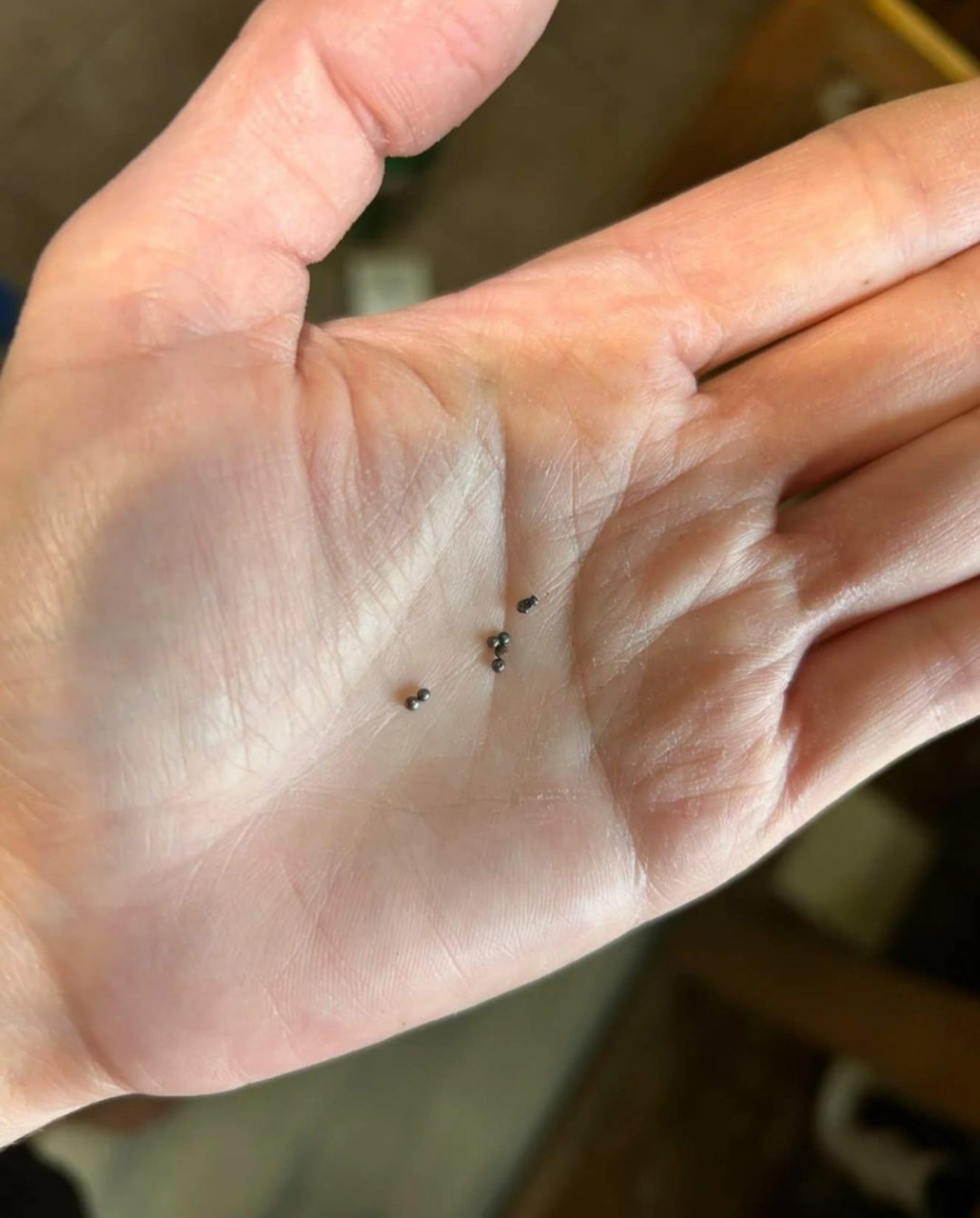
So, what do those metal balls under your kitchen sink mean?
Most likely:
Ball bearings from drawer slides or cabinet hardware
Leftover parts from installation or repair
Discarded faucet or appliance components
In rare cases, they’re a sign of wear that deserves attention—but even then, the fix is usually straightforward.
The next time you spot something strange under the sink, don’t just shove it aside. Take a moment to investigate. Your home is full of quiet hints—and this one just happened to roll into view.
ADVERTISEMENT
