ADVERTISEMENT
4. UV Exposure and Fabric Damage
Sunlight contains ultraviolet (UV) radiation, which is often cited as a reason for outdoor drying. While UV rays can help disinfect to some degree, prolonged exposure can damage fabrics:
Fiber weakening: Natural fibers like cotton or wool may become brittle and less durable.
Elastic deterioration: Modern fabrics with elastane or synthetic blends can lose elasticity faster under direct sunlight.
Over time, repeated outdoor drying can significantly shorten the lifespan of clothing, leading to more frequent replacements, which paradoxically increases environmental impact.
5. Environmental Contaminants from Nearby Sources
Even if the air looks clean, hidden sources of contaminants may settle on laundry:
Vehicle exhaust: Proximity to busy roads exposes clothes to soot, heavy metals, and petroleum residues.
Industrial emissions: Factories, construction sites, and power plants release chemicals that settle on surfaces.
Bird droppings and insects: Clotheslines attract birds and insects, which can leave harmful residues.
6. Weather Risks and Moisture Retention
Outdoor drying is at the mercy of weather conditions:
Rain or sudden storms: Even light rain can re-soil clothes or introduce dirt.
High humidity: Clothes may take longer to dry, increasing bacterial or mold growth.
Wind-blown dust: Dust and sand particles can accumulate on fabrics, leaving them gritty and unhygienic.
While sunny days seem ideal, sudden environmental changes can undo hours of effort and reduce hygiene standards.
7. Safety and Theft Concerns
Theft: Clothes, especially expensive garments or linens, can be stolen from open-air drying spaces.
Accidental damage: Strong winds or storms can tear fabrics or dislodge pegs.
Contamination from neighbors: Shared outdoor spaces may allow other people’s dust, pollutants, or animals to contaminate your laundry.
These risks, while sometimes overlooked, make outdoor drying less convenient and secure than it may appear.
8. Environmental Irony: Outdoor Drying Isn’t Always Eco-Friendly
It’s commonly assumed that drying clothes outside is greener than using a dryer. However, if clothes must be rewashed due to contamination from pollutants, dust, or microbial growth, the environmental impact may increase:
Extra water use
Additional detergent
More energy for subsequent drying
In polluted urban areas, indoor drying with air circulation or a drying rack may actually reduce the cumulative environmental footprint.
9. Indoor Drying Alternatives
Fortunately, indoor drying can be hygienic, efficient, and fabric-friendly if done correctly:
Clothes drying racks: Foldable racks allow air circulation without relying on outdoor conditions.
Dehumidifiers or fans: Accelerate drying in small spaces, reducing microbial growth.
Laundry rooms with ventilation: Proper airflow and moderate heating prevent mold or musty odors.
Tumble dryers with low heat settings: Modern dryers reduce UV damage and can incorporate heat or moisture sensors for efficiency.
Indoor drying also reduces exposure to allergens, air pollutants, and environmental contaminants while extending clothing lifespan.
10. Best Practices for Safe Outdoor Drying
If outdoor drying is unavoidable or preferred, certain practices can reduce risks:
Choose clean, low-pollution areas: Avoid roadsides or industrial zones.
Dry during low pollen seasons: Avoid spring or early summer if allergies are a concern.
Use shaded areas: Prevent direct UV damage while allowing airflow.
Limit exposure time: Don’t leave clothes out for hours longer than necessary.
Shake clothes before bringing them inside: Removes dust or loose particles.
Even with precautions, indoor drying remains the safest option for health-conscious households.
11. Myths About Outdoor Drying Debunked
Many people cling to outdoor drying for perceived benefits. Let’s address some common myths:
“Sunlight kills all germs”: UV rays can reduce some bacteria, but many pathogens survive, especially in humid conditions.
“Outdoor air is always cleaner”: Urban air contains invisible pollutants that settle on fabrics.
“Clothes smell fresher outside”: While it may feel fresh, the smell often comes from chemical reactions in polluted air, not true cleanliness.
Being aware of these misconceptions allows households to make informed choices about laundry practices.
12. Special Considerations for Sensitive Groups
Certain populations are particularly at risk when drying clothes outside:
Infants and young children: More susceptible to allergens and microbial exposure.
People with respiratory conditions: Asthma and chronic bronchitis sufferers may experience flare-ups from dust or pollution.
Immunocompromised individuals: Exposure to bacteria or mold can increase illness risk.
For these groups, indoor drying is strongly recommended.
13. Economic Considerations
Some households choose outdoor drying to save on electricity. However, factoring in:
Rewashing contaminated clothes
Replacing UV-damaged fabrics
Health costs from allergy or respiratory flare-ups
…may offset the financial benefits. Using energy-efficient dryers or indoor drying racks can be more cost-effective in the long term.
14. The Future of Laundry Practices
As urbanization and pollution continue, the traditional practice of hanging clothes outside is becoming increasingly risky. Laundry practices must evolve with:
Smarter indoor drying solutions
Allergen-free air systems
Fabric-friendly, low-energy appliances
Education on air pollution and textile hygiene
Adapting to modern realities ensures both health and sustainability.
15. Final Thoughts
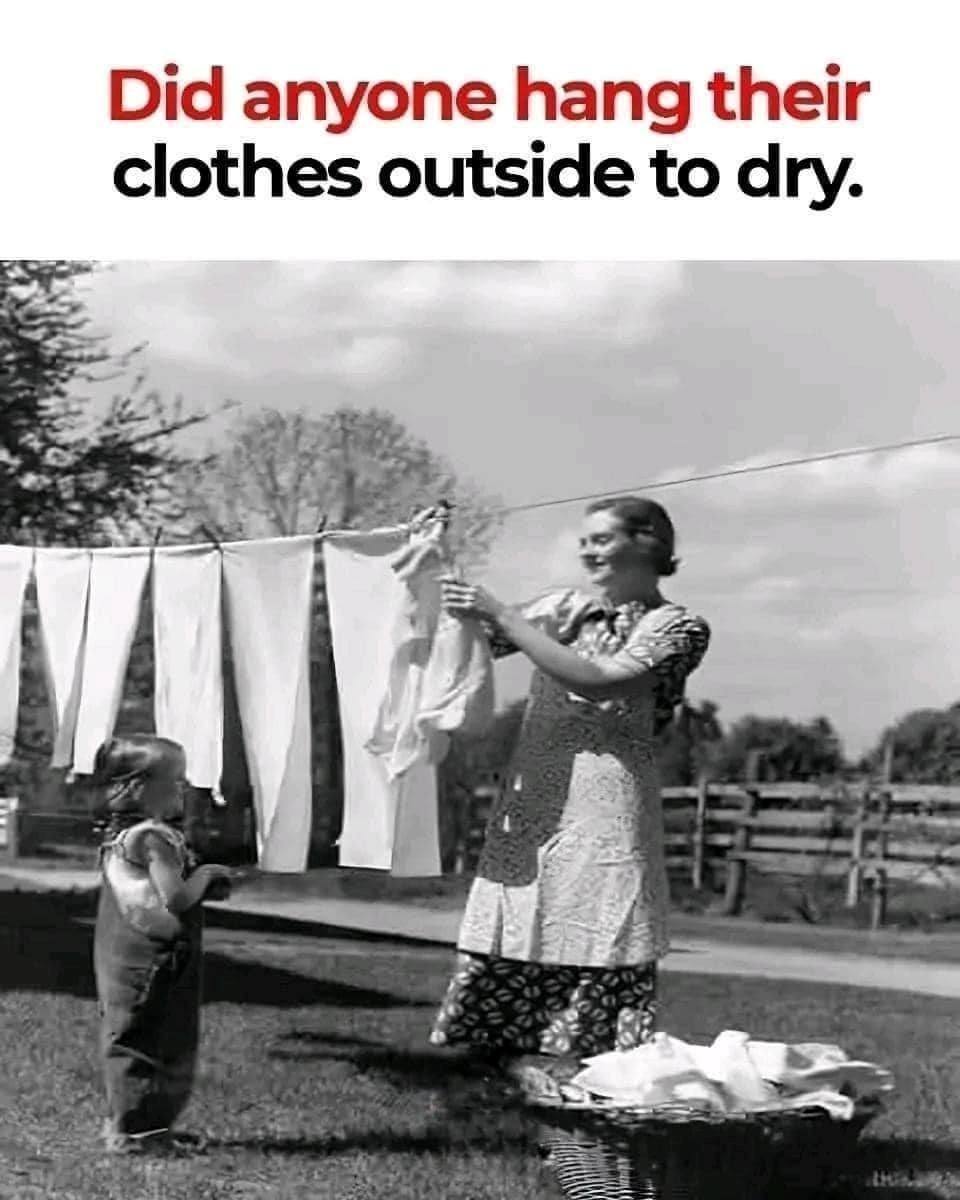
Hanging clothes outside may seem natural, nostalgic, or environmentally friendly—but it comes with hidden risks. From pollution and allergens to microbial contamination and UV damage, outdoor drying can compromise both clothing longevity and personal health.
In today’s urbanized, polluted, and allergy-prone world, indoor drying provides a safer, more controlled alternative. With proper ventilation, drying racks, or energy-efficient appliances, households can maintain clean, fresh-smelling clothes without exposure to harmful contaminants.
Tradition is valuable—but when it conflicts with health, hygiene, and clothing preservation, modern alternatives often make more sense.
Drying clothes safely isn’t just a chore—it’s a small but meaningful step toward a cleaner, healthier, and more sustainable lifestyle.
ADVERTISEMENT
