ADVERTISEMENT
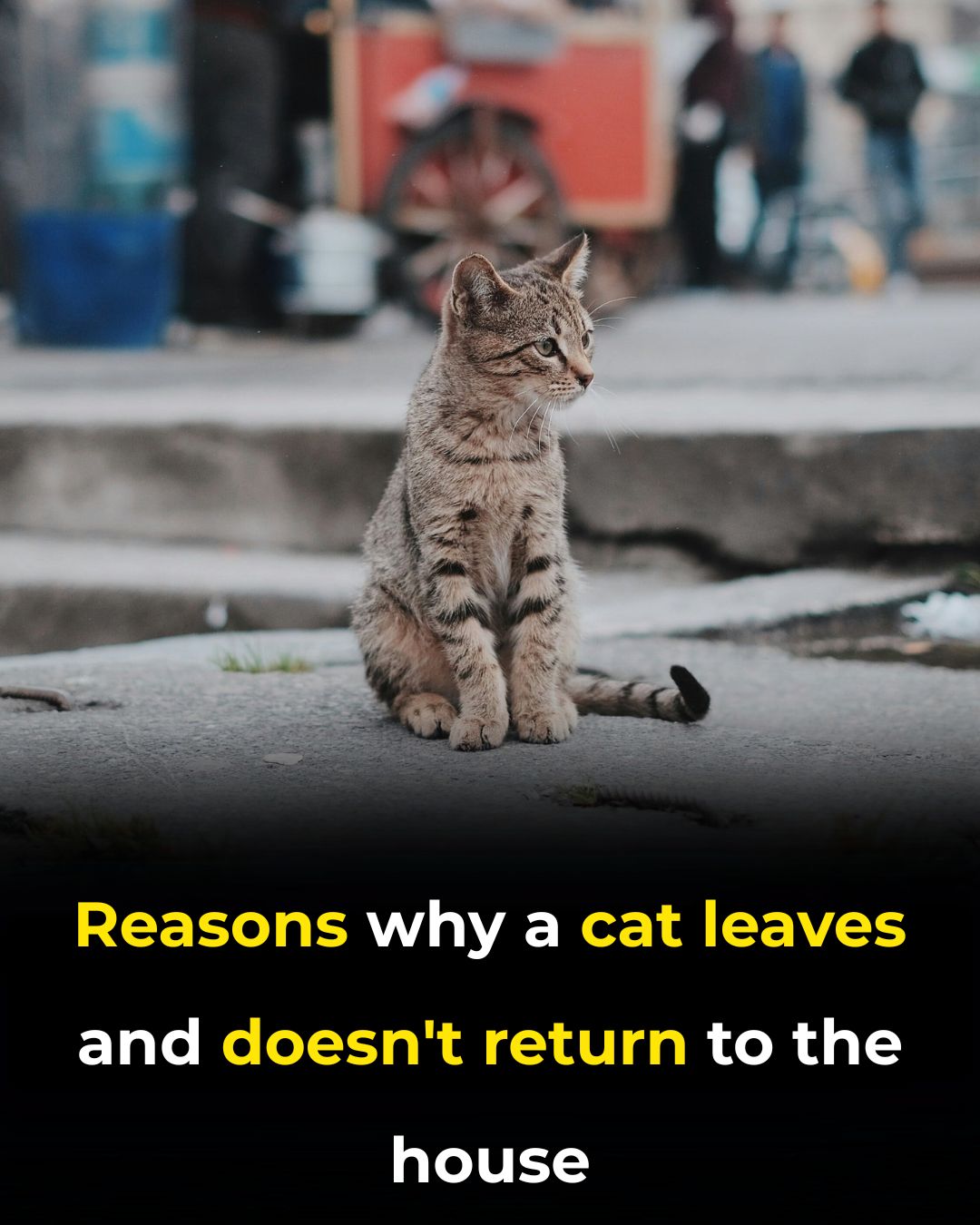
Why Cats Leave Home and Don’t Return
Few things are more painful for a cat owner than the silence that follows a missing pet. The empty food bowl. The untouched favorite sleeping spot. The hope that fades a little each time the door opens and it isn’t them.
The truth is far more complex—and far kinder—than many people fear.
Cats don’t leave home casually. And when they don’t come back, it’s rarely because they stopped loving the people they lived with.
Understanding why cats disappear requires us to look at their instincts, their biology, and the invisible pressures of the world they navigate.
Cats Are Not Small Dogs
One of the biggest misunderstandings about cats is assuming they experience the world the same way dogs do.
Dogs are pack-oriented. Their sense of safety and belonging is tightly tied to people and places. Cats, on the other hand, are both social and fiercely independent. They evolved as solitary hunters, relying on territory rather than hierarchy.
For a cat, home isn’t just a building—it’s a carefully mapped territory of smells, routes, shelters, and resources. When that territory feels threatened or altered, their response may be to leave rather than confront.
This doesn’t mean they don’t bond deeply with humans. It means their survival instincts sometimes override their attachment.
Cats naturally patrol and expand their territory over time. Outdoor and indoor-outdoor cats especially may gradually roam farther from home, testing boundaries and exploring new spaces.
Sometimes, this exploration goes wrong.
Continue reading…
ADVERTISEMENT
