ADVERTISEMENT
Canada’s certification has been delayed, in part due to technical issues — such as how de‑icing systems meet Canadian requirements — leading to only temporary approvals in the U.S., not full certification, which Canada typically demands be completed to its standards.
Trump’s critics — including aviation experts and industry analysts — argue that certification decisions should be made on safety and technical merit, not under economic or political pressure. One industry figure noted that using regulatory certification as a bargaining chip could undermine global aviation safety norms.
On the Canadian side, regulators and politicians have responded coolly to Trump’s threats. Transport Minister Steven MacKinnon stressed that Canada would not interfere with the independent certification process in order to appease U.S. demands, maintaining that aircraft safety assessments should remain untouched by political disputes.
MacKinnon emphasized Canada’s long history of cooperation with the FAA and stressed that recent communications with manufacturers were already helping to clear up any misunderstandings — but that neither Ottawa nor regulators would allow certification decisions to be controlled by external political pressure.
This stance demonstrates a key tension: while the United States seeks faster approval of American jets, Canada insists that all aircraft must meet its regulatory requirements, regardless of market or political pressure.
Economic Stakes for Bombardier and the Aerospace Industry
The threat to impose a 50% tariff — or effectively ban Canadian aircraft from U.S. service — carries serious economic implications.
Major Canadian aerospace companies like Bombardier Inc. employ thousands of workers in both Canada and the U.S. Aviation analyst groups warn that a big tariff could disrupt aircraft sales and aftermarket support and depress the value of existing planes, because tariffs increase prices and deter fleet purchases.
After Trump’s statement, Bombardier’s share price reportedly slid by about 7% in a single trading session, and traders said it reflected investor anxiety over the potential for tariffs and regulatory retaliation.
Aircraft built in Canada aren’t limited to business jets like the Bombardier Global Express — the industry also includes regional airliners, turboprops, and helicopters. Many U.S. flights rely on Canadian‑built planes, meaning tariffs or decertification could impact regional airlines, private owners, and service providers across North America.
The tariff threat also comes at a sensitive time in U.S.–Canada diplomatic relations, which have recently seen tension over a number of trade and geopolitical issues.
Canada’s Prime Minister Mark Carney has, in recent months, offered criticism of some U.S. trade tactics on the global stage — including at forums like Davos — which some U.S. officials have interpreted as a challenge to American economic leadership. Trump’s statement over aircraft certification followed shortly after such exchanges, making it clear that trade battles between the neighbors extend beyond simple tariffs to the heart of regulatory practice and national pride.
The Canadian government — while not directly responding in kind to Trump’s tariff threat — has signaled that it intends to pursue cooperative aviation relations with the U.S. and uphold safety‑based certification, rather than rush approvals under duress. This response reflects Ottawa’s attempt to balance economic cooperation with regulatory independence.
Industry and Political Reactions in the U.S.
In the United States, the threat has sparked mixed reactions:
Some Republican lawmakers and industrial supporters back Trump’s tough stance, framing it as protecting American jobs and aerospace leadership. They argue that Canada’s delays in certifying Gulfstream jets amount to unfair barriers to U.S. exports.
Others, including some in the FAA and business communities, warn that mixing aircraft safety certification with trade disputes sets a dangerous precedent. Aviation safety regulators historically ground or bar planes only for safety reasons; using trade grievances to justify airplane bans could undermine industry confidence.
Potential Impact on North American Trade and Aviation
If Trump’s threats were to be enacted — meaning tariffs go into effect and certification disputes remain unresolved — the repercussions would likely go far beyond the aerospace sector:
1. Aviation Supply Chains
Canadian and American aerospace supply chains are deeply intertwined. Bombardier and Gulfstream source components from shared suppliers in both countries, and many parts cross the border multiple times during assembly. Tariffs or decertification could disrupt production and raise costs for manufacturers and airlines alike.
2. Airline Operations
Regional airlines that rely on Canadian‑manufactured aircraft — such as certain Bombardier models — could face higher operating costs or aircraft shortages if tariffs or registration issues arise.
3. Trade Relations
Tariffs — especially punitive ones like 50% on a major export category — have the potential to escalate into broader trade retaliation, prompting Canada to impose its own tariffs or challenge the measures through international trade bodies like the World Trade Organization.
4. Regulatory Precedent
Using aircraft certification — a fundamentally safety‑oriented process — as leverage in trade negotiations could set a globally unsettling precedent. Other countries might follow suit, demanding certifications or regulatory actions in exchange for economic concessions — a move that erodes trust in internationally accepted aviation safety systems.
Where Things Stand Now
As of early February 2026:
Canada’s Transport Minister has reiterated that he will not interfere with the independent certification process, underscoring the importance of safety norms and longstanding cooperation with the FAA.
U.S. officials emphasize a desire for “level playing field” treatment for Gulfstream jets, but have not detailed how tariffs would be implemented or when they might go into force — leaving industry and diplomatic observers uncertain.
Aviation experts continue to caution that aircraft regulatory decisions should remain technical, not political, and that economic weaponization of certification could harm both countries’ aerospace sectors.
Conclusion: A Trade Dispute That Could Reshape Aviation Norms
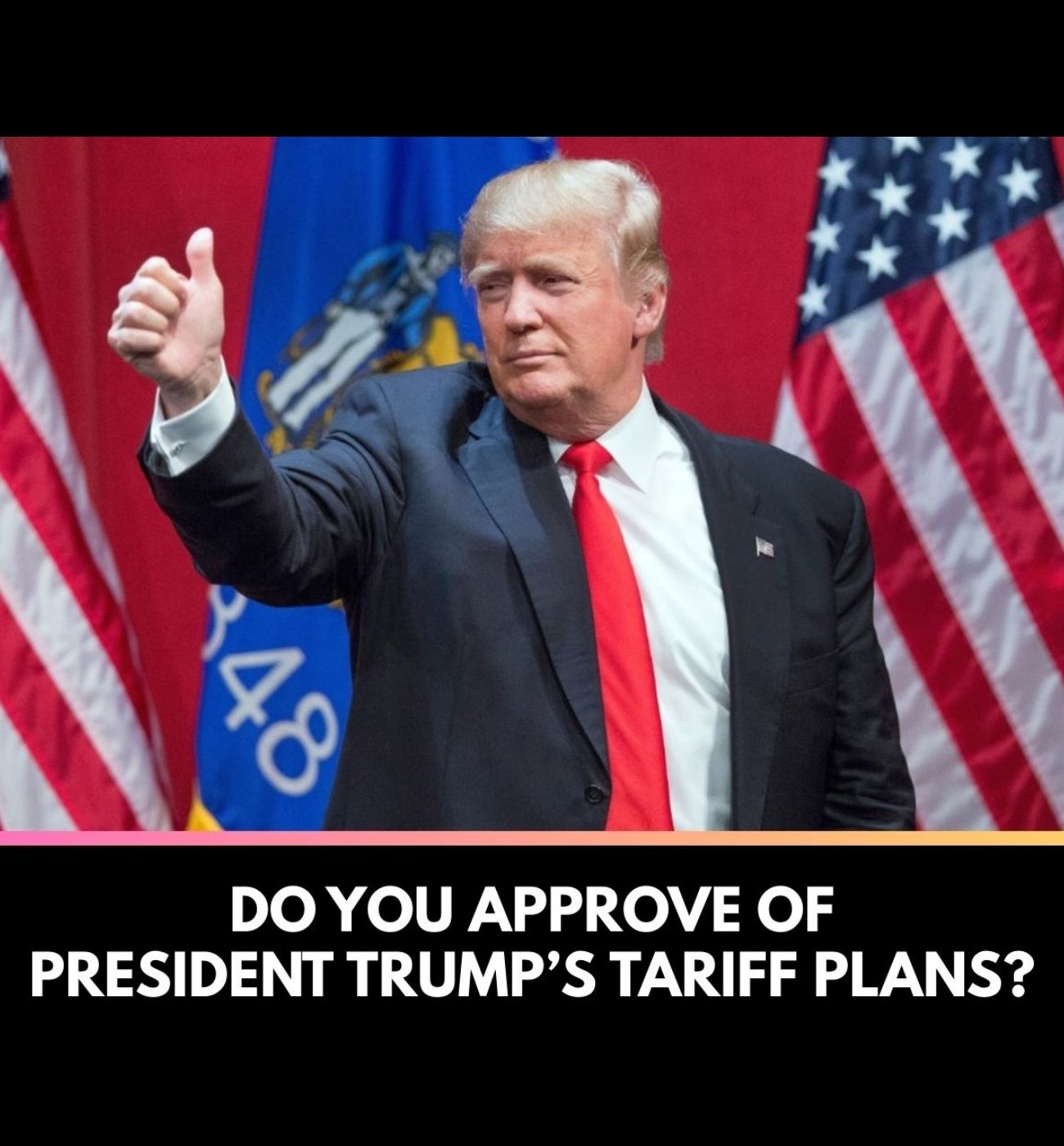
President Trump’s 50% tariff threat over Canadian aircraft — tied to Ottawa’s reluctance to expedite certification of American Gulfstream jets — stands out as one of the most unusual and contentious trade actions in recent U.S.–Canada relations. While motivations may include protecting U.S. aerospace manufacturing, the approach has alarmed industry insiders, rattled investors, and placed regulators in the uncomfortable position of balancing safety standards with geopolitical pressure.
Whether this dispute ultimately results in tariffs, regulatory changes, or a negotiated compromise, its reverberations are already being felt across North America’s aerospace industry and international trade community. The outcome could influence future trade policy, cross‑border cooperation in aviation, and how countries manage regulatory sovereignty in an increasingly interconnected industrial world.
In the weeks and months ahead, all eyes will be on Ottawa and Washington — not just their trade negotiators, but their aviation regulators — as they navigate a dispute that mixes jets, tariffs, and geopolitics in an unprecedented way.
ADVERTISEMENT
