ADVERTISEMENT
Critics — including Georgia Democrats and election officials — view the raid as a politically motivated act that undermines confidence in election systems and could intimidate local election workers. Voices from civil-rights organizations and state leaders called the action a “dangerous escalation” with democratic implications.
Legal experts raised eyebrows at the involvement of the federal government in seizing election records in a county office, highlighting potential legal questions about jurisdiction, appropriate use of federal law enforcement, and the balance between investigation and political pressure.
What’s Behind the 2020 Election Claims
To understand why this raid and Trump’s remarks resonate so strongly with certain parts of the electorate, it helps to recall the larger story of the 2020 election:
Joe Biden won the presidency in 2020, defeating Trump by 306 electoral votes to 232, including flipping crucial battleground states. Trump and his allies pursued numerous challenges to the results, alleging that widespread fraud had occurred — claims repeatedly rejected in audits, recounts, and court cases.
In Georgia specifically, multiple recounts and audits confirmed Biden’s victory, and state officials — including Republican Secretary of State Brad Raffensperger — affirmed the process’s integrity. Yet Trump continued to spotlight the state as a symbol of what he characterized as a “stolen” election.
Beyond state recounts, broader investigations — including federal inquiries into efforts to overturn the election and the January 6 attack on the U.S. Capitol — have played out over the past several years.
So when Trump again signals there’s more to the story — especially in the context of tangible federal action like an FBI raid — it feeds a narrative that many of his supporters have been invested in for years.
Georgia’s Response and Legal Challenges
Fulton County officials didn’t take the raid quietly. They have since pursued legal action against the federal government, challenging how the search was executed and how materials were seized — including concerns about chain of custody, transparency, and the future use of the records.
Democratic lawmakers have also called for inquiries into the unusual involvement of federal officials and raised constitutional questions regarding domestic intelligence operations in election matters.
Reactions from Across the Political Spectrum
The reactions to Trump’s statements and the FBI’s actions have varied widely:
Republican allies of Trump welcomed the prospect that new evidence might emerge, with some seeing it as a chance to push for more accountability or reforms in election administration.
Centrist and independent voices expressed concern about the weaponization of federal law enforcement for political ends, calling it unprecedented and potentially damaging to democratic norms.
Democrats and civil-rights advocates warned that such a raid — tied to a narrative that has been repeatedly debunked — could serve to suppress voter confidence or legitimize claims that elections are inherently untrustworthy.
This split in perception underscores how deeply polarized modern American politics remains, particularly around election integrity and trust in institutions.
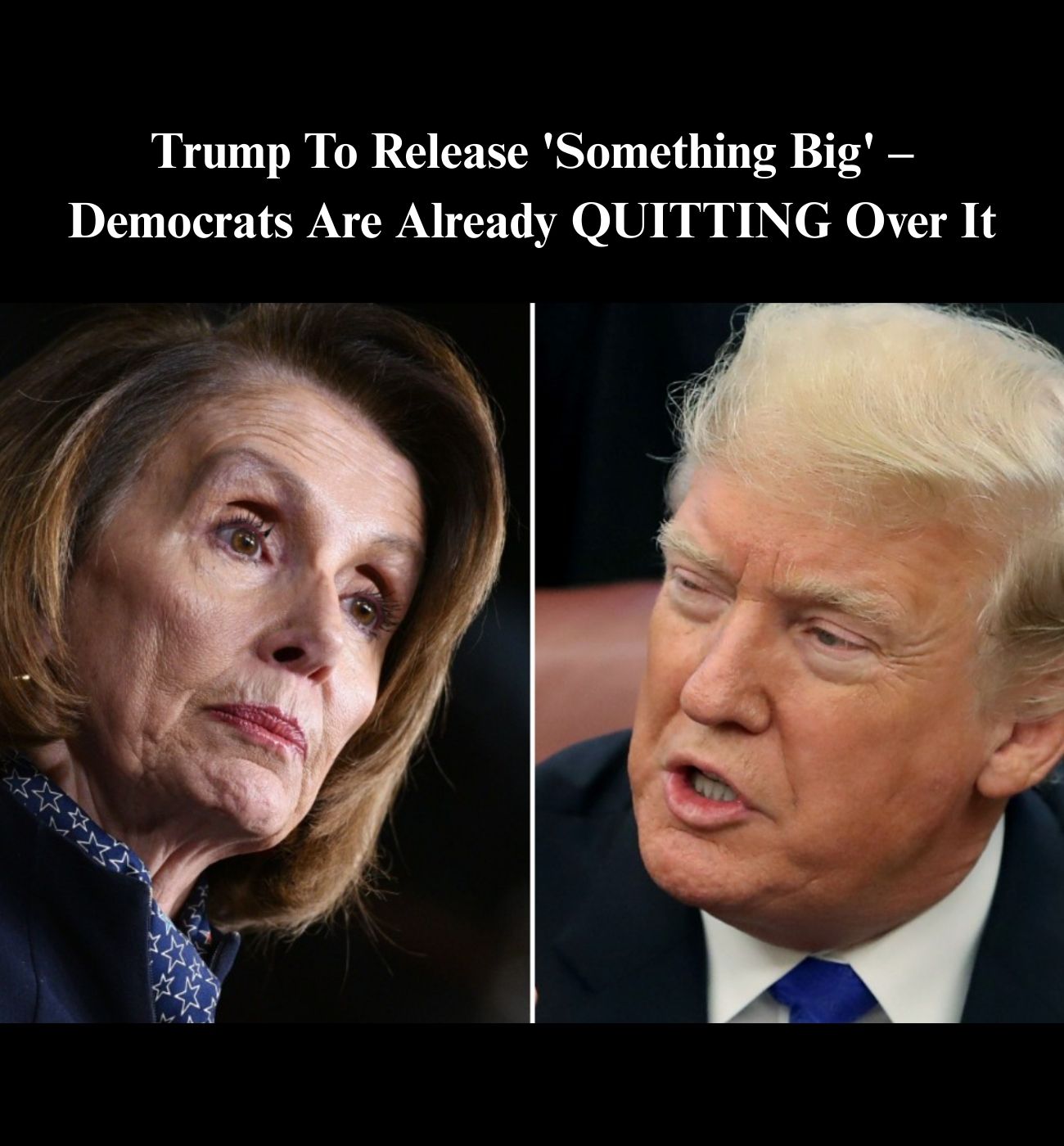
Trump’s comments about “something big” coming cannot be viewed in isolation. They arrive at a moment when:
Midterm elections loom in 2026, with control of Congress at stake and many key races unfolding in swing states.
Debates over election reform — including Trump’s call to “nationalize” some aspects of voting — are gaining traction, even as legal scholars challenge the constitutionality of federal takeover of elections.
Trust in electoral institutions remains fractured, intensified by years of competing narratives about election legitimacy.
For many Americans, this episode is more than just a news headline — it’s a window into how deeply partisan narratives shape understanding of democratic processes and how political actors continue to influence public trust.
So What Might Come Next?
At this stage, the specifics of what Trump suggests might be revealed remain vague. He did not cite evidence or timelines for when information would be disclosed. Whether future developments will be substantive or merely reinforce existing divisions is impossible to predict with certainty.
Observers are watching for:
Statements or evidence tied to the seized material that could clarify whether any concrete findings support Trump’s assertions — or whether they align more closely with long-standing claims that have already been disputed in court.
Legal outcomes from the county’s challenge to the seizure, which could set significant precedents regarding federal access to local election records.
Political messaging from both parties as the midterm election cycle gains momentum.
In the meantime, the controversy underscores ongoing debates about how Americans view elections, government power, and the interplay between federal institutions and public trust.
Conclusion: An Evolving Story With High Stakes
The saga of the FBI raid in Georgia and Donald Trump’s promise of “something big” speaks to broader themes in contemporary U.S. politics: polarization, trust in institutions, and the enduring impact of the 2020 election on public discourse. Whether new revelations emerge or the episode serves primarily as political rhetoric, it is likely to shape conversations in Washington, Atlanta, and across the country in the months to come.
As the story continues to unfold, Americans will be watching closely — not just for the substance of what may come out, but for what it means about the future of democracy, the rule of law, and the health of the republic.
ADVERTISEMENT
