ADVERTISEMENT
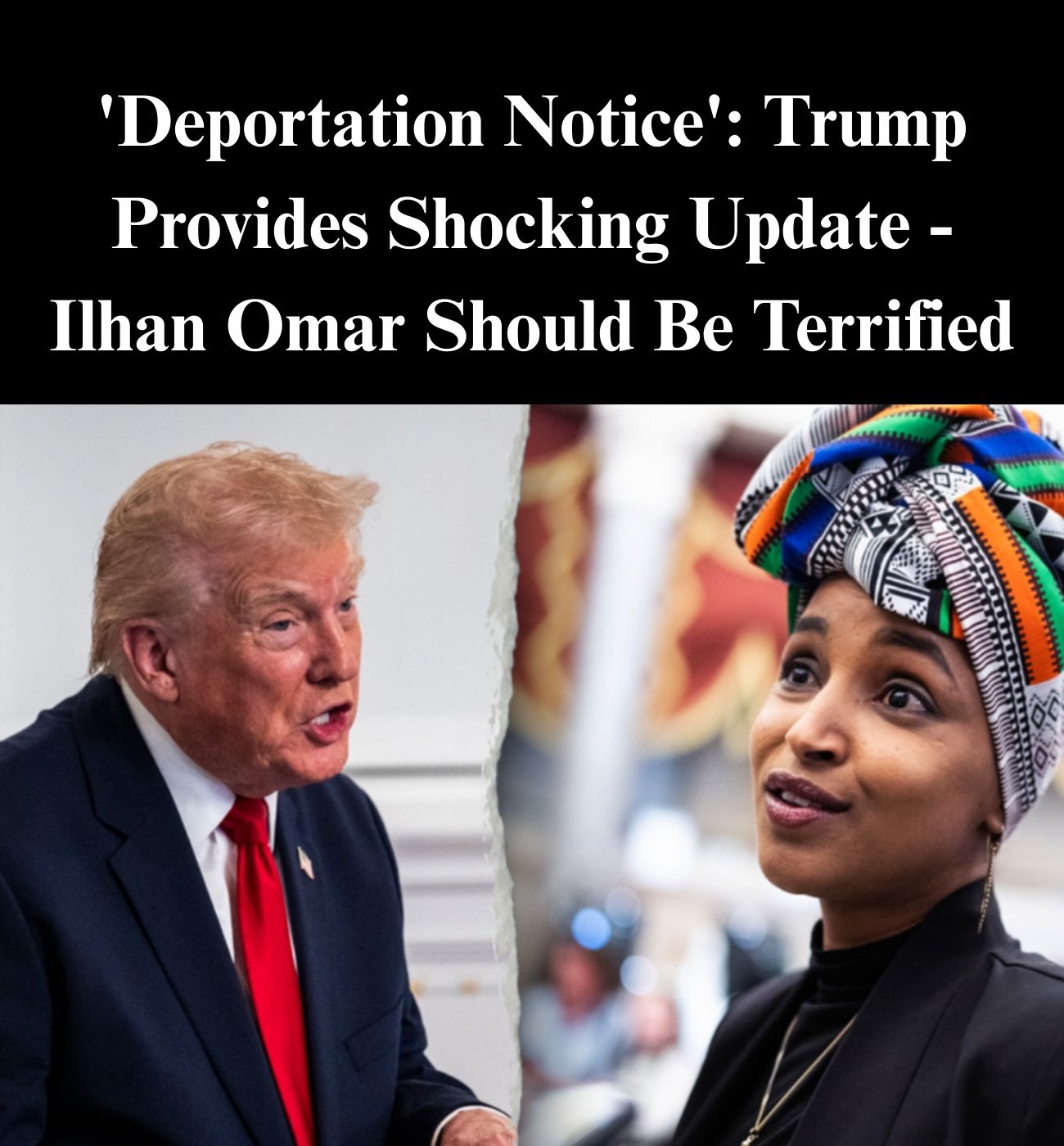
It’s important to note that while Trump’s rhetoric has been widely circulated, Omar herself has not been charged with involvement in any fraud scheme. Her political defenders condemn the attacks as racially motivated and factually unfounded, arguing that focusing on a single lawmaker distracts from the complex realities of fraud investigation and legal process.
Criticism of Gov. Tim Walz
Walz, who announced he would not seek reelection amid the controversy, has pushed back, saying his administration has worked to crack down on fraud and is cooperating with audits and law enforcement. He has rejected the notion that the issue points to systemic corruption in the state government or that his motives were anything other than protecting taxpayers. Critics of Trump’s remarks argue that assigning blame to Walz for fraud cases already under active investigation oversimplifies legal proceedings and political governance.
What Investigations Have Actually Shown
The fraud allegations have some factual basis in criminal cases at the federal and state level — but the scale and narrative around them are subjects of debate:
Confirmed Charges and Court Cases
Federal prosecutors have charged dozens of individuals in connection with alleged fraud schemes involving pandemic relief funds, Medicaid reimbursements, and childcare assistance reimbursements. These cases reflect individual instances of alleged fraud, not prosecutions of political officials themselves.
Authorities describe some of the cases as among the largest such schemes in the country, with suspects accused of billing government programs for services that were not provided.
Numbers and Claims Under Scrutiny
While Trump has cited figures like $19 billion or more in fraud, independent reporting and official statements do not confirm that level of loss or attribute it wholly to a specific community. Some media investigations note that parts of the claims come from viral videos and advocacy videos with mixed evidentiary support, and in some instances authorities had already acted on these cases before Trump began publicly highlighting them.
Political and Social Reactions: Strongly Divided
The public reaction to Trump’s comments has been highly polarized, reflecting broader national divides over immigration, race, and political rhetoric.
Support from Republican Allies
Many Republicans and conservative commentators back Trump’s criticism of Walz and Omar, arguing that state and federal leaders have failed to protect taxpayers and enforce accountability. Some members of Congress have demanded records and greater transparency from Minnesota officials, believing public oversight is necessary.
Republican candidates challenging Walz in primary politics have echoed similar rhetoric, claiming the governor did not take fraud seriously enough at critical times.
Democratic and Civil Rights Responses
Democrats — including Omar and other Minnesota leaders — have strongly condemned Trump’s attacks. They argue his rhetoric unfairly blames entire communities, particularly the Somali American community, for the misdeeds of individuals and fuels racial and religious resentment. Many emphasize that fraud can occur in many different states and contexts and should be addressed through legal channels rather than broad political attacks.
Community Friction and Broader Debate
Within Minnesota itself, reactions span a wide range. Many residents express frustration with fraud cases and the economic and social impact they have had on trust in public institutions. Some Somali Americans and immigrant advocates condemn fraud while also stressing that anti‑immigrant narratives can unfairly stigmatize entire populations based on the actions of a few.
Public discourse has also seen debates about the role of poverty, rapid pandemic relief distribution, and the challenges in preventing fraud across expansive government programs — further complicating simplistic political narratives.
Rhetoric vs. Reality: Navigating Complex Claims
One of the central criticisms of Trump’s commentary is the tendency to oversimplify complex legal, administrative, and demographic matters for the sake of political messaging. The controversies over fraud in Minnesota actually encompass several distinct issues:
Individual criminal behavior: Actual fraud schemes prosecuted by authorities.
Administrative oversight challenges: How rapid expansion of aid programs created opportunities for abuse.
Political accountability: Expectations of elected leaders versus their actual legal responsibilities.
Cultural sensitivity: How attacks on specific communities intersect with questions about race, identity, and immigration.
Experts and local officials — including Gov. Walz — emphasize that addressing fraud requires strategic reforms, stronger checks across multiple state and federal agencies, and careful auditing, rather than blanket blame.
Why This Matters Beyond Minnesota
This controversy has rapidly taken on national significance for several reasons:
1. It’s a Presidential Campaign Issue
Trump’s sharp attacks on Omar and Walz occur as he campaigns for the Republican presidential nomination, making Minnesota a high‑visibility battleground for broader political messaging. His criticism resonates with certain voter blocs but also risks alienating others.
2. It Touches on Immigration Policy
Because many allegations connect to Minnesota’s Somali American population and pandemic relief programs, the debate also intersects with national conversations about immigration, TPS protections, and how communities integrate into American political life.
3. It Reflects Broader Political Polarization
The intense language used — from “scammer” to calls for deportation — highlights how political controversies increasingly blend legal allegations, cultural identity, and election‑year rhetoric. This raises questions about how public discourse impacts social cohesion and democratic norms.
Conclusion: A Controversy With Many Layers
The rising feud between Donald Trump and Minnesota leaders Ilhan Omar and Tim Walz over alleged fraud exposes deeper divisions in American political and social life:
Is the focus on fraud legitimate or overblown?
Should public leaders be held personally accountable for systemic problems?
Where is the line between accountability and discrimination?
What began as a legal and administrative issue involving government programs has expanded into a national political conflict fuelled by charged rhetoric on identity, governance, and leadership.
As investigations into fraud continue at the state and federal level, the broader political battle will likely persist, influencing debates about immigration, fiscal responsibility, and the tone of public discourse in the United States.
ADVERTISEMENT
