ADVERTISEMENT
The level of scrutiny and rhetoric around the Minnesota investigation — including statements claiming misconduct and mismanagement under Democratic state leadership — set the stage for Trump’s latest comments about California.
California: What Triggered the Investigation Claims?
One catalyst cited by federal officials was the unemployment fraud associated with pandemic-era relief programs such as the Paycheck Protection Program (PPP) and the Economic Injury Disaster Loan (EIDL) program. Federal agencies like the Small Business Administration (SBA) have publicly announced the suspension of more than 111,000 California borrowers linked to nearly $8.6–$9 billion in suspected pandemic-related fraud — the largest action against pandemic relief fraud in the agency’s history.
Additionally, authorities have noted broader concerns with other state benefit systems, though the evidence and specifics regarding systemic fraud remain disputed by California officials.
Political Response: From California’s Leaders and Camps Across the Aisle
California’s political leadership has strongly rejected Trump’s characterization of the state and his claims about corruption.
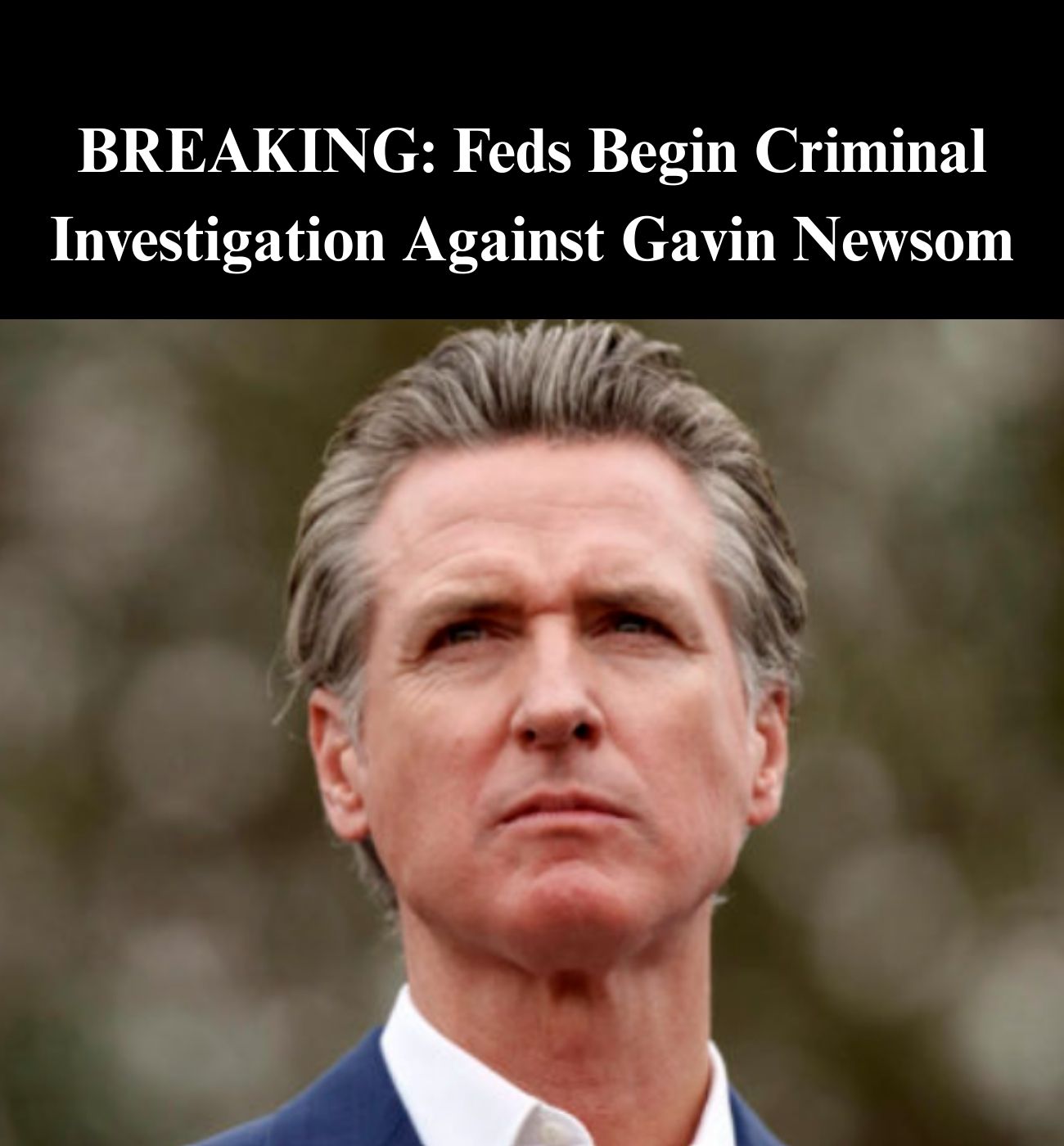
Governor Gavin Newsom’s office and Attorney General Rob Bonta have both issued statements calling the fraud allegations “baseless” and politically motivated, arguing that fraud exists in all systems but that California has taken aggressive steps to fight it. They have pointed to billions already recovered through legitimate enforcement actions and reminded the public that not all suspected fraud equates to wrongdoing proven in court.
Democratic and progressive leaders, both in California and nationally, have also criticized the federal strategy of freezing funds or launching broad investigations without presenting publicly accessible evidence. They argue such actions could disrupt essential services for vulnerable populations, including low-income families and small business owners, and politicize federal oversight mechanisms.
Legal experts have echoed some of these concerns, pointing out that administrative actions — such as freezing funds or launching investigations — typically require concrete evidence or clear procedural guidelines to withstand judicial scrutiny. In Minnesota, a federal judge recently blocked an attempt to withhold billions in child care funding from several states, including California, citing concerns about legality and timing.
What “Fraud Investigation” Could Actually Mean
Requests for additional documentation or reporting requirements from state agencies;
Expanded auditing by federal departments like Health and Human Services or the Department of Labor;
Targeted inquiries by law enforcement units focused on specific programs;
Formation of multi-agency task forces to coordinate data analysis and follow-up; or
Public calls for reform and oversight that empower later actions.
In other words, the announcement can signal the start of a process that involves multiple steps and years, not necessarily an immediate criminal case against a state government or its leaders.
In California’s case, officials expect a more structured process of inquiry into how federal funds are used and accounted for, rather than an abrupt criminal indictment of state leaders. Rumors about new task force involvement — potentially including Vice President Vance’s leadership — suggest the federal government is seeking to organize its investigative resources before presenting detailed findings.
Many observers see Trump’s announcement not simply as a law enforcement initiative, but as part of an ongoing political battle between federal and state authorities — particularly where party control diverges.
Trump’s messaging on California has used political language, including disparaging nicknames for Governor Newsom and comparisons between California and Minnesota that go beyond dry administrative oversight.
For critics, this blurs the line between genuine concern over fraud and a broader strategy to undermine political rivals. For supporters, it signals a long-overdue focus on accountability and taxpayer protection in states perceived to have lax controls.
Some legal and policy analysts caution that broad, politically framed statements can complicate actual enforcement work by injecting public sentiment into what is fundamentally a procedural and evidence-based area of law. This dynamic can create expectations that investigators must either confirm or dispute in ways that affect both federal credibility and state operations.
Potential Impacts on California and Beyond
If the investigation proceeds with formal charges or administrative actions, it could have significant consequences:
1. Funding Disruptions
Temporary withholding of federal funds — such as grants or social service dollars — could affect essential programs if states cannot provide required documentation or if courts uphold federal conditions.
2. Audit and Oversight Expansion
Federal audits and reviews could lead to changes in how California administers programs such as unemployment benefits, child care subsidies, and health care services.
3. Judicial Challenges
Courts may be asked to weigh in on whether federal actions comply with statutory and constitutional requirements, especially in cases where funding is paused before wrongdoing is fully established.
4. Political Fallout
Beyond legal outcomes, the public narrative surrounding corruption and accountability may shape perceptions of state governance in California and similar states under federal scrutiny.
Lessons From Minnesota
The Minnesota example serves as both precedent and a template for how the Trump administration views such fraud investigations:
Coordinated efforts between federal agencies and local law enforcement;
Public rhetoric tying fraud to broader political narratives;
Freezing or withholding funds as leverage for compliance or evidence;
Large-scale arrests and prosecutions tied to social service and pandemic benefits misuse.
How much of that model will carry over to California remains to be seen, and it will likely depend heavily on whether clear evidence of systemic fraud is uncovered and how California responds administratively and legally.
What Comes Next
At this stage:
Trump’s announcement marks a preliminary phase rather than a completed criminal case.
The California administration continues to reject the fraud claims.
Legal challenges may arise if federal actions affect funding without formal findings.
Federal task forces and enforcement units may begin deeper reviews of California benefit programs.
Politicians on both sides are using the situation to frame broader narratives leading into the 2026 elections.
Conclusion
President Trump’s announcement of a federal fraud investigation into California after highlighting alleged scandals in Minnesota has become one of the more controversial national topics of 2026. It sits at the intersection of law enforcement, federal–state relations, and partisan politics — raising questions about due process, accountability, and political strategy.
Whether this initiative evolves into formal cases or remains a broader oversight effort, it underscores how deeply federal oversight of state programs can shape public policy and political debate. California’s response — both in defending its systems and cooperating with or challenging federal authorities — will continue to unfold in the coming months and likely play a significant role in congressional and state election dynamics.
ADVERTISEMENT
