ADVERTISEMENT
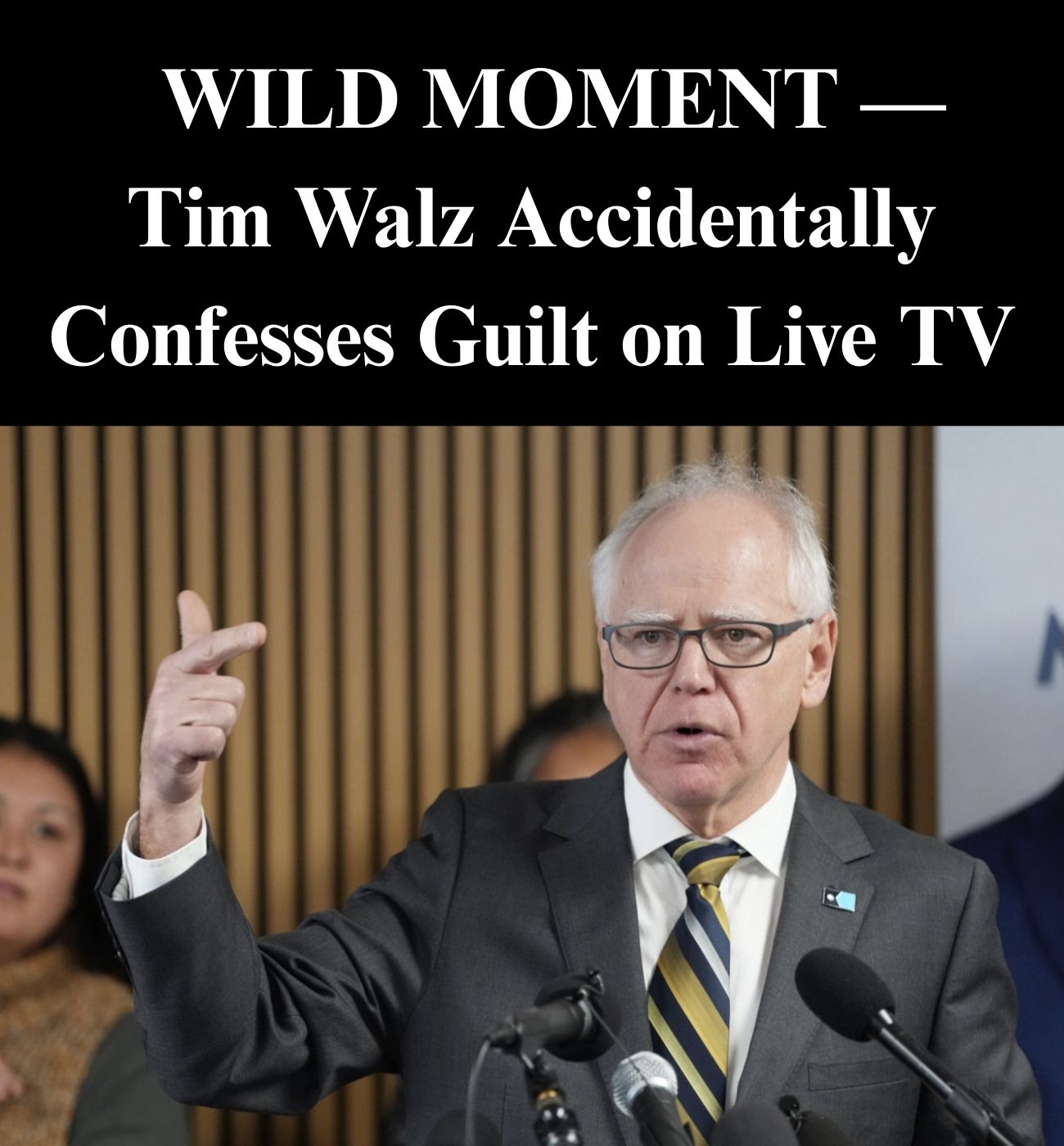
Walz’s announcement of accountability did not dampen criticism — it intensified it.
Bipartisan Demands for Oversight and Answers
Senators from across the country have also publicly criticized the situation. Republican Senators called for accountability on behalf of American taxpayers, demanding investigations into fraud in child care funds and calling for enforcement against those complicit in the misuse of federal dollars.
Pressure from Within Minnesota
Back home, some state lawmakers and watchdog voices have openly argued that Walz should step down or face more direct consequences. Republican members of the Minnesota Legislature have said that Walz’s handling of the crisis was inadequate and that a leadership change is necessary to restore faith in state governance.
Even after Walz announced he would not seek re-election — a decision he framed as allowing him to focus on fighting fraud rather than defending a campaign — critics said that merely ending his political career does not equate to true accountability.
Watchdog and Public Outrage
Groups such as Citizens Against Government Waste were sharply critical, awarding Walz a satirical “Porker of the Month” designation for failing to prevent billions in fraud and presenting the situation as a cautionary tale for other states.
The outrage stems from failed oversight mechanisms, ignored whistleblower warnings, and delayed action — all factors that critics argue combined to allow fraud to escalate.
Whistleblowers and Internal Critiques
Whether all these internal criticisms are uniformly accurate or reflect partisan tensions, the fact that such allegations exist has fueled an atmosphere of distrust and urgency around reform.
Walz’s Efforts to Counter Fraud: What He’s Doing
Despite the criticism, Walz’s administration has taken some concrete steps aimed at reducing fraud and improving oversight:
1. Anti-Fraud Task Forces and Investigations
Walz deployed anti-fraud teams and central oversight mechanisms aimed at identifying and shutting down fraud quickly. His office claims it has strengthened oversight, launched investigations, and requested external audits in key areas where fraud was suspected.
2. Audits and Third-Party Reviews
A major initiative was contracting a third-party audit firm to help review Medicaid billing and other high-risk programs — part of a broader attempt to increase transparency and accountability.
Walz also reorganized leadership in several departments, including shutting down problematic programs entirely and elevating roles — such as a Director of Program Integrity — intended to centralize fraud detection and prevention.
While these moves are meaningful on paper, critics argue they came too late or were insufficient to stop fraud from escalating in the first place.
The Politics Behind the Crisis
It would be impossible to talk about this scandal without acknowledging the political backdrop:
A Highly Charged Environment
Investigations into fraud in Minnesota’s social services programs have become fodder for national political debate — with Republicans using the issue to criticize Democrats broadly for fiscal mismanagement and lax oversight in public benefit programs.
Former President Donald Trump has publicly attacked Minnesota’s response, broadening the controversy by tying it to issues of immigration and community governance — though some of these claims have veered into highly charged rhetoric.
Legislative Proposals for National Reform
In response to the high-profile nature of the Minnesota scandal, Senator Roger Marshall introduced the so-called “WALZ Act”, aimed at preventing large-scale welfare fraud nationwide. The proposal includes real-time audits, mandatory investigations of unexplained financial spikes, and stricter reporting requirements for state agencies that administer federally funded programs.
Whether such legislation will gain traction remains uncertain, but it underscores how Minnesota’s issues have resonated at a national level.
What ‘Accountability’ Really Means
Walz’s statement — that he would take responsibility and fix the fraud crisis — resonates politically and symbolically. But what does accountability look like in practice?
Immediate Steps
At minimum, accountability involves:
Providing transparency to state and federal lawmakers
Fully cooperating with ongoing investigations
Implementing reforms that prevent similar issues in the future
Holding state officials and contractors responsible where misconduct occurred
Accountability Beyond Words
Walz’s own critics argue that accepting responsibility should also mean resigning or facing formal consequences, particularly given the scale of lost taxpayer funds.
Others suggest a hybrid approach where the governor remains in office for now but works with both parties to overhaul statewide systems and ensure structural prevention of future fraud.
The Road Ahead for Minnesota
This scandal will not fade quickly.
Minnesota faces:
Ongoing federal investigations into multiple programs
Congressional hearings requiring Walz’s testimony under oath
Potential reform legislation at both state and federal levels
Political fallout in the 2026 elections
Walz’s choice to step back from a third-term campaign illustrates how deeply the issue has affected his political standing — but it also reflects a tension over whether action or image matters more in times of crisis.
Conclusion: A Defining Crisis of Leadership and Trust
The multi-billion-dollar fraud scandal in Minnesota has become one of the most important governance challenges facing state leadership in 2025–26. By taking “full accountability,” Governor Tim Walz has signaled that he recognizes the political and ethical dimensions of the crisis — but acceptance of responsibility must be matched with systemic reforms, real transparency, and tangible results.
For Minnesota — and potentially other states watching closely — the ultimate test will be whether this moment becomes a catalyst for meaningful change or a cautionary tale of governance failures enabled by oversight lapses.
The story is still unfolding — and how it concludes will shape public trust, policy safeguards, and political narratives in Minnesota and across the nation.
ADVERTISEMENT
