ADVERTISEMENT
The Science Behind the Magic
Baking is chemistry disguised as comfort. Every ingredient has a job, and flour plays one of the most critical roles.
Gluten forms too aggressively
Batters become dense
Cakes bake unevenly
Crumbs turn tight and heavy
Sifting loosens the flour particles, allowing liquid and fat to coat them more evenly. This reduces over-development of gluten and creates a structure that traps air during baking.
The result?
Higher rise
Finer crumb
This is especially important in:
Sponge cakes
Angel food cake
Pound cake
Shortcakes
Delicate cookies
Pastries and biscuits
Why We Stopped Using It
So if the flour sifter worked so well, why did it disappear?
The answer is a mix of modern convenience and quiet assumptions.
1. “Modern Flour Is Pre-Sifted”
This is partially true—and dangerously misleading.
Most commercial flour is finely milled, yes. But it still compacts during shipping, storage, and sitting in your pantry. Scooping directly from the bag still packs flour into measuring cups, often resulting in 20–30% more flour than intended.
Many bakers unknowingly sabotage their recipes before they even start.
2. Speed Became the Priority
Modern recipes emphasize:
Fewer dishes
Faster prep
Minimal steps
Sifting was labeled “unnecessary” because it slowed things down. Box mixes reinforced the idea that baking should be instant, foolproof, and uniform.
But speed came at a cost: finesse.
3. Tools Got Replaced, Not Retired
Electric mixers promised aeration.
Whisks promised convenience.
Forks became substitutes.
And while these tools help, they don’t replicate what a sifter does at the flour level—before mixing begins.
What We Lost When the Sifter Left the Kitchen
When we abandoned the flour sifter, we didn’t just lose a tool. We lost a layer of intentionality.
We lost:
Awareness of ingredient structure
Respect for preparation steps
The tactile relationship between hands and food
Older baking wasn’t rushed. It invited patience. Sifting flour was a pause—a moment to prepare the ingredient properly before demanding performance from it.
And the results showed.
The Comeback No One Is Talking About
Quietly, among pastry chefs and serious home bakers, the sifter is making a return.
Not as a trendy gadget.
Not as nostalgia.
But as a solution.
Bakers frustrated by:
Dense cakes
Inconsistent cookies
“Why doesn’t this recipe work for me?” moments
…are rediscovering that technique matters as much as ingredients.
And many are shocked by the difference one small step makes.
Try This Experiment at Home
If you’re skeptical, here’s a simple test.
Bake your favorite vanilla cake recipe without sifting.
Bake it again a week later, sifting the flour once before measuring and once after measuring.
Use the same oven, same pans, same ingredients.
Then compare:
Height
Crumb texture
Tenderness
Moisture
Mouthfeel
Most people notice the difference immediately—especially on the second day, when unsifted cakes tend to feel heavier and drier.
It’s Not Just About Flour
Traditional sifters were also used to:
Combine dry ingredients evenly
Distribute baking powder or soda uniformly
Add cocoa powder without clumps
Lightly dust powdered sugar for finishing
Each use contributed to refinement—not flash, but reliability.
The Emotional Side of Sifting
There’s something deeply grounding about the act itself.
The soft sound.
The repetitive motion.
The visual transformation.
In a world obsessed with shortcuts, sifting asks you to slow down and trust that small actions matter.
Many people who return to using a sifter say it changes how baking feels, not just how food turns out. It reconnects them to memories of kitchens filled with warmth, intention, and quiet focus.
Do You Need a Vintage One?
No—but they’re wonderful if you find one.
Modern options include:
Hand-crank sifters
Trigger sifters
Fine-mesh sieves (a decent alternative)
What matters isn’t the tool itself—it’s the act of aerating flour before it becomes batter.
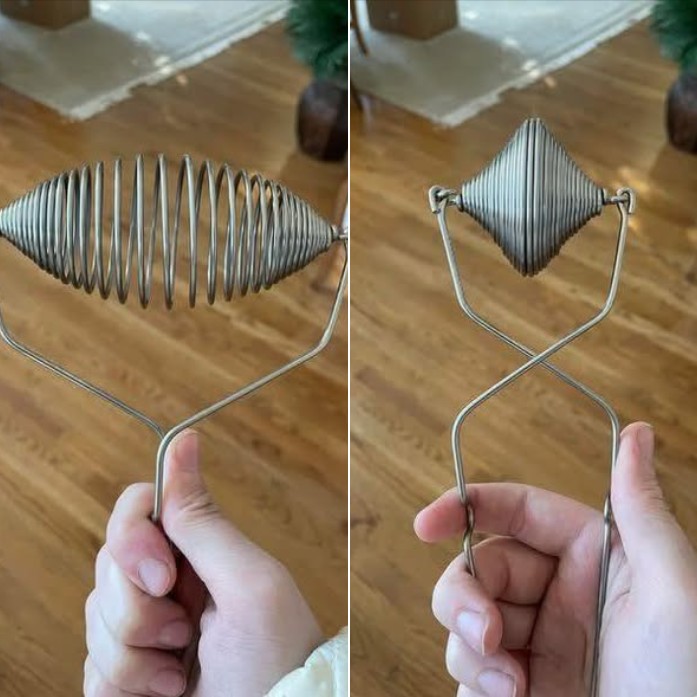
Still, there’s something undeniably satisfying about using a classic metal sifter that’s been doing its job faithfully for decades.
When You Don’t Need to Sift
To be fair, not every recipe requires it.
You can usually skip sifting for:
Dense quick breads
Brownies (unless specified)
Some rustic cookies
Recipes using weight measurements instead of volume
But for cakes, pastries, and anything meant to be light? It’s worth the extra minute.
The Quiet Lesson of the Forgotten Tool
The flour sifter reminds us of something modern cooking often forgets:
Good food isn’t just about ingredients. It’s about care.
Not every improvement comes from technology.
Not every problem needs a shortcut.
Sometimes the answer is behind us, not ahead.
The sifter didn’t disappear because it stopped working.
It disappeared because we stopped believing small steps were worth our time.
Final Thoughts
In an era of instant gratification and viral recipes, the flour sifter feels almost rebellious. It asks you to slow down. To trust process. To believe that subtle changes create meaningful results.
And when you taste that first lighter-than-air bite—the cake that finally rises the way it should—you understand why this forgotten tool once had a permanent place in every kitchen.
It wasn’t old-fashioned.
It was precise.
And it still is.
ADVERTISEMENT
