ADVERTISEMENT
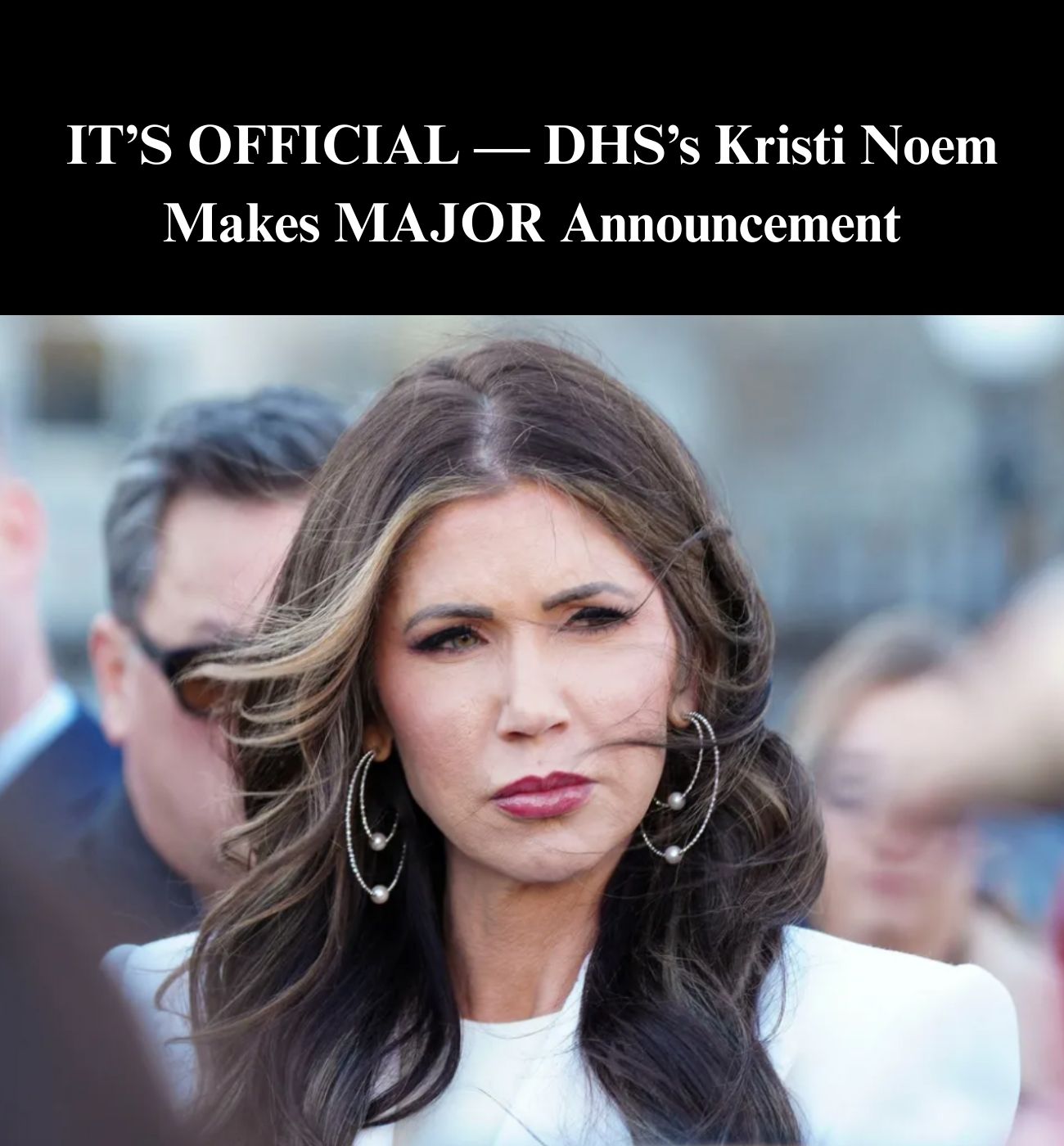
In her public statements, Noem emphasized that the same investigative and review procedures used for all ICE agents and DHS personnel were followed. She noted that the officer was placed on a brief administrative leave while the review was underway—a routine step in cases involving use of lethal force. Noem reiterated that conducting a formal internal review is customary and essential for ensuring accountability and adherence to agency policy.
However, the substance of the review’s findings—whether the officer’s actions were deemed justified under DHS policies, whether any procedural errors were identified, or whether disciplinary action was recommended—has not been fully released to the public. The administration’s characterization focuses largely on affirming adherence to standard processes rather than disclosing specific conclusions or evidence from the investigation.
One of the most contentious aspects of the Good shooting has been the question of who investigates the incident. Shortly after the shooting, Deputy Attorney General Todd Blanche stated that the Justice Department’s Civil Rights Division would not open a criminal civil rights investigation into the ICE officer’s conduct, a divergence from how past law enforcement fatalities have been handled—such as in the 2020 Minneapolis police killing of George Floyd, which prompted an immediate federal civil rights prosecution.
This decision effectively restricted the scope of federal criminal review, leaving the internal DHS process as the primary federal examination of the shooting. Local authorities in Minnesota have also expressed frustration at being shut out of the investigation entirely, as federal agencies claimed supremacy over the case and denied access to critical evidence. The Minnesota Bureau of Criminal Apprehension reported that the FBI would not share scene materials or investigative interviews, further complicating local oversight.
Critics argue that excluding independent or local participation undermines the legitimacy of the review and reinforces perceptions of a lack of accountability when federal agents are involved in fatal shootings.
Political and Public Reaction
The internal review and Noem’s public affirmation of federal processes have elicited strong reactions from across the political spectrum.
1. Local and State Leaders
Minnesota officials, including Governor Tim Walz and Minneapolis Mayor Jacob Frey, have criticized the federal handling of the case, calling for independent oversight and more transparency. They argue that federal immunity and internal reviews alone are insufficient for resolving community concerns and ensuring justice.
2. Members of Congress
3. Civil Rights Advocates
Civil liberties organizations and protest groups have been vocal in condemning the shooting and the internal review process. They argue that federal agents should be subject to independent criminal investigations, especially when their actions result in the death of a civilian. Many activists highlight videos and eyewitness reports that suggest Good was not acting in a clearly threatening manner when she was shot.
4. Supporters of Federal Enforcement
On the other side, supporters of strict immigration enforcement, including some Trump administration officials, have defended the ICE officer’s actions and the internal review, framing Good’s conduct—such as alleged attempts to drive the vehicle in a way that endangered agents—as justifying the use of lethal force. In remarks to press, Noem characterized elements of the encounter as an attempted act of violence against federal personnel.
This deep political divide has fueled heated public discourse and made the incident a flashpoint in national conversations about law enforcement, immigration policy, and use of force standards.
Training, Policy, and Use of Force Standards
Another critical dimension of the internal review concerns the policies governing use of force by ICE agents. Federal law enforcement agencies typically have detailed directives outlining when and how officers can employ deadly force, often stressing that such force should be proportionate and necessary to avert an imminent threat of death or serious bodily harm.
ICE officers’ training regimes and use-of-force policies have been under intense scrutiny in the aftermath, with advocates pushing for clearer standards, improved training, and more robust accountability mechanisms for federal agents.
Legal and Constitutional Questions
The shooting and subsequent review have also reignited debate on key legal issues:
Federal Immunity
Federal agents often operate with broad immunity when conducting official duties, making it difficult for state authorities to bring charges under state laws. This doctrine has been a focal point of criticism in the Good case, especially given Minnesota’s exclusion from the investigation due to federal jurisdictional claims.
Adequacy of Internal Reviews
Because internal reviews are conducted by the same agencies whose personnel are under scrutiny, questions arise about impartiality and transparency. Critics argue that meaningful accountability requires independent or external review mechanisms—particularly for fatal use-of-force incidents.
Civil Rights Enforcement
Federal civil rights enforcement agencies’ decision not to open a criminal investigation has raised concern about consistency in applying civil rights protections across different types of law enforcement actors. This discrepancy has become part of broader legislative and legal debates around federal oversight of police and federal agent conduct.
Community Impact and Protests
Good’s death has not been contained to legal proceedings or policy disputes. It has also sparked community protests and grassroots activism in Minneapolis and beyond, with demonstrators expressing grief, anger, and calls for justice and reform. Many comparisons have been drawn to previous high-profile police killings in the city, further intensifying emotional responses from activists and residents alike.
Some local residents and observers note how quickly federal agents were deployed and how the internal review process unfolded—perceived by some as prioritizing federal interests over community trust and local engagement.
Why This Matters Nationally
The internal review’s outcomes and the surrounding controversy have implications that go well beyond Minneapolis. They touch on fundamental questions about:
Federal law enforcement accountability
The role of internal reviews versus independent investigations
Civil rights protections and how they are enforced
Public trust in government institutions
The balance between border/enforcement policy and community safety
In an era where questions about police reform and accountability are central to national discourse, cases like Good’s are seen as watershed moments shaping future policy and legal frameworks.
Looking Ahead: Transparency, Reform, and Justice
As the internal review’s particulars remain largely undisclosed, public pressure continues to mount for greater transparency and possibly external review. Whether federal oversight mechanisms will adjust in response to this and similar incidents remains to be seen, but the political and legal spotlight is unlikely to dim soon.
For many observers, Noem’s revelation of an internal review is only the first step in a much broader dialogue about how law enforcement—especially at the federal level—uses force, trains its personnel, and holds them accountable for actions that result in loss of life.
Conclusion
The tragic death of Renée Good and the internal review of the ICE officer who shot her have become central to ongoing debates about law enforcement accountability, federal jurisdiction, and public trust in government. While Homeland Security Secretary Kristi Noem has affirmed that standard internal processes were followed, critics argue that the outcome will not satisfy calls for impartiality or justice.
This incident has spotlighted the limits of internal reviews, the complexities of overlapping legal jurisdictions, and the urgent need for clear standards and transparency in use-of-force investigations. Whether policy reforms or external oversight mechanisms emerge from this controversy remains an open question—but the national conversation it has sparked is profound and far from over.
ADVERTISEMENT
