ADVERTISEMENT
According to federal authorities, during the operation, two federal agents fired their weapons and Pretti was fatally shot. The Department of Homeland Security (DHS) and CBP officials have stated that agents fired “defensive shots” after Pretti allegedly resisted and appeared to present a threat.
Local authorities and eyewitnesses have offered conflicting accounts of the moments leading up to the shooting. Verified bystander videos circulating online show Pretti holding a cell phone — not a weapon — shortly before law enforcement officers move in and a confrontation ensues. Some footage suggests that Pretti was filming or trying to help others rather than threatening agents.
The situation was tense, with protesters and onlookers present during the enforcement action. Videos also show tear gas or chemical irritants being used by law enforcement, and physical altercations between agents and people on the street.
Conflicting Accounts and Controversy
The shooting has become one of the most controversial events in Minneapolis in recent months, and in part because key details remain disputed.
Federal officials have suggested that Pretti approached officers with a firearm and resisted attempts to disarm him. However, local leaders, Minnesota officials, and eyewitnesses dispute this interpretation. Minneapolis Police Chief Brian O’Hara confirmed that Pretti was a lawful gun owner with a permit to carry, and that his only prior interactions with law enforcement were minor traffic‑related incidents.
Critics have pointed out that independent video evidence appears to contradict the federal narrative. Some clips show Pretti with his hands visible and not brandishing a weapon before he was tackled. Other recordings suggest that he was aiding others or attempting to document the scene rather than engaging in aggressive behavior.
The incident also follows another fatal shooting earlier in January in Minneapolis involving federal forces. The fact that two U.S. citizens have now been killed in separate encounters with federal agents in a short span has intensified public scrutiny and concern.
Reactions from Family and Community
Pretti’s family has issued strong statements in the days since his death. They have rejected the federal characterization of their son’s actions, calling the administration’s statements “sickening lies” and urging the public to seek the full truth about what happened.
Local political leaders have also responded. Minnesota Governor Tim Walz and Minneapolis Mayor Jacob Frey have both criticized federal law enforcement’s tactics and urged for greater accountability and transparency. Some officials have even called for federal agents to withdraw from enforcement operations in the city.
Residents and community members have organized vigils and protests, mourning Pretti’s death while also demanding an independent investigation. Many voices across Minneapolis and beyond have made it clear that they want not only answers, but changes to how federal enforcement actions are conducted in residential areas.
Broader Implications
The shooting of Alex Pretti has become a flashpoint in national discussions about law enforcement, immigration policy, and federal authority. It raises complex questions about how federal agencies operate in local jurisdictions, the use of force in crowd and enforcement settings, and the protection of constitutional rights during government actions.
It also highlights how painful and divisive these issues can be — especially when someone widely seen as a caregiver, a neighbor, and a professional is killed in a public confrontation with law enforcement.
Across the country, lawmakers, civil rights organizations, health care professionals, and everyday citizens are watching closely. The incident has prompted debates in Congress about oversight, use‑of‑force protocols, and the role of federal agents in cities grappling with crime, immigration, and social unrest.
Remembering a Life
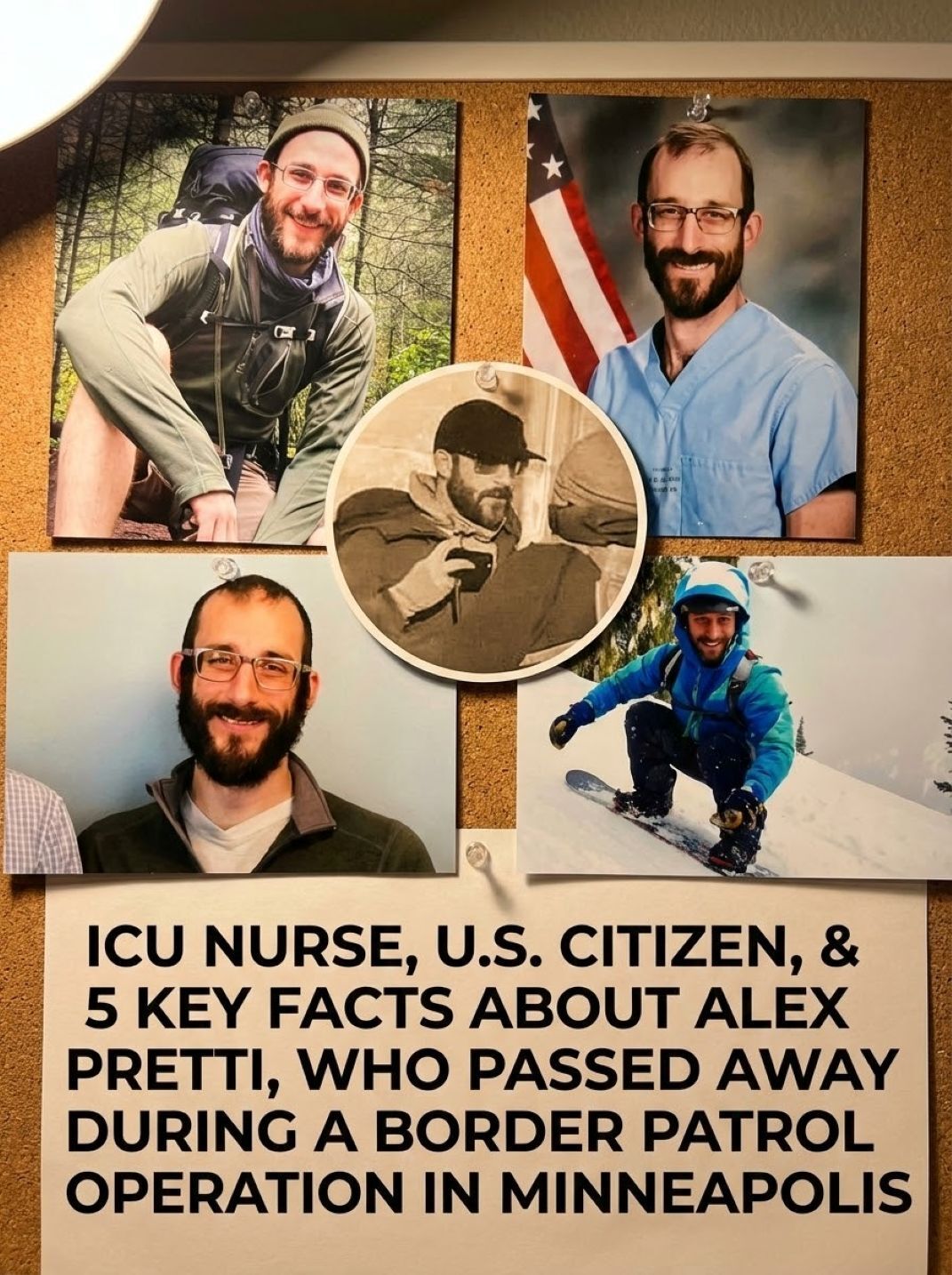
Friends, family members, and colleagues have shared stories that paint a picture of a man who was deeply passionate about his work and his community. He cared for veterans with dignity and compassion. He was knowledgeable and warm, quick with a joke and committed to his patients’ well‑being.
Those who knew him have also described his love for the outdoors, his interest in mountain biking, and his general zest for life. These personal recollections serve as a reminder that behind the headlines and controversy was a human being with family and friends who are now grieving an unexpected loss.
A Call for Truth and Accountability
The controversy over the shooting of Alex Pretti underscores a pressing need for clarity and transparency. Independent investigations, careful review of the available video and eyewitness evidence, and open dialogue between federal and local authorities are all part of ensuring that the full circumstances of the encounter are understood.
For many, justice does not simply mean determining who pulled the trigger. It means understanding why a trained, licensed nurse who had touched the lives of patients and colleagues ended up in a violent confrontation with federal agents, and how similar tragedies can be prevented in the future.
In Conclusion
The death of Alex Pretti has resonated far beyond the streets of Minneapolis. It has become a symbol of the tensions that can arise when federal and local priorities collide, and a stark reminder of the human cost when confrontations escalate into violence.
More than anything, his story highlights the importance of seeking truth, honoring human life, and engaging in civic discussions with both courage and compassion. Whether one focuses on the legal questions, the policy implications, or the deeply human tragedy, the loss of life in this case leaves a profound impact that will be felt for years to come.
ADVERTISEMENT
