ADVERTISEMENT
Waters also appeared to challenge the heavy law enforcement presence, including the deployment of National Guard troops and other federal support. Video shared online shows her addressing the National Guard and expressing frustration with what she viewed as an escalation of federal force.
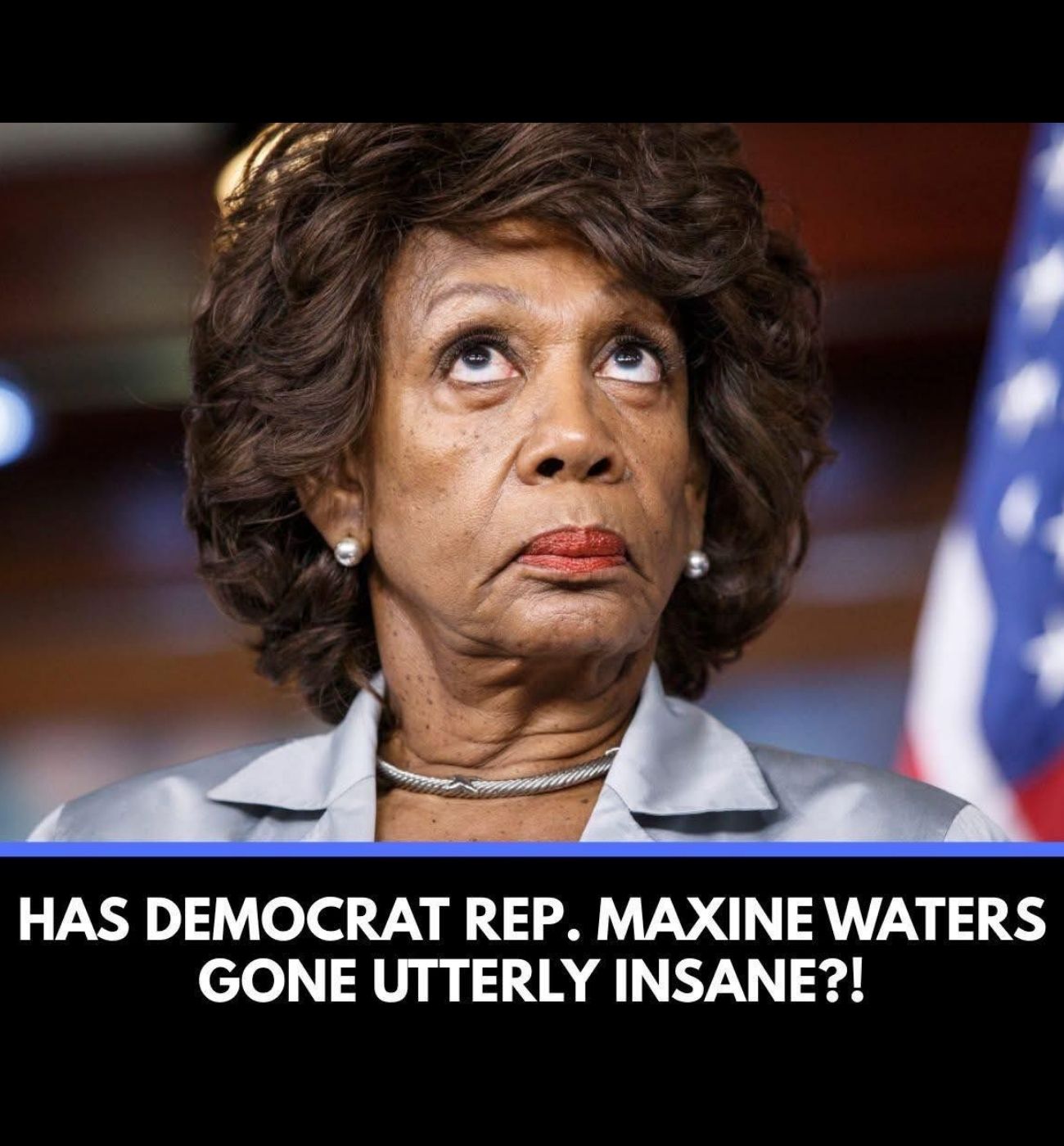
Her presence at the protest reflects her long‑standing stance against aggressive immigration enforcement. Waters has previously criticized federal immigration raids and, during protests in mid‑2025, made remarks disputing reports of violence, insisting that demonstrations were not violent even as clashes unfolded — a claim that was widely disputed by law enforcement and independent reporting.
Whether viewed as a champion of civil liberties by her supporters or as a polarizing figure by critics, Waters’ visibility at these protests made her one of the most prominent political figures associated with the demonstrators, underscoring the national stakes of what might otherwise have been a regional event.
Clashes and LAPD Arrests: What Happened on the Ground
What began as a mass demonstration in Los Angeles quickly ran up against escalating tensions as portions of the crowd grew confrontational. According to law enforcement reports, after dispersal orders were given, a number of individuals engaged in violent actions — including throwing bottles, rocks, and even a slingshot attack toward officers — prompting police to declare an unlawful assembly and make multiple arrests.
The LAPD issued dispersal orders in areas near Alameda Street and declared a tactical alert after clashes at the detention center entrance. The department said it used pepper balls and tear gas to disperse the crowd when portions of it refused to leave, pushing back demonstrators responsible for property damage and assaults on officers.
Local authorities described the arrests as targeting “violent agitators” whose conduct put both protesters and law enforcement at risk. LAPD statements emphasized that they had hoped the demonstrations would remain peaceful but that the actions of a subset of individuals forced police to intervene to restore order and public safety.
These actions occurred amid a broader national context of anti‑ICE rallies, some of which were marked by clashes with officers and property damage, while others remained peaceful.
Law Enforcement Response and Public Safety Concerns
The LAPD’s approach reflected the challenges faced by local police when demonstrations blend peaceful protest with violent escalation. Law enforcement agencies must balance constitutional protections for free speech and assembly with their mandate to protect public safety and respond to actions that violate laws or endanger lives.
Additionally, tensions were heightened by the backdrop of previous immigration raids and the deployment of National Guard troops to various cities — including Los Angeles — to assist in public safety responsibilities during periods of unrest. Such deployments have themselves been controversial, with some local leaders arguing they escalate tensions and others asserting they are necessary to protect property and personnel.
Law enforcement agencies pointed out that some protesters targeting federal facilities and officers threw projectiles and engaged in activities that could harm bystanders as well as officers, making their interventions necessary to prevent further violence.
Political Reactions and Broader Debate
The participation of a high‑profile elected official like Maxine Waters naturally drew political responses from both supporters and critics.
Supporters of Waters and the Protest Movement
Supporters argue that the protests — including those in Los Angeles — are a legitimate exercise of constitutional rights, especially given what they view as excessive use of force by ICE and federal authorities. They see Waters’ involvement as a demonstration of solidarity with immigrant communities who feel targeted by current federal immigration policies.
Many activists have framed the confrontation around the deaths of individuals like Alex Pretti and Renée Good, who were killed by federal agents in Minnesota, as emblematic of systemic issues in immigration enforcement that demand broad public action.
Critics — including many elected Republicans and law enforcement advocates — argue that participation by political figures in protests that turn violent can undermine public safety and embolden unacceptable conduct. They assert that calls to “ICE out of L.A.” and similar chants risk painting law enforcement officers as villains and eroding respect for the rule of law.
Some conservative commentators also pointed to the presence of property damage, assaults on officers, and the need for crowd control measures as reasons why protests should focus on peaceful engagement rather than chaotic street actions.
Whether for or against the methods used by demonstrators, there’s broad recognition that the immigration issue itself is deeply polarizing, and leaders’ involvement reflects that divide.
The Larger Context: A Nation at a Crossroads
The Los Angeles protest — like many others in 2026 — did not occur in isolation. It was part of a nation‑wide wave of demonstrations responding to federal immigration enforcement tactics, deaths linked to ICE operations, and broader distrust of federal authority in matters of community policing and civil liberties.
These protests have drawn participation from a wide range of groups — from grassroots immigration activists and labor unions to high‑profile politicians and cultural figures. They have included marches, economic walkouts, strikes, and mass rallies in cities across the United States.
At the same time, federal and local authorities have struggled to manage these demonstrations, particularly when tensions escalate between peaceful expressions of dissent and confrontations that risk public safety. Arrests of “violent agitators” — a term used by law enforcement to describe those engaging in illegal conduct — have continued to make headlines, often overshadowing broader protest messages.
The debate over immigration enforcement — and the tactics used to resist or support it — remains one of the most pressing issues in contemporary U.S. politics. Waters’ participation in these events reflects her long‑standing advocacy for immigrant rights and tangible reform, even as it places her squarely in the center of one of the nation’s most contentious political issues.
Conclusion: Protest, Politics, and the Future of Civic Engagement
The anti‑ICE protest in Los Angeles — marked by Rep. Maxine Waters’ participation and LAPD’s arrest of violent agitators — underscores the profound tensions in American civic life today. As debates over immigration enforcement continue to motivate large‑scale civic action, the nation must grapple with questions about how to balance protest rights with public safety, how elected leaders should engage with grassroots movements, and how law enforcement should respond to unrest without inflaming further conflict.
This episode in Los Angeles reflects a broader national moment in which citizens and leaders alike are wrestling with difficult questions about justice, civil liberties, the role of federal authority, and the meaning of peaceful dissent in a democratic society. The outcome of these debates — in courts, in Congress, and in public discourse — will undoubtedly shape the future of civic engagement and immigration policy in the years ahead.
ADVERTISEMENT
