ADVERTISEMENT
# **Ladder: Can You See It Going Up or Down? Exploring the Fascinating World of Optical Illusions**
In this post, we’ll dive into the science behind the ladder illusion, why your brain can see it differently than someone else’s, and the deeper lessons optical illusions can teach us about perspective and life.
—
### **The Ladder Illusion: A Simple Yet Powerful Image**
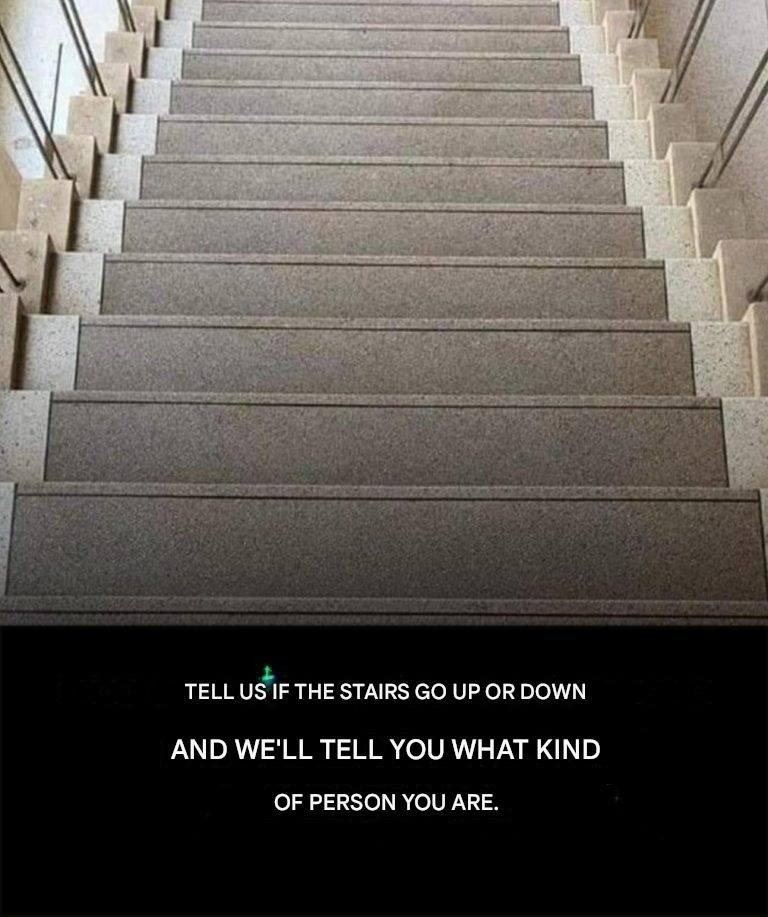
At first glance, the ladder appears ordinary: two parallel lines connected by evenly spaced rungs. But look closer. Some viewers see the ladder extending upward, reaching towards the sky. Others see it descending, as if plunging into a pit. The image itself doesn’t change, yet your brain may flip its interpretation spontaneously.
This is what makes the ladder illusion so fascinating. It’s a **classic example of an ambiguous figure**, much like the famous Rubin vase (which can appear as either a vase or two faces) or the Necker cube (which seems to flip in three dimensions). These illusions are called ambiguous because the visual information can support **multiple, equally plausible interpretations**, leaving your brain to choose one at a time.
—
### **Why Do People See the Ladder Differently?**
The explanation lies in the science of **visual perception and cognitive processing**. Our brains don’t passively record the world; they actively interpret sensory data to construct reality. This means that two people can look at the same object and see it differently. Here are some factors that influence whether you see the ladder going up or down:
Continue reading…
ADVERTISEMENT
