ADVERTISEMENT
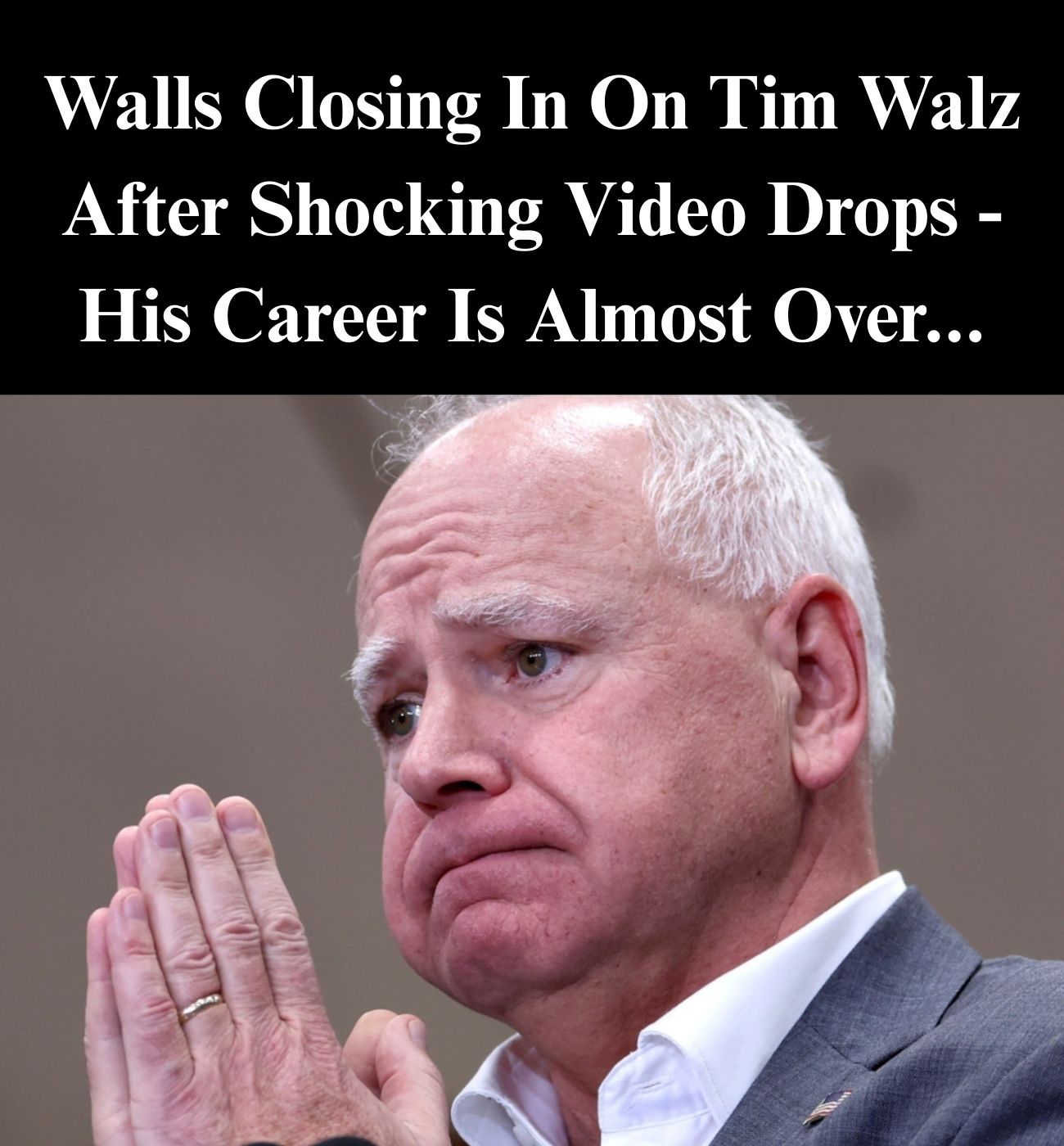
The discussion quickly moved from social platforms to political forums, with calls for hearings and demands that Governor Walz explain how such widespread fraud — if true — could go undetected.
State and Federal Response
Federal agencies, including the U.S. Department of Homeland Security (DHS) and the Federal Bureau of Investigation (FBI), increased their presence in Minnesota to investigate potential fraud related to federally funded childcare programs after the video circulated widely. In response, funding from the U.S. Department of Health and Human Services (HHS) for Minnesota’s child care programs was temporarily frozen while authorities sought to verify the allegations and require stricter documentation.
The freezing of federal payments was a dramatic development, affecting not only the specific centers mentioned in the video but child care providers statewide. Critics raised concerns about the consequences for families who rely on these programs if funding remained suspended during the investigation.
Official Denials and Investigations
Despite the viral allegations, state officials have pushed back firmly on claims of fraud in the daycare centers featured in the video.
Minnesota regulators reported that each of the facilities shown in Shirley’s video had been inspected recently — in many cases within the preceding six months — as part of routine licensing reviews. During those inspections, authorities did not find evidence of fraud, and children were present at the centers at the times they were reviewed, according to state statements.
The Department of Children, Youth, and Families said it took the concerns raised by the viral video seriously but emphasized that prior oversight had not uncovered fraudulent activity at those facilities. In response to the controversy, state officials announced plans to take a second look at the centers, even though past evaluations had not resulted in action against them.
Governor Walz’s office also defended its record, noting that the state has been working to combat fraud in various programs for years and has implemented measures such as audits, enforcement action, and oversight enhancements to reduce misuse of funds.
Political Ramifications and Fallout
Republican lawmakers and conservative commentators used the video as leverage to criticize Governor Walz, portraying the allegations as evidence of mishandled oversight and leadership failure. Some demanded hearings, audits, and even suggested legal accountability.
The pressure mounted at the national level as well, and by January 2026, Walz — who had been considering a bid for a third term as governor — announced he was ending his re‑election campaign amid mounting scrutiny and political fallout tied in part to the fraud allegations. Supporters of the video’s claims celebrated the announcement as a victory, crediting Shirley’s reporting for intensifying the spotlight on the Walz administration.
Yet others questioned whether the allegations themselves had been sufficiently verified or whether political motives and sensationalism had amplified an unproven narrative.
Debate About Evidence and Reporting Methods
A major point of contention in the conversation has been the quality and reliability of the evidence presented in the viral video.
While Shirley’s video shows footage of seemingly inactive centers and references public funding data, critics have pointed out that:
Video evidence of empty buildings does not prove fraud, especially if visits occurred outside normal operating hours.
Routine inspections and licensing checks did not uncover fraud during state reviews.
Some fact‑checking observers and commentators have suggested that the video lacked crucial context, and that conclusions based solely on appearance — like a closed door during off‑hours — do not constitute verified proof of fraud.
Minnesota officials, for their part, have stressed that no formal findings of fraud have been publicly reported based solely on the viral video’s claims, and that more thorough investigations are needed before drawing conclusions about wrongdoing.
Impact on Communities and Providers
Beyond politics and media coverage, the situation has had real‑world effects on providers and communities — particularly Somali‑owned daycare centers in Minnesota and beyond.
Following the video, some facilities reported increased harassment, scrutiny, and threats, with critics and influencers visiting sites while filming, often without consent. These actions raised serious concerns among advocates about racial profiling, intimidation, and the targeting of immigrant‑run small businesses.
Officials and community leaders in other states — like California — also reported similar patterns of harassment toward Somali daycare providers where no evidence of fraud had been found.
These developments highlight how viral content can rapidly influence public perception in ways that affect people’s safety, reputations, and livelihoods — even before any legal determinations are made.
Why This Matters Beyond Minnesota
The controversy around the alleged $110 million fraud touches on several broader issues:
1. The Power — and Pitfalls — of Viral Journalism
Platforms like X and YouTube allow independent creators to reach audiences in ways traditional media sometimes cannot, leading to rapid dissemination of content that can influence public opinion and political discourse — for better or worse.
2. Verification vs. Sensationalism
The ease of filming and sharing clips has raised questions about how allegations should be verified before becoming part of national narratives, especially when they touch on sensitive topics involving public funds and communities.
3. Government Oversight and Accountability
Whether or not the specific claims are ultimately substantiated, the situation has intensified debate about how public programs are monitored and what safeguards are needed to prevent misuse of taxpayer dollars.
4. Social Impact and Community Harm
When unverified claims spread widely, they can affect trust, safety, and relations within and between communities — with long‑lasting repercussions.
Current Status and What’s Next
As of early 2026:
State officials have stated they found no direct evidence of fraud at centers featured in the viral video, despite renewed reviews.
Federal agencies have intensified scrutiny of funding practices and collections in Minnesota, including freezing certain payments while investigations continue.
Political calls for transparency and accountability remain active, with some lawmakers pushing for records and audits related to oversight of state programs.
At the same time, many observers stress that allegations alone — without substantiated evidence — are not proof of guilt, and that ongoing official investigations will shape what is ultimately understood about the situation.
Final Thoughts
The controversy sparked by an independent journalist’s viral video accusing Governor Tim Walz of involvement in a massive child care fraud highlights how modern media, politics, and public policy intersect in complex and often unpredictable ways.
While the video brought public scrutiny to funding oversight and ignited a political firestorm, it also underscores the importance of responsible reporting, evidence verification, fair process, and measured discourse in an era where information — and misinformation — can spread instantly around the world.
As investigations continue and discussions evolve, this episode will likely remain a case study in how viral content, public institutions, and political narratives interact in the digital age.
ADVERTISEMENT
