ADVERTISEMENT
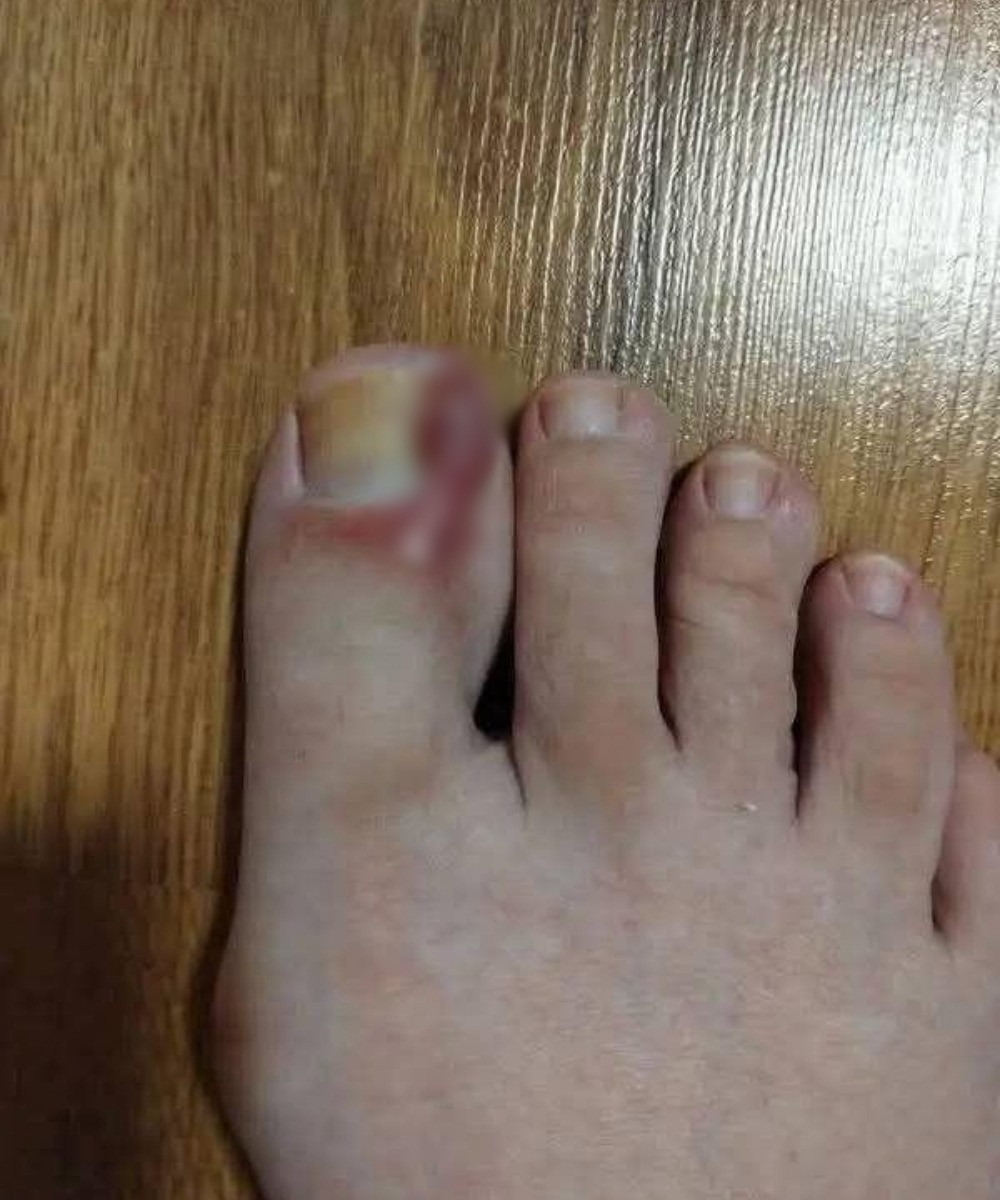
You see pus or drainage
Redness is spreading
You have diabetes or compromised circulation
Step-by-Step Guide to Treating an Ingrown Toenail at Home
Step 1: Soak Your Foot
Soaking helps reduce swelling, soften the skin, and relieve pain.
How to do it:
Fill a basin with warm (not hot) water
Add Epsom salt if available (optional but helpful)
Soak your foot for 15–20 minutes
Repeat 2–3 times daily
Step 2: Clean the Area Thoroughly
After soaking, gently wash your foot with mild soap and warm water.
Dry the foot completely
Avoid harsh scrubbing
Make sure the toe is clean before touching it further
Keeping the area clean helps prevent infection.
Step 3: Gently Lift the Ingrown Nail Edge
What you’ll need:
Clean tweezers or dental floss
Cotton or gauze
Clean hands
How to do it:
Gently lift the edge of the nail that’s pressing into the skin
Do not force it or dig deeply
Place a small piece of clean cotton or dental floss under the nail edge
This helps guide the nail to grow above the skin
Change the cotton daily, especially after soaking.
⚠️ Stop immediately if you feel sharp pain or bleeding.
Step 4: Apply an Antibiotic Ointment
Once the nail is lifted:
Apply a thin layer of over-the-counter antibiotic ointment
This helps prevent infection
Cover the toe with a clean bandage
Reapply daily or as needed, especially after soaking.
Step 5: Wear Open or Loose-Fitting Footwear
Pressure from tight shoes can worsen the problem.
For the next several days:
Wear sandals or open-toed shoes if possible
Choose soft, wide-toe shoes
Avoid high heels and narrow footwear
Reducing pressure allows the toe to heal faster.
Step 6: Manage Pain and Inflammation
Pain can be managed with:
Over-the-counter pain relievers like acetaminophen or ibuprofen
Cold compresses (10 minutes at a time)
Continued soaking
Avoid numbing sprays or harsh chemicals—they can irritate the skin.
Step 7: Monitor for Signs of Infection
Check your toe daily for:
Increasing redness
Swelling that worsens
Warmth or throbbing pain
Pus or foul odor
If symptoms worsen or don’t improve after several days, stop home treatment and consult a healthcare provider.
What NOT to Do
Certain common “home remedies” can actually make ingrown toenails worse.
Avoid:
Digging deeply into the skin with sharp tools
Cutting the nail too short or into a curve
Using hydrogen peroxide repeatedly (it can slow healing)
Ignoring worsening symptoms
Attempting “DIY surgery” at home
If the nail is deeply embedded, professional treatment is safer and more effective.
How Long Does It Take to Heal?
With proper home care:
Pain often improves within 2–3 days
Swelling decreases over one week
Full healing may take 1–2 weeks
Healing time varies depending on severity and how early treatment begins.
Preventing Future Ingrown Toenails
Once you’ve had an ingrown toenail, prevention becomes especially important.
Trim Your Nails Correctly
Cut nails straight across
Avoid rounding corners
Don’t cut nails too short
Choose Proper Footwear
Shoes should have enough toe room
Avoid tight socks and shoes
Consider wider shoes if you’re prone to toe issues
Maintain Foot Hygiene
Wash feet daily
Dry thoroughly, especially between toes
Change socks regularly
Protect Your Toes
Wear protective footwear when needed
Avoid repetitive toe injuries
Special Considerations for High-Risk Individuals
If you have:
Diabetes
Poor circulation
Nerve damage
A weakened immune system
Do not attempt home treatment. Even minor foot injuries can become serious quickly. Seek professional care at the first sign of an ingrown toenail.
When Professional Treatment Is Needed
If home care doesn’t work, a healthcare provider or podiatrist may:
Remove part of the nail
Drain infection
Prescribe antibiotics
Perform a minor procedure to prevent recurrence
These treatments are typically quick and performed under local anesthesia.
Final Thoughts
An ingrown toenail may be small, but it deserves attention. When caught early, at-home treatment can be effective, affordable, and safe. The key is gentle care, good hygiene, and knowing when to stop and seek help.
Listen to your body. If pain worsens or signs of infection appear, don’t wait. Prompt treatment can prevent complications and get you back on your feet—comfortably.
ADVERTISEMENT
