ADVERTISEMENT
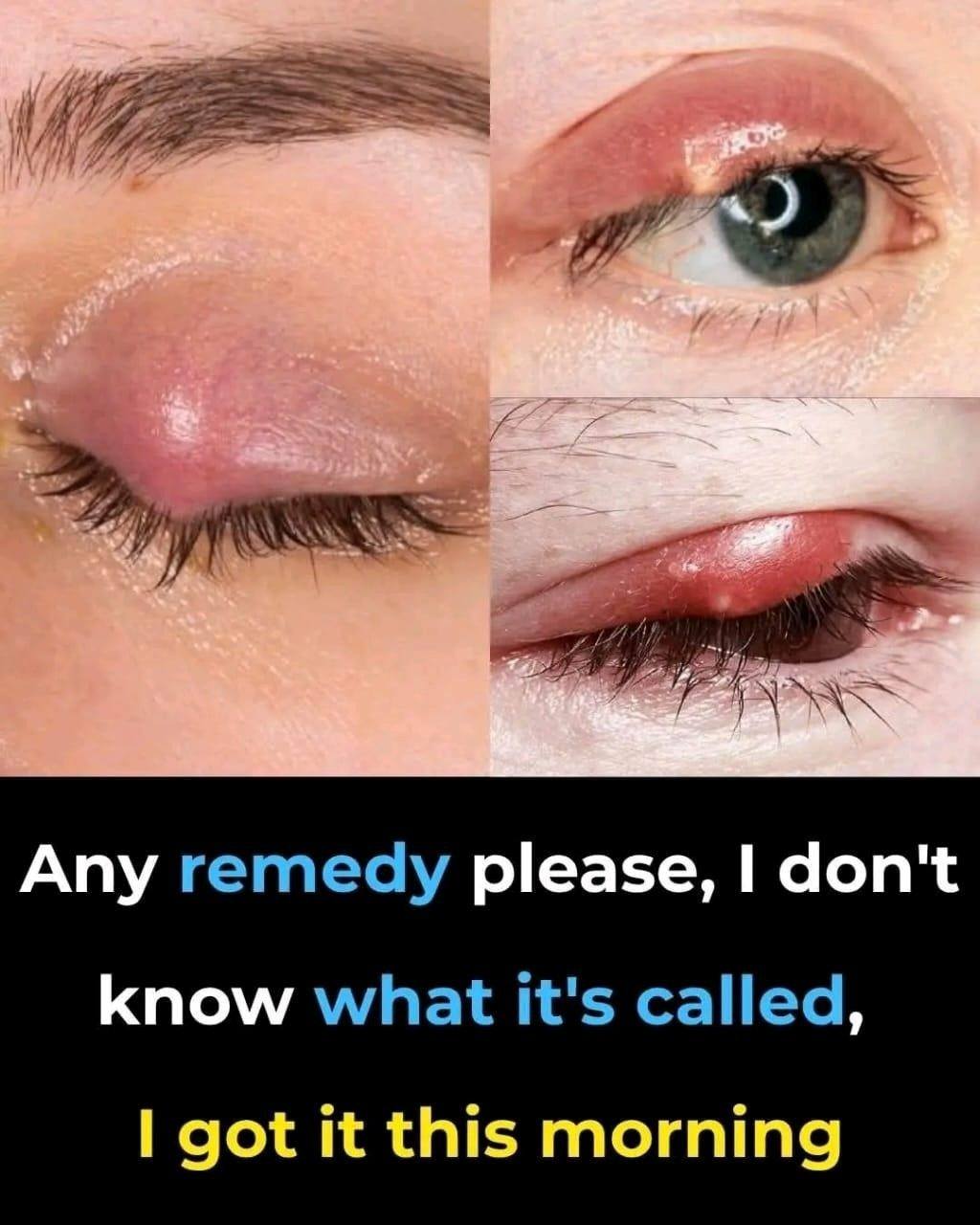
One of the most effective ways to treat a stye is to apply a **warm compress**. Heat helps **increase blood circulation**, encouraging the stye to drain naturally while reducing inflammation.
**How to do it:**
Consistency is key: warm compresses soften the stye and can significantly reduce pain and swelling within a few days.
—
### **2. Gentle Eyelid Hygiene**
Maintaining proper eyelid hygiene is essential to promote healing and prevent reinfection.
**Steps:**
* Wash your hands before touching your eyes.
* Use a mild, tear-free baby shampoo or a commercial eyelid cleanser.
* Gently scrub the eyelid and lash line to remove debris and bacteria.
* Avoid aggressive rubbing or squeezing the stye, which can worsen infection.
Clean eyelids reduce the bacterial load and prevent new styes from forming.
—
It can be tempting to **squeeze a stye**, but doing so can lead to:
* Spread of infection
* Increased swelling and redness
* Formation of a **chalazion**, a more stubborn lump inside the eyelid
Instead, allow the stye to **drain naturally**. Warm compresses encourage this process without causing damage.
—
### **4. Over-the-Counter Pain Relief**
Pain and tenderness are common with styes. Over-the-counter medications can help:
* **Acetaminophen (Tylenol)** or **ibuprofen (Advil, Motrin)** can relieve pain and reduce inflammation.
* **Lubricating eye drops** may soothe irritation, especially if your eyes feel watery or gritty.
—
### **5. Avoid Makeup and Contact Lenses**
While your stye heals, **refrain from using eye makeup or contact lenses**:
* Makeup can introduce bacteria and irritate the stye.
* Contact lenses can trap bacteria and worsen the infection.
Wait until your stye has completely healed before resuming normal use of makeup or contacts.
—
### **6. Optional: Mild Antibiotic Ointments**
In some cases, **over-the-counter antibiotic ointments** (like bacitracin or erythromycin) may be recommended if:
* The stye does not improve within a few days
* There is significant redness or swelling
Always consult a healthcare professional before using antibiotic ointments around the eyes.
—
### **When to See a Doctor**
While most styes improve with home treatment, **medical attention is necessary in certain situations**:
* The stye persists longer than **7–10 days**
* Swelling extends beyond the eyelid
* Vision changes occur, such as blurriness or double vision
* Fever develops, or signs of a more serious infection appear
* Recurrent styes become frequent
In such cases, a doctor may prescribe **oral antibiotics or perform a minor drainage procedure** to prevent complications.
—
## **Preventing Future Styes**
Once your stye heals, preventing recurrence is just as important. Here are effective strategies:
1. **Practice Good Eyelid Hygiene**
* Clean your eyelids daily if prone to styes.
2. **Be Careful With Makeup**
* Avoid sharing makeup and discard old products regularly.
* Remove makeup thoroughly before sleeping.
3. **Avoid Touching Your Eyes**
* Wash hands frequently, especially before applying contact lenses or makeup.
4. **Manage Skin Conditions**
* Treat underlying issues like blepharitis or rosacea that can increase stye risk.
5. **Healthy Lifestyle**
* A balanced diet, proper sleep, and stress management support immune function and reduce infection risk.
—
## **Additional Home Remedies That May Help**
Some natural remedies can complement standard care:
### **1. Tea Bag Compress**
A warm **black tea bag** can reduce inflammation:
* Steep a tea bag in hot water for 1–2 minutes.
* Let it cool slightly, then place over the affected eyelid for 5–10 minutes.
* Repeat 2–3 times a day.
Tea contains **tannins** that may have mild antibacterial and anti-inflammatory properties.
### **2. Aloe Vera**
A small dab of **pure aloe vera gel** may soothe irritation:
* Apply carefully around the eyelid (avoid getting gel into the eye).
* Aloe has anti-inflammatory and healing properties.
### **3. Warm Potato Slice (Traditional Remedy)**
Some cultures use a **thin warm slice of potato** as a compress:
* Heat slightly and place over the eyelid.
* This is believed to draw out toxins and reduce swelling.
While these remedies can be soothing, **they should not replace proper hygiene and medical care** if symptoms worsen.
—
## **How Long Will It Take to Heal?**
With proper home care, most styes resolve in **3–7 days**.
* Swelling and redness usually decrease within 1–2 days of warm compresses.
* Pain tends to improve gradually over several days.
* Complete healing may take up to a week, depending on the size and severity.
Remember, patience is important. Rushing the process or attempting to pop the stye can prolong healing.
—
## **Key Takeaways**
1. **Warm compresses** are the most effective home treatment.
2. **Maintain eyelid hygiene** and avoid touching or squeezing the stye.
3. **Pain relief** with OTC medications is safe and effective.
4. Avoid **makeup and contact lenses** until fully healed.
5. Seek **medical attention** if the stye persists, worsens, or affects vision.
6. Prevent future styes through **good hygiene, careful makeup use, and healthy habits**.
By following these steps, you can treat a painful stye at home in just a few days, minimizing discomfort while promoting faster recovery.
—
### **Final Thoughts**
Styes may be small, but they can cause significant discomfort and disrupt daily life. The good news is that, with simple home remedies and careful hygiene, **most styes heal quickly and safely without medical intervention**.
The key is **patience, consistency, and careful care**. Applying warm compresses, keeping the eyelid clean, and avoiding irritation can make a dramatic difference. Remember, a stye is a temporary inconvenience—not a sign of a serious underlying issue in most cases.
By following this comprehensive approach, you can not only treat your stye effectively but also reduce the likelihood of recurrence, keeping your eyes comfortable, healthy, and clear.
ADVERTISEMENT
