ADVERTISEMENT
Unlike most oversight requests, these subpoenas did not aim at typical bureaucrats or law-enforcement officials. Instead, they targeted two of the most prominent figures in modern American political history. That distinction ensured from the start that the stakes were high — politically, legally, and symbolically.
What Happened: Ignoring Subpoenas and Contempt Preparations
Instead of appearing for depositions, their attorneys offered limited alternatives: Bill Clinton proposed matters like a transcribed interview or a written statement, while Hillary Clinton’s team floated the idea of a sworn written declaration. Committee Chairman Comer flatly rejected those offers — saying that exams outside of sworn depositions failed to satisfy a lawful congressional subpoena.
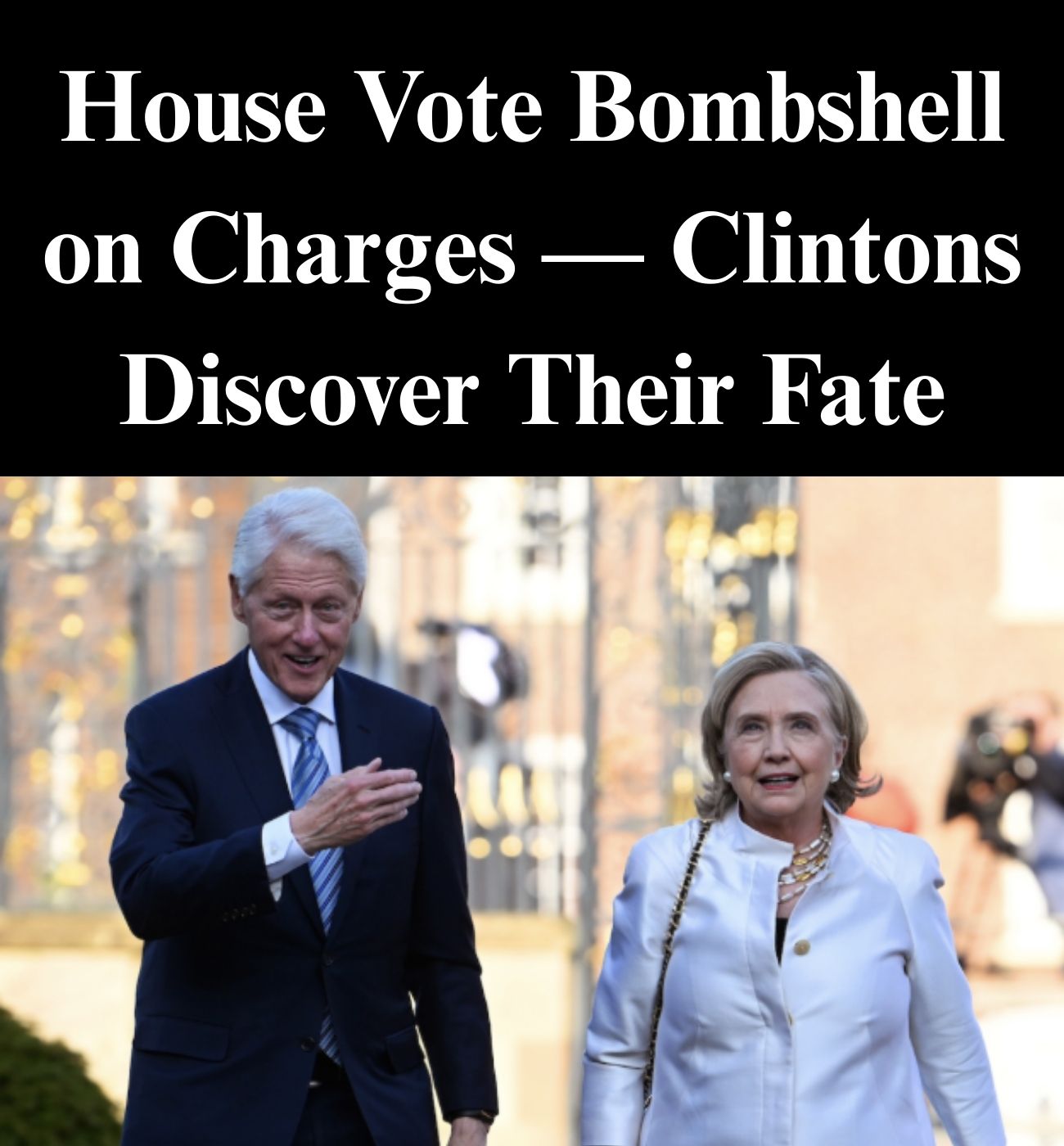
Comer and other committee leaders pressed forward, and in **January 2026 the Oversight Committee voted to advance two resolutions recommending that the full House find both Bill and Hillary Clinton in contempt of Congress for defying their subpoenas. Remarkably, some Democrats on the committee sided with Republicans in supporting the contempt resolutions, underscoring the bipartisan concern over the Clintons’ failure to appear.
The scheduled contempt vote marked a rare and serious escalation: a formal House vote could potentially lead to criminal charges, fines, or even imprisonment if prosecutors pursued the matter and a court agreed — although such outcomes are uncommon and typically symbolic.
The Threat of Contempt: How Serious Is It?
A contempt of Congress vote is not just political theater. It is a constitutional enforcement tool that allows Congress to assert its investigatory powers when individuals refuse to cooperate. Historically, contempt charges have been brought against individuals who defy subpoenas or disrupt congressional business.
For example, senior Trump advisers like Peter Navarro and Steve Bannon were prosecuted and jailed after being found in contempt for refusing to provide testimony in the House investigation of the January 6, 2021, attack on the U.S. Capitol. Those cases underscored that contempt is not merely symbolic — it can have real legal consequences.
In the present case, the House Oversight Committee’s resolutions advanced out of committee and could have gone to the full House for a vote. A conviction on contempt of Congress could involve fines and even incarceration — though enforcement usually requires coordination with the U.S. Department of Justice.
The prospect of a contempt vote — particularly one aimed at a former president and a former secretary of state — was almost unprecedented and raised questions about how far Congress can go in enforcing its subpoenas when powerful figures refuse to appear.
Faced with the looming threat of a formal contempt vote and the legal consequences that could follow, the Clintons apparently shifted course. In the face of mounting pressure from lawmakers and the possibility of political damage, they finally agreed to sit for closed-door depositions later this month in Washington, D.C. — with Hillary Clinton scheduled for February 26 and Bill Clinton for February 27, 2026.
This agreement represents a significant break from months of resistance. According to Oversight Chairman Comer, the Clintons’ eventual acceptance to appear came only after the committee moved to initiate contempt proceedings and the threat became real. Comer characterized the development as an affirmation that “no one is above the law” and insisted the depositions would be recorded, transcribed, and filmed.
House Speaker Mike Johnson also noted that votes on contempt — which once appeared imminent — were effectively put “on pause” after the depositions were agreed upon.
Political Reactions: From Both Sides of the Aisle
The confrontation over subpoenas and contempt generated a torrent of reactions from across the political landscape.
Republican Leadership
Republicans — especially Oversight Chair Comer — framed the battle as a matter of accountability and fairness. Comer stressed that subpoenas are not optional and that compliance with lawful congressional requests is central to the system of checks and balances that underpin U.S. governance.
Democratic Reactions
Democrats were more divided. Some viewed the contempt push as politically driven and overly aggressive — especially given that the Clintons have not been accused of wrongdoing and that the underlying investigation involves a sensitive and technically complex subject. Portions of the Democratic caucus expressed concern that contempt proceedings could harm institutional norms and set a problematic precedent for oversight.
However, as the situation evolved, a number of Democrats broke with leadership and supported contempt resolutions — perhaps reflecting generational divides within the party and a desire among newer members to embrace accountability measures.
Public Voices and Cultural Commentary
Across cable news, social media, and talk platforms, the showdown was widely debated. Some commentators called for full transparency by all political leaders, urging the Clintons to comply without resistance. Others worried that the entire episode had become a political spectacle rather than a sober investigation into Epstein’s crimes and networks.
Notably, voices from outside Congress — including public figures and cultural commentators — weighed in, with many asserting that testimony would bring closure and clarity to many unanswered questions.
Why This Matters: Oversight, Power, and Precedent
This clash is not simply about two individuals. It illuminates broader questions about congressional power and executive accountability in the United States:
1. Enforcement of Congressional Subpoenas
The Jenner of a contempt vote over subpoena compliance underscores enduring questions: When can Congress compel testimony? Where do privileges or immunities begin and end? And what does it mean for former officials — especially presidents — to be subject to congressional authority?
The fact that the Clintons ultimately agreed to testify — after resisting for months — suggests that the threat of contempt still carries real force, even against the most powerful.
2. The Integrity of Oversight
Oversight committees are essential to the legislative branch’s constitutional role of checking the executive branch and scrutinizing public policy. When individuals refuse to comply, it tests whether Congress can enforce its authority or whether political capital can override legal obligations.
3. Bipartisan Dynamics
That some Democrats joined Republicans in advancing contempt resolutions highlights shifting politics around oversight. Younger Democrats in particular appeared more willing to uphold subpoena enforcement without deferential exception for established elites.
4. Public Trust
High-profile standoffs like this can erode or enflame public confidence, depending on the lens through which they are viewed. For some, the episode was evidence that powerful figures must be held to account. For others, it underscored the fierce political polarization shaping Washington.
What Happens Next
With depositions now set, the next few weeks will be defining:
The Clintons’ testimony itself will be scrutinized intensely, particularly for any new revelations about Epstein’s activities or connections.
Republicans and some Democrats will likely evaluate whether the new testimony satisfies the committee’s oversight goals and whether further enforcement actions are necessary.
The political narrative post-deposition will shape 2026 midterm messaging, potentially impacting campaigns, fundraising, and party positioning.
Critically, the resolution of this standoff could influence how future congressional investigations handle high-profile refusal to comply with subpoenas — potentially shaping a legal and political precedent for years to come.
Conclusion: A Chapter in Evolving Oversight Politics
The clash between the House Oversight Committee and Bill and Hillary Clinton marks one of the most remarkable episodes of congressional oversight in recent memory. What began as a routine subpoena for testimony in an investigation expanded into a high-stakes showdown over congressional authority, accountability, and political norms.
That the Clintons ultimately agreed to testify — under the pressure of a looming contempt vote — signals the persisting power of Congress to enforce compliance. But it also highlights the contentious, polarized terrain in which these fights happen today. Oversight, like much else in Washington, is now deeply intertwined with political strategy, public perception, and constitutional boundaries.
As the American public and the world watch the Clintons’ upcoming testimony, one thing is clear: this moment will be studied as a defining case of congressional power, political resistance, and the evolving rules of accountability in 21st-century American governance.
ADVERTISEMENT
