ADVERTISEMENT
Large cookware used only on special occasions
Preserved foods or sealed containers
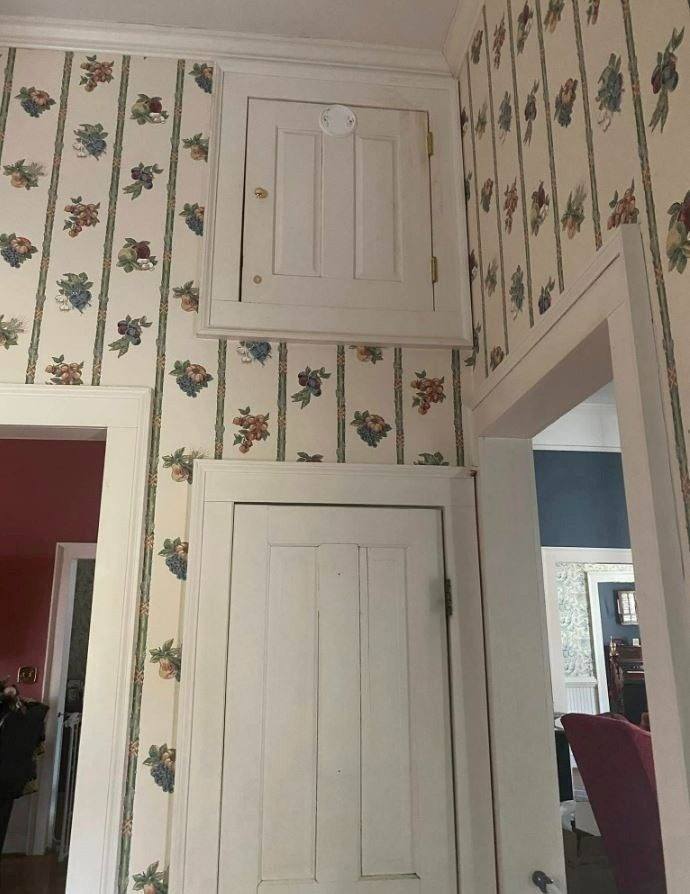
Why High Cabinets Fell Out of Favor
So how did we get here—where high cabinets are often criticized or underused?
Several cultural and design shifts played a role:
🏠 Larger Homes, More Closets
As homes expanded, basements, walk-in pantries, and dedicated storage rooms replaced the need for vertical cabinet storage.
🧑🍳 The Rise of Convenience
Modern kitchens prioritize speed and accessibility. Anything that requires a step stool feels inefficient.
🎨 Aesthetic Trends
🧰 Poor Planning
In many newer builds, high cabinets are added without a clear purpose, making them feel awkward rather than intentional.
But none of these changes make high cabinets useless. They just require a different mindset.
The Hidden Opportunity: Vertical Storage Done Right
When used intentionally, high cabinets offer benefits that few other storage solutions can match.
✅ They free up prime real estate
By storing rarely used items up high, you keep everyday cabinets uncluttered and efficient.
Less handling means less wear, breakage, or loss.
✅ They reduce visual clutter
High cabinets hide bulk, creating cleaner sightlines and calmer spaces.
✅ They maximize space without expanding footprint
Especially valuable in apartments, older homes, and small kitchens.
In other words, high cabinets are not outdated—they’re just misunderstood.
Reimagining High Cabinets Room by Room
Let’s talk about how high cabinets can actually work in modern homes.
In the Kitchen: The Culinary Time Capsule
High kitchen cabinets shine when used for items you love—but don’t need every day.
Perfect candidates include:
Holiday or special-occasion dishware
Oversized roasting pans or stockpots
Specialty appliances (ice cream makers, dehydrators)
Bulk pantry backups in sealed containers
Recipe books or family cookbooks
Pro tip: Group items by occasion, not category. A “holiday cooking” zone is more intuitive than scattering items throughout the kitchen.
In the Bathroom: Safe, Smart, and Subtle
High cabinets in bathrooms were historically used to keep items safe and dry.
Great uses today:
Extra towels and linens
First-aid kits or medications (especially in homes with kids)
Backup toiletries bought in bulk
Hair tools or grooming devices
Using labeled bins makes retrieval easy—even from a step stool.
In Hallways and Entryways: The Forgotten Zone
High cabinets near entryways or corridors are often overlooked, but they’re perfect for:
Seasonal gear (hats, gloves, scarves)
Luggage and travel accessories
Emergency supplies
Documents or household records
This keeps closets free for daily use while maintaining easy access when needed.
In Living Spaces: Hidden Storage with Style
In older homes, living room high cabinets were common for books, games, and valuables.
Modern versions can store:
Board games and puzzles
Photo albums and memory boxes
Tech accessories and cables
Decorative items rotated seasonally
With the right doors, these cabinets blend seamlessly into the room.
The Twist: High Cabinets as Intentional Design
Here’s where the magic happens.
High cabinets don’t just store things—they can change how a space feels.
🎭 They create visual balance
Extending cabinetry upward draws the eye vertically, making ceilings feel higher and rooms more polished.
🧩 They hide “ugly necessities”
Think bulk paper goods, cleaning supplies, or storage bins—out of sight, out of mind.
🕯️ They allow for curated lower spaces
When clutter moves upward, countertops and shelves become calmer and more intentional.
Designers are increasingly returning to full-height cabinetry for this exact reason: it brings order without sacrificing beauty.
Making High Cabinets Functional Again
If you’re ready to reclaim your high cabinets, here’s how to do it right.
🪜 Use the Right Tools
A sturdy step stool or fold-away ladder
Pull-down shelving mechanisms
Soft-close doors to prevent accidents
🧺 Organize for Visibility
Clear bins
Labels on every container
Group items by function or occasion
🧠 Store by Frequency, Not Convenience
Ask: How often do I actually need this?
If the answer is “a few times a year,” it belongs up high.
📦 Avoid Overloading
High cabinets aren’t meant for constant rearranging. Keep them stable and intentional.
What Not to Store Up High
Not everything belongs in a high cabinet.
Avoid storing:
Daily-use items
Heavy objects that are hard to lift
Items needed in emergencies
Things you forget exist entirely
High cabinets should support your life—not complicate it.
Why This Forgotten Function Matters Today
In a world obsessed with decluttering, minimalism, and “tiny living,” high cabinets offer a surprisingly modern solution.
They allow us to:
Own what we need without visual chaos
Preserve meaningful items without crowding daily spaces
Use every inch of our homes intelligently
The problem was never the cabinets—it was forgetting what they were meant to do.
Conclusion: Look Up Before You Give Up
High cabinets aren’t obsolete. They’re underutilized.
When you stop trying to make them something they were never designed to be—and instead embrace their original function—high cabinets become one of the most powerful storage tools in your home.
So before you remove them, ignore them, or stuff them with randomness, look up and ask:
What could this space do if I used it intentionally?
You might discover that the most overlooked storage in your home has been hiding its true potential all along.
ADVERTISEMENT
