ADVERTISEMENT
2. Federal Allegations of Obstruction
Federal authorities have framed this investigation as a check against what they see as possible interference with law enforcement. The subpoenaed officials have made public statements critical of ICE’s operations, questioned federal tactics, and supported litigation seeking to limit or halt certain elements of federal enforcement activity.
3. Statute of Concern
Legal analysts have noted that the statute driving the inquiry may be 18 U.S.C. § 372, a law that makes it a crime for “two or more persons to conspire to prevent, by force, intimidation, or threat, any officer of the United States from discharging any duties.” This is the same statute used in prosecuting participants in the January 6, 2021, United States Capitol riot.
Reactions from Minnesota Leaders
The subpoenas prompted strong pushback from the subpoenaed officials and their allies:
1. Governor Walz’s Response
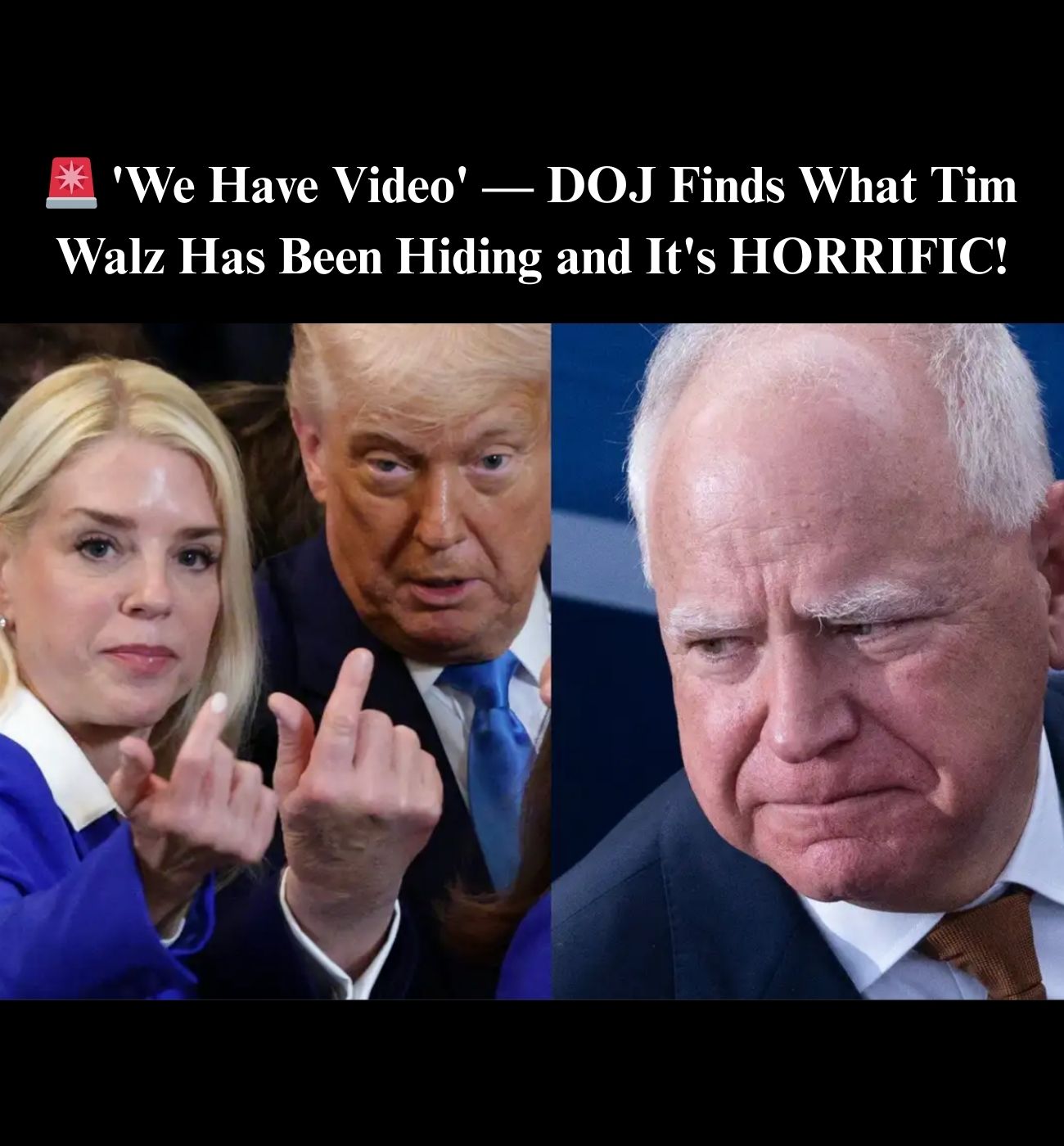
Governor Walz condemned the subpoenas as politically motivated and an attempt to distract from pressing public safety concerns. He characterized the investigation as a “partisan distraction” that diverts federal attention from efforts to restore trust, safety, and order in Minnesota — particularly after the tragic death of Renée Good. In a statement, Walz asserted that the federal government should focus on accountability and public safety rather than launching legal tactics against local leaders.
2. Mayors’ Statements
Minneapolis Mayor Jacob Frey and St. Paul Mayor Kaohly Her both pushed back on the subpoenas, arguing that local leaders should not be intimidated for speaking on behalf of their communities. Frey said that Minnesota should not “live in a country where people fear that federal law enforcement will be used to play politics or crack down on local voices they disagree with.”
3. Attorney General Ellison
Attorney General Keith Ellison framed the subpoenas as part of a broader attempt to retaliate against Minnesota officials who have challenged federal immigration enforcement. Ellison stated that the subpoena sought documents and records but did not target him personally in a punitive manner.
Collectively, Minnesota Democrats argue that the subpoenas are an overreach — using federal investigative tools against elected officials for expressing policy positions and advocating on behalf of their constituents.
Criticism and Claims of “Weaponization”
Across local and national discourse, the subpoenas have ignited debate over whether the DOJ is engaging in weaponization of the justice system — a phrase repeatedly used by Minnesota officials.
Supporters of this view argue that:
Federal authorities are essentially criminalizing political speech and policy disagreement.
The probe diverts resources away from investigations into violent crime and public safety needs.
The timing, especially after the controversial ICE operation and the council’s lawsuit, suggests retaliation rather than legitimate law enforcement interest.
Critics of the subpoenas also point out that legal experts have described the DOJ’s focus as “highly unusual” and questioned whether mere speech or criticism can legally constitute obstruction under the statute cited by prosecutors.
Federal Government Rationale
From the federal government’s perspective, the subpoenas are part of a lawful investigative step to ascertain whether Minnesota officials crossed the line from protected speech or policy disagreement into actions that could have unlawfully influenced or impeded federal law enforcement operations.
Justice officials have not publicly detailed the scope of the evidence they seek or the conclusions they hope to draw — typical of ongoing, grand jury investigations — but the issuance of subpoenas indicates that federal prosecutors believe there are documents or communications relevant to possible criminal statutes.
While some see this as an extension of federal power, supporters of the DOJ position argue that elected officials cannot use their platforms or state authority to interfere with federal laws being carried out by properly authorized agents.
The Broader Political Flashpoint
The conflict over these subpoenas has quickly become a political flashpoint in broader national debates over immigration enforcement, federalism, and the rule of law:
The confrontation in Minnesota reflects heightened tensions over the Trump administration’s crackdown on immigration, which has seen expanded ICE and Border Patrol activity in cities across the country.
The subpoena action has been interpreted by some as part of a pattern of politically charged investigations involving federal agencies and opponents of administration policy.
Conversely, others see it as a necessary check on local leaders who appear to be opposing federal enforcement in ways that may stray into legal jeopardy.
Polarization around these issues has amplified media coverage and public commentary, turning what might otherwise be an obscure legal investigation into a high-profile political narrative.
Legal and Constitutional Questions
Several legal and constitutional questions have emerged in response to the subpoenas:
First Amendment Protections
A central issue is whether public statements made by elected officials — even if critical of federal enforcement — are protected by the First Amendment, and therefore cannot be a basis for criminal prosecution or grand jury inquiry. Many legal analysts suggest that criticism or advocacy against federal policy cannot logically equate to obstruction, absent evidence of concrete actions that materially interfered with law enforcement functions.
State vs. Federal Jurisdiction
The subpoenas raise questions about state sovereignty versus federal authority — particularly when state or local officials assert that federal actions infringe on their ability to govern or protect their communities. Determining the line between lawful policy disagreement and unlawful obstruction is legally complex and will likely require judicial clarification.
Use of Conspiracy Statutes
Using a conspiracy statute (18 U.S.C. § 372) in this context may be seen as a stretch by critics, since that law traditionally applies to agreements to use force or intimidation to prevent officers from discharging duties — not to statements or policies, absent explicit evidence of coordination to intimidate or coerce.
Public Impact and National Reaction
The subpoenas have resonated far beyond Minnesota, drawing reactions from a wide spectrum of media, advocacy groups, political leaders, and constitutional scholars:
Some civil liberties advocates worry that the investigation sets a chilling precedent for political speech.
Conservatives supportive of federal enforcement praise the DOJ’s assertion of authority.
Legal experts emphasize the importance of separating legitimate political advocacy from unlawful obstruction.
Public opinion is sharply divided — reflecting broader national polarization around immigration and law enforcement. The saga in Minnesota is therefore not only a local legal issue, but a symbolic battleground for larger questions about governance, accountability, and federal-state relations.
What Happens Next
As this is an ongoing grand jury probe, several key developments could unfold:
Compliance or Legal Challenges — The subpoenaed officials may comply or challenge the subpoenas in court, arguing they are overly broad, unconstitutional, or politically motivated.
Grand Jury Proceedings — The grand jury may seek testimony and documents to determine whether to bring charges.
Judicial Oversight — Courts may be asked to intervene on issues such as subpoena scope, privilege, or First Amendment protections.
Political Fallout — Regardless of legal outcomes, the situation will likely continue to be a flashpoint in national immigration and federal oversight debates.
Conclusion: A Test of Law, Politics, and Power
The DOJ’s subpoenas of Governor Tim Walz and other Minnesota Democrats in the ICE obstruction probe represent a rare and consequential clash between federal law enforcement and elected state and local leaders. At its core, the situation raises deep questions about:
how far federal authority can extend,
what constitutes lawful political advocacy,
and how accountability is balanced with constitutional protections.
As the investigation proceeds, its legal, political, and constitutional implications will continue to be closely watched — not just in Minnesota, but across the nation. In a moment of intense national polarization, this episode encapsulates enduring tensions over immigration policy, federal power, and the limits of dissent in a democratic society.
ADVERTISEMENT
