ADVERTISEMENT
That investigation ultimately led to the appointment of Special Counsel Robert Mueller, whose 2019 report confirmed extensive Russian interference — including hacking and influence operations — while not establishing a criminal conspiracy between Trump’s campaign and Russia.
In the years that followed, other inquiries — including the Durham investigation and bipartisan probes by the Senate Intelligence Committee — examined how those investigations were conducted, but they did not produce criminal charges tied to general intelligence assessments.
3. The Trigger: Declassified Intelligence and Gabbard’s Referral
In mid-2025, Director of National Intelligence Tulsi Gabbard declassified documents she said cast new light on how intelligence about Russia’s activities was presented publicly in 2016 and 2017. According to reports, these declassified materials suggested that key intelligence assessments — including an intelligence community assessment (ICA) — emphasized Russian interference and stated it did not affect vote tallies, but were interpreted politically in ways that harmed Trump’s legitimacy.
Gabbard’s referral alleged that Obama-era officials essentially manufactured or exaggerated narratives to link Trump to Russia for political ends — accusations she described in extremely sharp terms. Her referral asked the Justice Department to consider whether such conduct amounted to criminal wrongdoing.
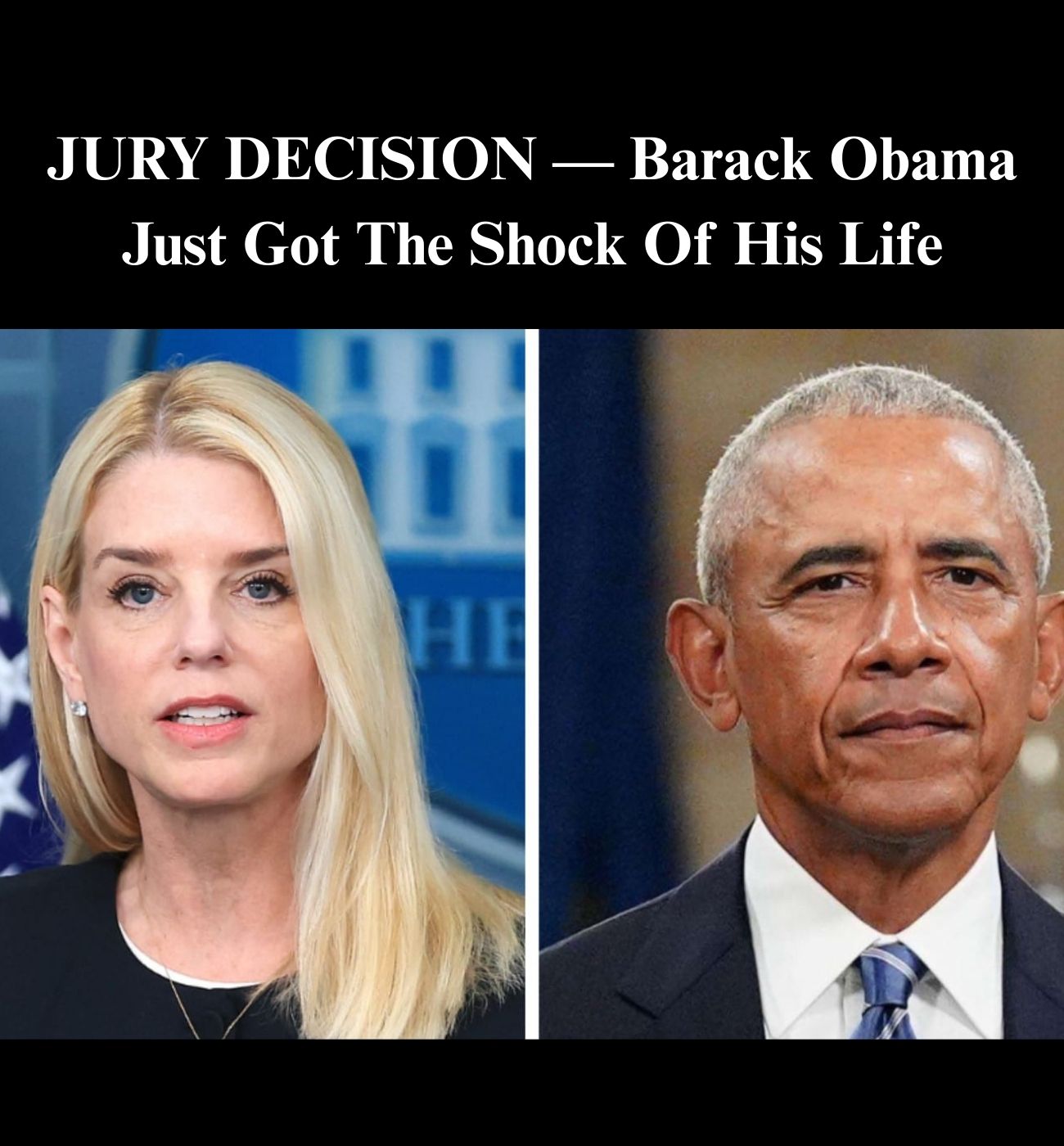
Bondi then instructed prosecutors to present evidence to a grand jury — a procedural step that makes it possible to seek indictments if the grand jury finds probable cause — and thus advancing the matter beyond political debate into a formal legal forum.
4. What the Grand Jury Can Do — and What It’s Not Doing Yet
It’s important to clarify what the grand jury directive means — and what it doesn’t.
A grand jury may investigate, subpoena witnesses, and review evidence. But it does not by itself mean indictments will be issued, nor does it imply that any specific individual has been charged. Prosecutors present evidence, and the grand jury votes on whether there’s sufficient basis for an indictment.
As of the latest reporting, the Department of Justice had not publicly detailed who might be targeted, what potential charges could arise, or whether statute-of-limitations issues would prevent prosecution. The rollout of the probe was, in that sense, more procedural than evidentiary.
The reaction to the grand jury move has largely followed partisan lines.
Support From Trump Allies
Former President Donald Trump and many of his supporters welcomed the development. Trump publicly said he was “happy to hear” about the investigation and claimed that Obama-era officials and intelligence figures “deserve it,” tying the grand jury probe to longstanding grievances about alleged bias and unfair treatment of his presidency.
Bondi and her allies have framed the action as delivering accountability and “leaving no stone unturned,” saying the probe aims to expose potential misconduct in how intelligence assessments were shaped and used politically.
Criticism From Obama Allies and Other Observers
Former Obama administration officials and defenders have harshly rejected the allegations. Statements from Obama’s camp described the claims as “bizarre,” “outrageous,” and a weak distraction from other national priorities. They argue that intelligence assessments underwent rigorous and bipartisan review — including by congressional committees — and that Russian interference is well-documented and real.
Legal experts and former prosecutors have also questioned the legitimacy of the probe, noting that previous investigations — including bipartisan ones — did not find criminal conduct, and that politicizing intelligence issues in this way may undermine trust in institutions.
At the heart of this controversy is a broader debate: How should intelligence findings be communicated, understood, and debated in a highly partisan political environment?
For many Americans, the Trump-Russia saga has become a symbol of how polarized politics can warp perceptions of truth and institutional integrity. Decades of investigations, public reports, media coverage, and official statements have yielded deeply conflicting interpretations of the same historical events.
Supporters of the grand jury probe argue that it represents overdue scrutiny of intelligence practices and alleged abuses. Opponents contend that it revives debunked conspiracy theories and weaponizes the Justice Department for political ends.
This dynamic highlights how deeply contested narratives about government, national security, and political legitimacy have become central to American public life.
7. Legal and Practical Challenges Ahead
Even if the grand jury convenes and hears evidence, numerous legal obstacles could limit any potential outcomes:
Statute of Limitations: Many alleged actions date back nearly a decade, raising questions about whether prosecutors can bring charges unless they argue there was an ongoing conspiracy that extended beyond earlier limits.
Burden of Proof: Prosecutors must meet legal standards of evidence to show criminal conduct — a much higher bar than political disagreement or policy mistakes.
Grand Jury Discretion: Grand juries are often presented only one side of an argument by prosecutors, but they can also choose not to indict if they find the evidence insufficient.
Given these challenges, some legal observers view the grand jury move as more symbolic — a way to signal seriousness about political grievances — than a clear path to prosecution.
8. Implications for Public Trust and Future Politics
Regardless of legal outcomes, the grand jury probe into Obama-era officials represents a significant moment in American political history.
On one level, it reflects continuing distrust in government institutions — with different parts of the country viewing the same intelligence reports and investigations through radically different lenses.
On another level, it underscores the risk of judicial and investigative tools being used in highly partisan contexts. When grand juries and federal prosecutors become instruments in political fights, the public’s confidence in impartial justice may erode.
Finally, this development arrives at a time of intense political competition leading into the 2026 midterm elections, meaning its effects could shape campaign messaging, voter attitudes, and broader national debates for months or even years to come.
9. Conclusion: A Defining Chapter in a Long Story
The grand jury advancement directed by Pam Bondi represents a dramatic chapter in the long, winding saga surrounding the 2016 election and the investigations that followed. Whether the probe ultimately leads to indictments — or ends without legal consequences — it has already amplified fundamental disagreements about American politics, national security, and the role of federal institutions.
At its core, this story is less about any single document or allegation and more about how competing narratives of truth, power, and accountability continue to shape the United States. In an era of deep polarization, the pursuit of clarity — and consensus — remains as elusive as ever.
ADVERTISEMENT
