ADVERTISEMENT
The Surprising Reason Some Boarding Passes Show “SSSS”
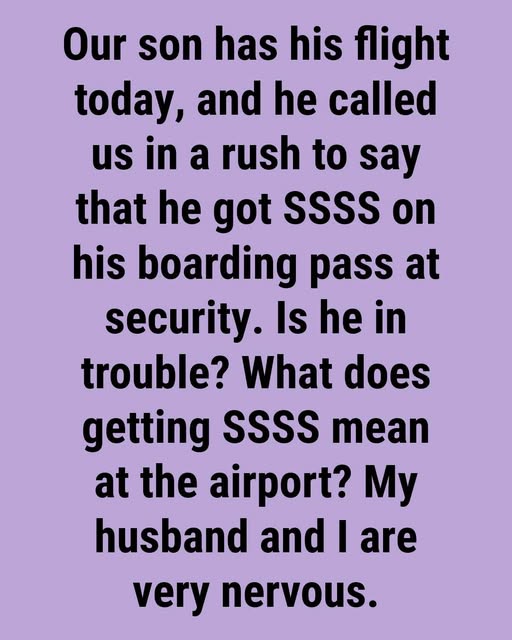
If you’ve ever glanced at your boarding pass and noticed the mysterious letters “SSSS” printed on it, you’re not alone—and you’re definitely not imagining things. For many travelers, seeing those four letters sparks confusion, anxiety, or even panic. Do they mean you’re in trouble? On a watchlist? About to miss your flight?
“SSSS” stands for Secondary Security Screening Selection, and while it doesn’t mean you’ve done anything wrong, it does signal that your travel experience is about to include some extra steps. What surprises most people isn’t just what SSSS means, but why it happens, who gets selected, and how random—or not—it really is.
Let’s unpack the mystery behind SSSS, why it appears on boarding passes, what happens when you see it, and what experts say you can (and can’t) do about it.
What Does “SSSS” Actually Mean?
SSSS is a designation used by the Transportation Security Administration (TSA) and related international security agencies. It indicates that a passenger has been selected for additional screening beyond standard airport security.
This screening usually takes place:
At the security checkpoint
At the departure gate
Or sometimes both
A more thorough inspection of your carry-on items
Additional pat-downs or body scanning
Swabbing of electronics for explosive residue
Extra questioning about your travel plans
While it can feel intrusive or stressful, the process is administrative—not punitive.
The Surprising Part: It’s Not Always About Risk
Many travelers assume SSSS means they’re considered suspicious. In reality, being flagged often has little to do with wrongdoing.
Automated algorithms
Travel patterns
Randomized security protocols
Incomplete passenger information
In other words, you don’t need to do anything wrong to be selected. In fact, some of the most common triggers are surprisingly mundane.
Common Reasons You Might See “SSSS”
1. One-Way or Last-Minute Tickets
Buying a one-way ticket—especially internationally—or booking close to departure time can raise flags. These behaviors are common among travelers, but they’re also associated (statistically) with higher-risk scenarios, which is why algorithms sometimes select them for extra screening.
2. Paying in Cash or Unusual Payment Methods
Using cash, gift cards, or third-party bookings instead of a credit card can result in closer scrutiny, especially for international travel.
3. Incomplete Passenger Information
If your reservation is missing key data—such as:
A middle name that appears on your ID
Correct passport details
Continue reading…
ADVERTISEMENT
