ADVERTISEMENT
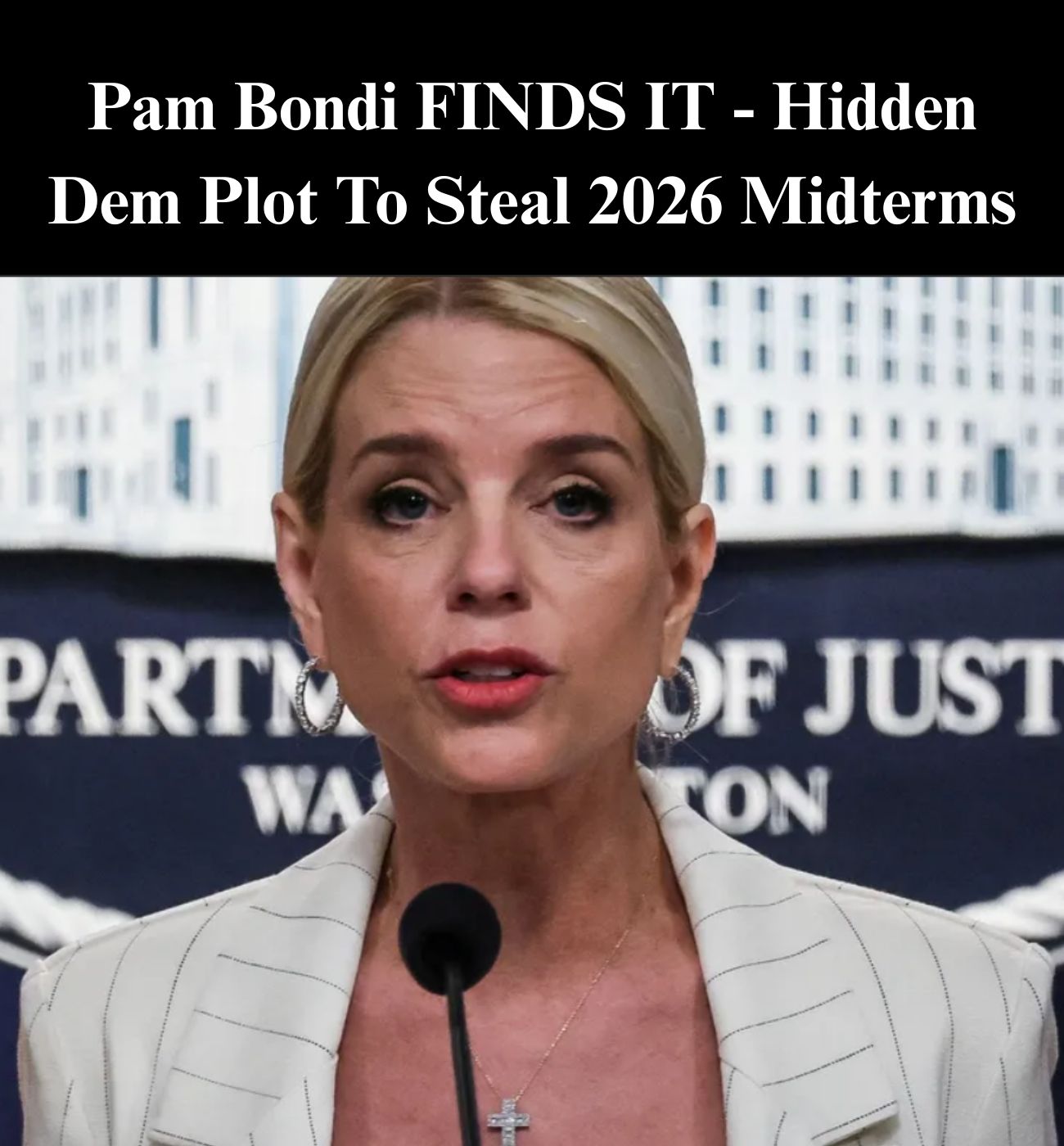
DOJ Launches Lawsuits Against States, D.C. Over Election Records: A Deep Dive Into the Controversy
In early 2026, the U.S. Department of Justice (DOJ) dramatically escalated its legal campaign targeting states and Washington, D.C. — filing a wave of federal lawsuits demanding access to detailed election records and unredacted voter registration data. What began as federal requests under longstanding election law has morphed into one of the most consequential legal and political flashpoints in recent U.S. history. The controversy cuts to the heart of election integrity, privacy, federalism, and partisan polarization, raising profound questions about how American elections are administered in the digital age.
What’s happening isn’t just a legal battle — it’s a power struggle over the future of American democracy.
What the DOJ Is Demanding — and Why
Historically, the federal government has had limited authority to oversee state-run elections beyond ensuring compliance with federal statutes like the National Voter Registration Act (NVRA) and the Help America Vote Act (HAVA). These laws require states to maintain accurate voter registration lists and prohibit discriminatory practices, but they do not explicitly empower the federal government to commandeer full voter files.
The DOJ’s lawsuits argue that states are violating these federal election laws by refusing to produce complete, unredacted voter registration lists. According to DOJ filings, accurate voter rolls are critical to ensuring that elections run fairly and without fraud or abuse, and the federal government asserts that it must inspect such records to enforce compliance.
Assistant Attorney General Harmeet Dhillon — the top official leading these efforts — has repeatedly emphasized the department’s view that federal laws give the DOJ the authority to demand election records to “ensure compliance, integrity, and accurate elections.”
But here’s the key point: many election law experts and state officials dispute the DOJ’s legal basis. Critics say existing statutes do not grant the federal government the sweeping power it claims, especially to access sensitive personal information that states, under privacy laws, are prohibited from sharing publicly.
A Nationwide Campaign: States and D.C. in the Crosshairs
As of early 2026, the DOJ has filed lawsuits against at least 24 states plus Washington, D.C., demanding voter registration lists and related election data.
Continue reading…
ADVERTISEMENT
