ADVERTISEMENT
New Evidence and Conflicting Narratives: The Minneapolis ICE Shooting of Renee Good
On January 7, 2026, a routine morning street in South Minneapolis turned into a flashpoint in a national debate about immigration enforcement, police use of force, federal power, and community trust. That day, 37-year-old Renee Nicole Good, a U.S. citizen and mother of three, was shot and killed by an agent of U.S. Immigration and Customs Enforcement (ICE) during a federal law-enforcement operation — a shooting that quickly ignited protests, political clashes, and intense scrutiny over whether justice would be served.
The Incident: What Happened on January 7
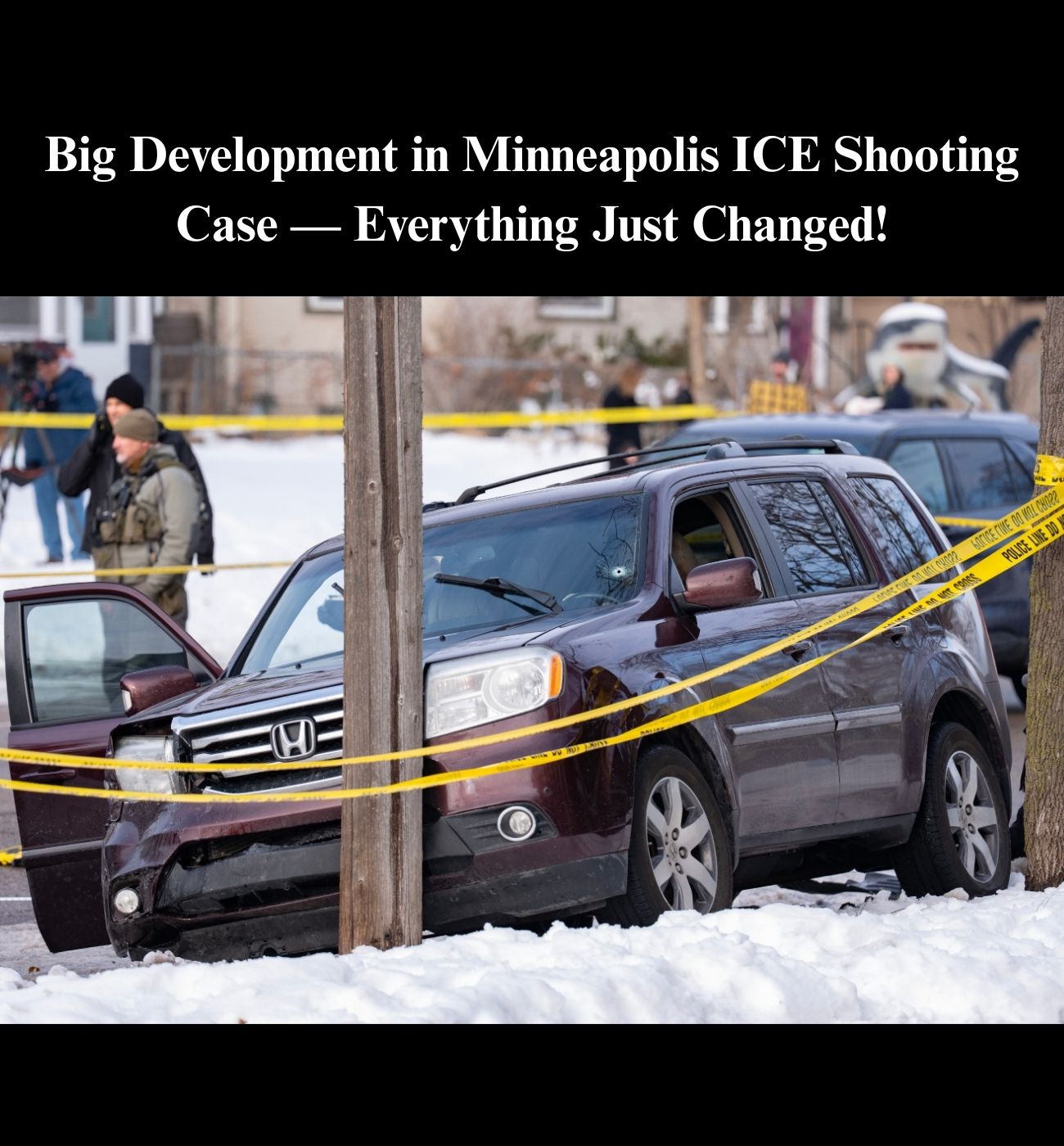
Renee Good was driving her maroon Honda Pilot in her neighborhood shortly after dropping her young child at school, when she encountered a group of ICE agents whose vehicle had become stuck in the snow as they were returning from an enforcement action. Some neighbors were already watching the scene unfold. Good stopped her vehicle near the agents — described by local leaders as acting as a “legal observer” to support people in the community.
Multiple videos from that day — including cellphone footage from bystanders and, critically, a clip apparently recorded by the ICE agent himself — show varying perspectives of the encounter. In the cellphone video attributed to the agent, he is seen approaching Good’s vehicle, filming the license plate, and engaging in a brief exchange with Good, who says “That’s fine, dude, I’m not mad at you.”
At some point during the interaction, another agent ordered Good to exit her vehicle. She briefly reversed, then appeared to put the car in gear and drive forward. Immediately afterward, three shots were fired by the ICE agent, striking her.
The vehicle continued down the street and crashed. Emergency responders later found Good unresponsive; she was pronounced dead at a local hospital.
The “New Evidence”: What Footage Shows and Doesn’t Show
In the aftermath, different video clips have circulated — some showing the moments before the shooting from various angles, including one from the agent’s own cellphone. Some commentators have seized on this footage to argue it supports the federal narrative that the agent acted in self-defense because Good “weaponized” her vehicle.
For example:
Another video from the agent’s perspective shows Good attempting to drive away as shots sound.
Continue reading…
ADVERTISEMENT
