ADVERTISEMENT
DHS Rips the Doxing of Agents Involved in the Alex Pretti Shooting: Why It Matters, What It Says About Trust, and Where the Debate Is Headed
In late January 2026, the fatal shooting of Alex Pretti, a Minneapolis resident and Veterans Affairs ICU nurse, by federal immigration officers sparked national outrage, widespread protests, and intense media scrutiny. The debate surrounding this tragic incident has extended far beyond the streets of Minneapolis and into wider conversations about how law enforcement can—and should—operate in public, especially when actions result in civilian deaths. One particularly contentious aspect has been the doxing of federal agents involved in the encounter, prompting the Department of Homeland Security (DHS) to issue a forceful condemnation of such actions.
The Incident That Sparked It All: The Killing of Alex Pretti
On January 24, 2026, Alex Pretti, a 37-year-old ICU nurse, was killed during a confrontation with federal immigration agents in Minneapolis. The operation was part of a broader surge of immigration enforcement activities.
According to official DHS reporting, two federal officers fired their weapons during the encounter, though the agency did not initially release clear details about the circumstances and left out identifying the officers involved. The encounter escalated after agents attempted to take Pretti into custody, leading to physical struggle and shots being fired. DHS’s initial narrative characterized the situation as defensive, stating that Pretti had “approached U.S. Border Patrol officers with a handgun” and that agents fired “defensive shots.” However, that account has been challenged by videos captured by bystanders, which appear to show Pretti holding a phone moments before he was subdued and shot. The gun — legally owned with a Minnesota permit — was reportedly taken from his person before many of the shots were fired.
What makes this particular case unique — and politically explosive — is that it followed a preceding fatal shooting in Minneapolis of Renée Good, a 37-year-old mother of three, by an ICE agent earlier in January. The close timing and similarity of the events intensified scrutiny of federal immigration enforcement tactics and raised new questions about when and how lethal force should be used.
Why the Doxing Debate Exploded
In the days after Pretti’s death, ProPublica — a nonprofit investigative outlet — reported the identities of the two federal immigration agents alleged to have fired the shots that killed him. The agents were named as Jesus “Jesse” Ochoa and Raymundo Gutierrez, both assigned to U.S. Customs and Border Protection (CBP) as part of an enforcement operation.
This identification set off a fierce reaction from DHS. In a formal statement regarding agency policy on releasing agents’ identities, DHS said it would “never confirm or deny attempts to dox our law enforcement officers” — asserting that publishing such personal details endangers the lives of agents and their families. The statement described agents as operating “on the frontlines arresting terrorists, gang members, murderers, pedophiles, and rapists” and warned that harmful rhetoric and doxing place them at risk from violent extremists and hostile actors.
The department pointed to an alleged spike in threats against officers — including a reported 8,000% increase in death threats and thousands of assaults — as evidence that personal data exposure can have real, dangerous consequences.
From the DHS standpoint, shielding the identities of law enforcement officers is a matter of safety — both for the agents themselves and their families. The department’s official policy emphasizes that releasing personal information about agents involved in sensitive operations can expose them to harassment, violence, identity theft, doxing campaigns, and broader threats from those hostile to federal law enforcement.
DHS’s position is not unique to immigration enforcement. Many police departments and federal agencies have similar policies regarding anonymity in high-risk operations. Advocates of this view argue that officers should be able to perform their duties without fear of reprisal outside of legal accountability procedures. This argument holds particular weight where volatile social media narratives can rapidly mobilize groups who harbor deep animosity toward law enforcement.
Supporters of this protective approach argue that exposing agents’ personal details online — even in the name of transparency — crosses a line when it moves into active endangerment of lives and family privacy.
Transparency Advocates: Public Accountability Comes First
On the other side of the debate, journalists, civil rights groups, and many activists argue that accountability requires transparency — especially in cases where government agents kill a civilian. Investigative outlets like ProPublica argue that identifying the officers involved allows for public scrutiny and ensures that investigations into use of force are not conducted in secrecy. They point out that withholding identities, particularly when a public shooting has occurred, deviates from standard law enforcement protocols used in many local police departments and can shield officials from necessary civilian oversight.
Public accountability advocates also stress that excessive secrecy tends to erode trust in government institutions. When agencies like DHS are seen as withholding information, particularly in controversial cases with competing narratives, many members of the public conclude that authorities are more interested in protecting their own than in delivering justice. This sentiment has been fueled by the fact that multiple videos contradict early official statements, raising questions about accuracy and motives.
Moreover, the debate is complicated by the reality that federal agents often operate without the same level of public oversight as local police — particularly in immigration enforcement missions that have expanded rapidly in recent years. Critics argue that transparency is an essential antidote to unchecked power, not a threat to safety.
The clash over doxing also raises broader legal and ethical questions about privacy versus the right of the public to know.
In the U.S., recording police and federal agents in public spaces is generally protected under the First Amendment, and courts have repeatedly upheld the legality of documenting law enforcement activities. This includes videos, photos, and citizen journalism. However, the publication of personal data — such as home addresses or family information — moves beyond simply documenting public conduct and into exposing private individuals to risk.
Doxing — which broadly refers to the act of publishing private or identifying information about someone online — is not only ethically contentious but in many cases illegal. Many jurisdictions have laws against non-consensual dissemination of personal details for malicious purposes. Thus, even as public debate rages, the legality of various actions taken by third parties is a separate legal issue that could lead to prosecutions if doxing is conducted unlawfully.
Yet, when investigative journalists compile and publish identities based on public records or official documents without malicious intent, the line becomes blurry. News organizations argue that their role is to inform the public, not to incite harm. This distinction between journalism and malicious doxing is at the heart of the legal and ethical quagmire.
Political Repercussions and Broader Public Trust
The doxing debate doesn’t exist in a vacuum — it’s embedded within a broader political landscape marked by intense polarization over immigration policy, federal authority, and law enforcement accountability.
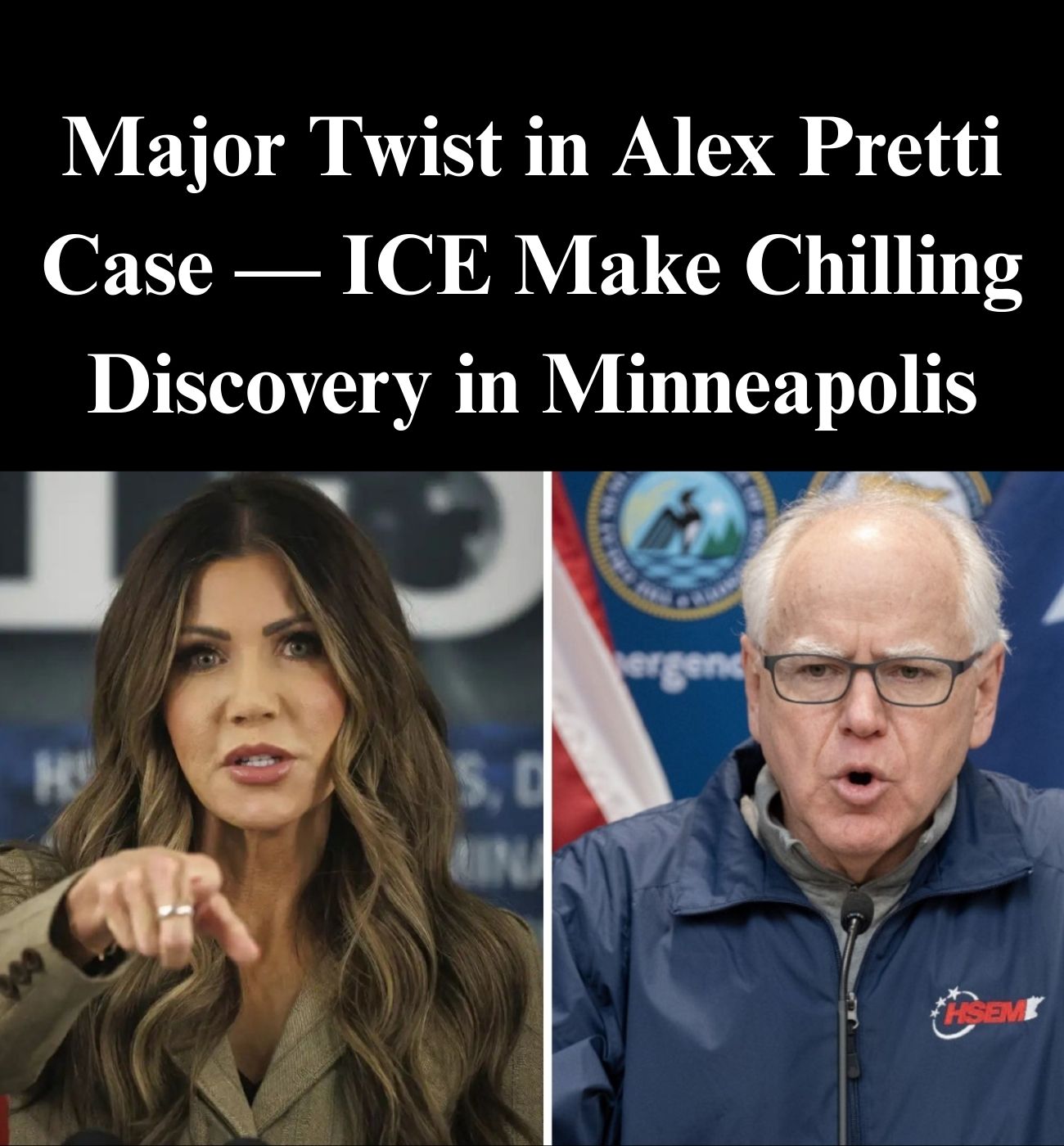
The Minneapolis shootings and the subsequent public response have put enormous pressure on both DHS and the wider Trump administration’s immigration enforcement strategy. Calls for body-camera usage, independent investigations, and policy reforms have come from lawmakers across party lines. In Minneapolis, DHS Secretary Kristi Noem announced that immigration agents would begin wearing body cameras — a step many see as a compromise measure aimed at increasing transparency and easing public concerns.
Yet, the administration’s harsh rhetoric — including early public characterizations of Pretti as a violent threat or “insurrectionist” without evidence — has eroded some trust. Critics argue that hasty official narratives, repeated without full evidence, amplified public anger and contributed to the cycle of misinformation.
For supporters of stronger enforcement, protecting the identities of agents is seen as a necessary step to prevent retaliation and maintain the integrity of immigration operations. For critics, refusing to disclose identities until compelled by investigative reporting feeds perceptions of a cover-up or institutional opacity.
This tug-of-war over information and transparency reflects a broader societal question: What balance should be struck between protecting those who enforce the law and ensuring accountability when that enforcement results in the loss of life?
Where the Debate Goes From Here
The aftermath of the Alex Pretti shooting — and the fierce debate over doxing — suggests that tensions over transparency, accountability, law enforcement safety, and public trust will continue to shape national discussions.
At the federal level, investigations by the Justice Department’s civil rights division and ongoing congressional oversight efforts will potentially determine how such cases are handled in the future. Calls for clearer reporting requirements, mandatory body cameras, and procedural reforms are gaining momentum.
Meanwhile, the doxing debate itself is likely to persist as technology continues to make personal data more accessible and public scrutiny of government actions more intense. Whether policy changes stem from these controversies remains to be seen, but one thing is clear: the balance between privacy, safety, and public transparency will remain a fundamental challenge in democratic societies.
Conclusion: A National Crossroads
The DHS condemnation of doxing agents involved in the Alex Pretti shooting highlights a national crossroads in how Americans view government power, accountability, and the rule of law. While protecting the personal safety of law enforcement officers is a legitimate concern, thousands of citizens also demand transparency and accountability, especially in cases where someone has died during a law enforcement encounter.
The controversy over this single statement — that DHS “will never confirm or deny attempts to dox our law enforcement officers” — is not just about naming individuals. It embodies a deeper conflict over trust, transparency, and the evolving role of technology in public life.
As the country continues to grapple with difficult questions about immigration enforcement, civil liberties, and institutional credibility, the debate over doxing is just one example of how deeply contested and emotionally charged these issues have become. The implications will likely resonate far beyond Minneapolis, shaping future policy, media practices, and public expectations for years to come.
ADVERTISEMENT
