ADVERTISEMENT
What Happens to Your Body When You Start Eating Beets Every Day: Doctors Explain the Real Changes
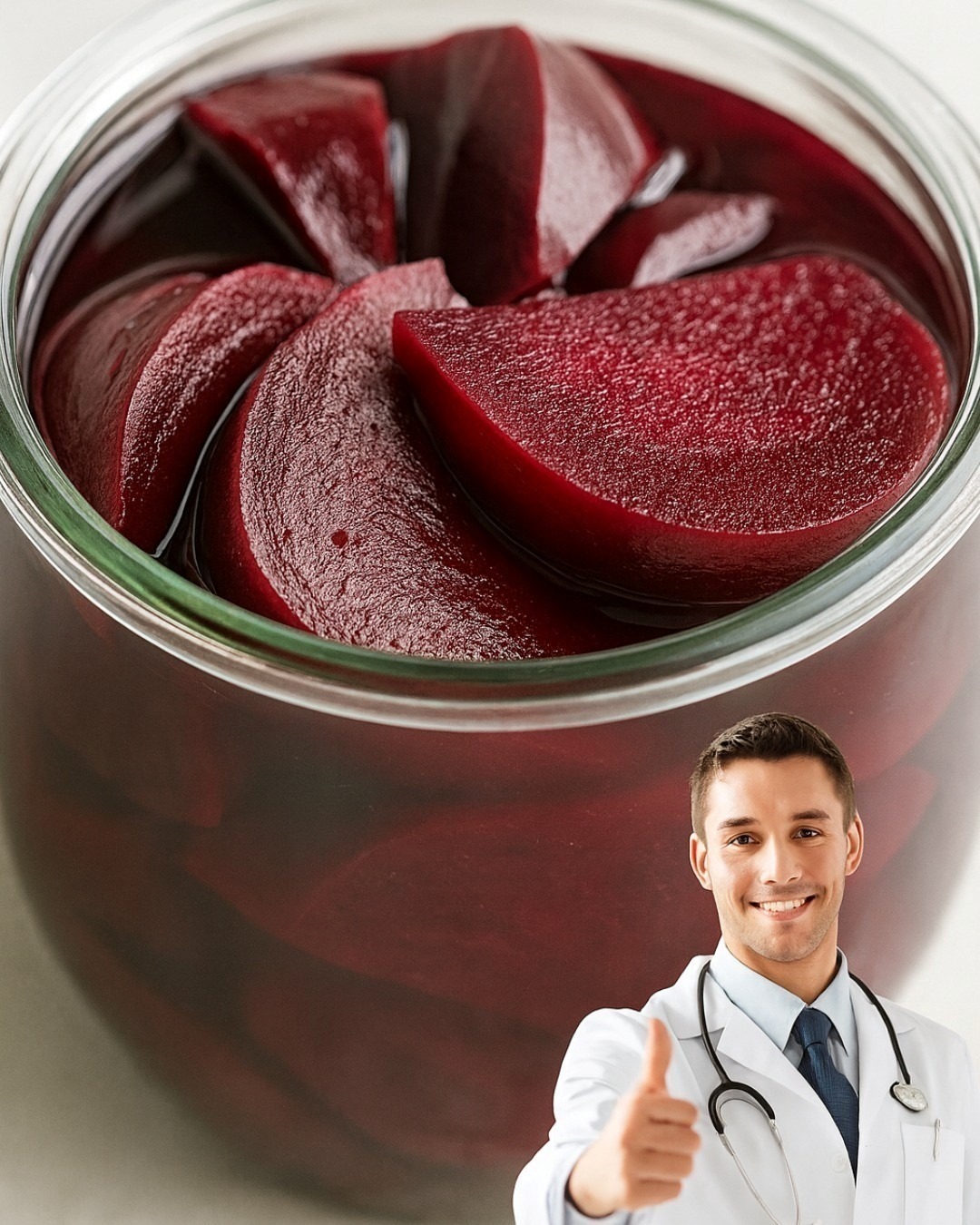
Beets are a vibrant, earthy root vegetable that has gained popularity in recent years—not just for their bold color and sweet, slightly bitter flavor, but for their potential health benefits. Once a humble side dish or pickled snack, beets are now celebrated in smoothies, juices, roasted dishes, and even snacks. Nutritionists and doctors alike often recommend including beets in your diet, but what actually happens if you eat them every day? Let’s explore the real changes your body may experience, backed by science and expert insights.
Before diving into what daily consumption does, it’s important to understand what makes beets so special. A single cup of cooked beets (about 136 grams) contains:
Calories: 59
Carbohydrates: 13 grams
Fiber: 4 grams
Protein: 2 grams
Vitamin C: 8% of the daily recommended intake
Folate (Vitamin B9): 37% of the daily recommended intake
Manganese: 22% of the daily recommended intake
Beets are also rich in phytonutrients, particularly betalains, which are responsible for their deep red color and have antioxidant and anti-inflammatory properties. They also contain nitrates, which can influence blood flow and cardiovascular health.
With this impressive profile, it’s no wonder that doctors often highlight beets as a functional food—one that provides both nutrition and health benefits beyond basic sustenance.
Cardiovascular Benefits
One of the most well-documented effects of eating beets daily is on heart health. Beets are high in dietary nitrates, compounds that the body converts into nitric oxide. Nitric oxide helps relax and dilate blood vessels, improving blood flow and lowering blood pressure.
A 2015 study published in Hypertension found that drinking beet juice daily reduced blood pressure in adults with high blood pressure. According to Dr. Amanda Lee, a cardiologist based in New York, “Even moderate daily consumption of beets can have a meaningful impact on blood pressure and overall cardiovascular health.”
This effect can translate to:
Lower risk of hypertension
Improved endurance and oxygen utilization during exercise
So, if you’re eating beets daily, you may notice your blood pressure readings improving over time, especially if you pair beets with a balanced diet and regular exercise.
Enhanced Exercise Performance
Speaking of exercise, beetroot has been a popular supplement among athletes for its ability to boost stamina and performance. The nitrates in beets improve blood flow to muscles, making oxygen delivery more efficient. This can help delay fatigue during workouts.
Continue reading…
ADVERTISEMENT
