ADVERTISEMENT
Unrelieved by rest
Worsens over time
This fatigue often arises because the body is using energy to fight abnormal cell growth or because cancer affects nutrient absorption, leading to anemia or deficiencies.
Subtle Signs to Watch
Unusual shortness of breath or weakness
Feeling drained after minimal physical activity
Difficulty concentrating or “brain fog”
What to Do: If fatigue persists for weeks without an obvious cause, it’s worth discussing with a doctor. Blood tests and other screenings can help determine if fatigue is related to a serious medical issue.
3. Unusual Lumps or Swelling
Why It Matters
A lump or swelling in your body that doesn’t go away or grows over time can be an early sign of cancer. While many lumps are benign, certain characteristics warrant attention:
Irregular shape
Painless, but persistent
Growing over weeks or months
Cancers that may present as lumps include breast cancer, testicular cancer, lymphomas, and soft tissue sarcomas.
Subtle Signs to Watch
Swelling in lymph nodes (neck, armpit, groin)
Persistent abdominal bloating
What to Do: Don’t ignore unusual lumps. Schedule an appointment with a healthcare provider for an examination, imaging, or biopsy if necessary.
4. Changes in Skin, Moles, or Lesions
Why It Matters
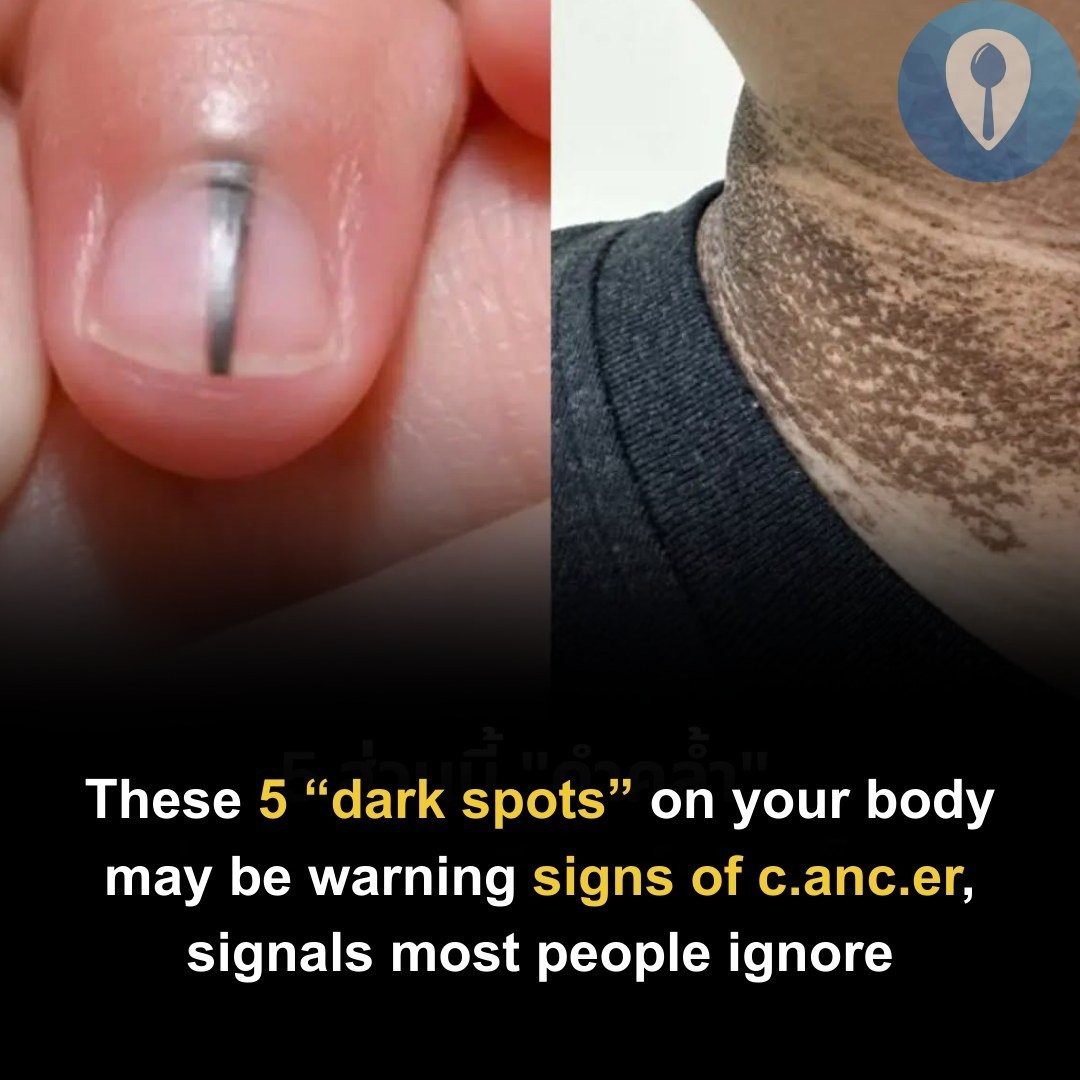
Skin changes are often dismissed as normal aging or minor irritation. However, certain alterations can signal skin cancer or internal cancers. The most well-known skin cancer warning sign is melanoma, but basal and squamous cell carcinomas are also common.
The ABCDE rule is a helpful guide for evaluating moles:
A – Asymmetry: One half doesn’t match the other
B – Border: Edges are irregular, scalloped, or poorly defined
C – Color: Uneven shades of brown, black, or multiple colors
D – Diameter: Larger than 6 mm (about the size of a pencil eraser)
E – Evolving: Changes in size, shape, color, or symptoms like bleeding
Other skin changes to watch for include unexplained rashes, sores that don’t heal, or sudden darkening of the skin in patches.
Subtle Signs to Watch
Persistent itchiness or tenderness in a mole or patch
Redness or swelling around existing spots
Rapidly growing or new lesions
What to Do: Schedule a dermatology check if you notice these changes. Skin cancer detected early is often highly treatable.
5. Persistent Digestive or Urinary Changes
Why It Matters
Changes in digestion or urination can seem like minor inconveniences, but persistent changes may indicate cancers of the colon, bladder, kidney, or prostate. Because these symptoms are common in non-cancer conditions, they are often overlooked.
Symptoms to pay attention to include:
Blood in stool or urine
Unexplained constipation or diarrhea lasting more than a few weeks
Persistent bloating or abdominal discomfort
Changes in urination patterns, such as frequency, pain, or urgency
Subtle Signs to Watch
Unexplained nausea or vomiting
Unintentional swelling in the abdomen
Difficulty controlling bladder or bowel habits
What to Do: Don’t self-diagnose. Persistent changes warrant a professional evaluation, including imaging or endoscopy if recommended.
Why These Signs Are Often Overlooked
Many of these early cancer symptoms are vague, gradual, or resemble common ailments. We tend to normalize fatigue, ignore minor changes, or attribute weight fluctuations to stress or lifestyle. Unfortunately, early-stage cancers are often silent, and waiting too long can reduce treatment effectiveness.
Other factors that contribute to overlooked symptoms include:
Busy lifestyles and ignoring mild discomfort
Misattributing symptoms to aging or existing conditions
Fear of medical testing
Lack of routine screenings or check-ups
Awareness and vigilance, not fear, are the keys to catching warning signs early.
Practical Steps to Stay Ahead
While not every unusual symptom signals cancer, early detection saves lives. Here are steps you can take:
Schedule regular check-ups: Preventive exams and screenings for common cancers (breast, colon, cervical, prostate) are essential.
Know your family history: Genetics can play a role in cancer risk. Discuss your family medical history with your doctor.
Track changes over time: Keep a small notebook or app to record unusual symptoms—size, frequency, or severity.
Don’t ignore gut instincts: If something feels “off,” even mildly, consult a healthcare professional.
Adopt a healthy lifestyle: Balanced nutrition, regular exercise, limited alcohol, and avoiding tobacco reduce cancer risk.
The Importance of Early Detection
The most encouraging fact about cancer today is that early detection drastically improves survival rates. For many cancers, the 5-year survival rate is much higher when diagnosed in stage 1 compared to stage 4. Paying attention to subtle warning signs allows treatment to begin sooner, improving outcomes and often reducing the intensity of interventions required.
Final Thoughts
Cancer doesn’t always announce itself with dramatic symptoms. Often, it whispers, in the form of fatigue, small lumps, subtle digestive changes, or changes in skin and moles. Being aware of these subtle indicators—and taking action promptly—can save lives.
Awareness doesn’t mean living in fear. It means cultivating a sense of responsibility and attentiveness to your own body. Understanding what is normal for you and noticing when something shifts can make a real difference.
If you notice any of the warning signs described here, reach out to a healthcare professional. Early action is the most powerful step you can take. After all, in health as in life, vigilance is not paranoia—it’s empowerment.
ADVERTISEMENT
