ADVERTISEMENT
Why It’s a Problem
When muscles aren’t used, they weaken. Core muscles, leg strength, and stabilizing muscles around the hips and ankles are especially important for balance. Reduced activity leads to:
Slower reaction times
Reduced joint flexibility
Poor posture
All of these increase fall risk.
The Better Approach
Balance improves with safe, consistent movement. Activities that help include:
Walking
Tai chi
Light resistance training
Balance-specific exercises
Movement doesn’t need to be intense—it needs to be regular. Even short daily routines can dramatically improve stability over time.
2. Ignoring Vision and Hearing Changes
Vision and hearing play a bigger role in balance than many people realize.
As eyesight declines, the brain receives less accurate information about surroundings, depth, and motion. Hearing loss can also affect spatial awareness and balance.
Common Oversights
Wearing outdated prescriptions
Ignoring cataracts or glaucoma symptoms
Overlooking hearing loss
Poor lighting at home compounds the problem, especially at night.
The Better Approach
Schedule annual eye and hearing exams
Update glasses as needed
Use night lights in hallways and bathrooms
Increase lighting near stairs and entrances
Clear sensory input helps the brain make faster, safer adjustments.
3. Wearing the Wrong Shoes (Or No Shoes at All)
Footwear is often underestimated when it comes to balance.
Slippers, socks, flip-flops, or worn-out shoes can dramatically increase the risk of slipping or tripping—especially on smooth floors.
Why Footwear Matters
Shoes affect:
Grip on surfaces
Foot positioning
Ankle stability
Sensory feedback to the brain
Shoes with slick soles, high heels, or poor support compromise balance.
The Better Approach
Choose shoes that:
Have non-slip soles
Fit snugly but comfortably
Offer good arch and heel support
Have low, stable heels
Inside the home, supportive indoor shoes or non-slip socks are safer than going barefoot.
4. Standing Up Too Quickly
Dizziness when standing—often brushed off as “normal”—is a major cause of falls.
This condition, called orthostatic hypotension, occurs when blood pressure drops suddenly upon standing.
Why It Happens More With Age
Blood pressure regulation becomes less efficient
Dehydration is more common
Certain medications contribute to sudden drops
Standing up quickly from a bed or chair can cause:
Lightheadedness
Blurred vision
Temporary loss of balance
The Better Approach
Practice slow transitions:
Sit on the edge of the bed for 30 seconds
Stand up slowly
Pause before walking
Staying hydrated and discussing dizziness with a healthcare provider can also help identify medication-related causes.
5. Not Reviewing Medications Regularly
Many older adults take multiple medications—a situation known as polypharmacy.
Some medications, especially when combined, can affect balance, alertness, and coordination.
Medications That May Affect Balance
Blood pressure medications
Sedatives and sleep aids
Antidepressants
Anti-anxiety medications
Certain painkillers
Side effects can include dizziness, drowsiness, and delayed reaction time.
The Better Approach
Review medications with a doctor or pharmacist at least once a year
Ask about balance-related side effects
Report any new dizziness or unsteadiness
Avoid mixing medications with alcohol
Medication adjustments can significantly reduce fall risk.
The Hidden Factors That Make These Mistakes Worse
These common mistakes often interact with environmental hazards such as:
Loose rugs
Cluttered walkways
Uneven flooring
Poor lighting
Lack of handrails
Even small changes—like removing throw rugs or installing grab bars—can dramatically improve safety.
Why Falls Are More Serious Than People Think
Falls are not just accidents—they’re major health events.
For older adults, falls can lead to:
Hip fractures
Head injuries
Loss of mobility
Fear of movement
Reduced independence
The emotional impact can be just as serious as the physical injury.
Prevention Is Possible at Any Age
The good news is that balance can improve at any stage of life.
Studies consistently show that:
Strength training improves stability
Balance exercises reduce fall risk
Environmental modifications prevent accidents
Awareness changes behavior
Even people in their 80s and 90s benefit from targeted balance training.
A Simple Daily Balance Checklist
To reduce risk:
Move every day
Wear supportive shoes
Rise slowly
Keep vision and hearing sharp
Review medications regularly
Keep living spaces well-lit and clutter-free
Small habits add up to big protection.
Final Thoughts
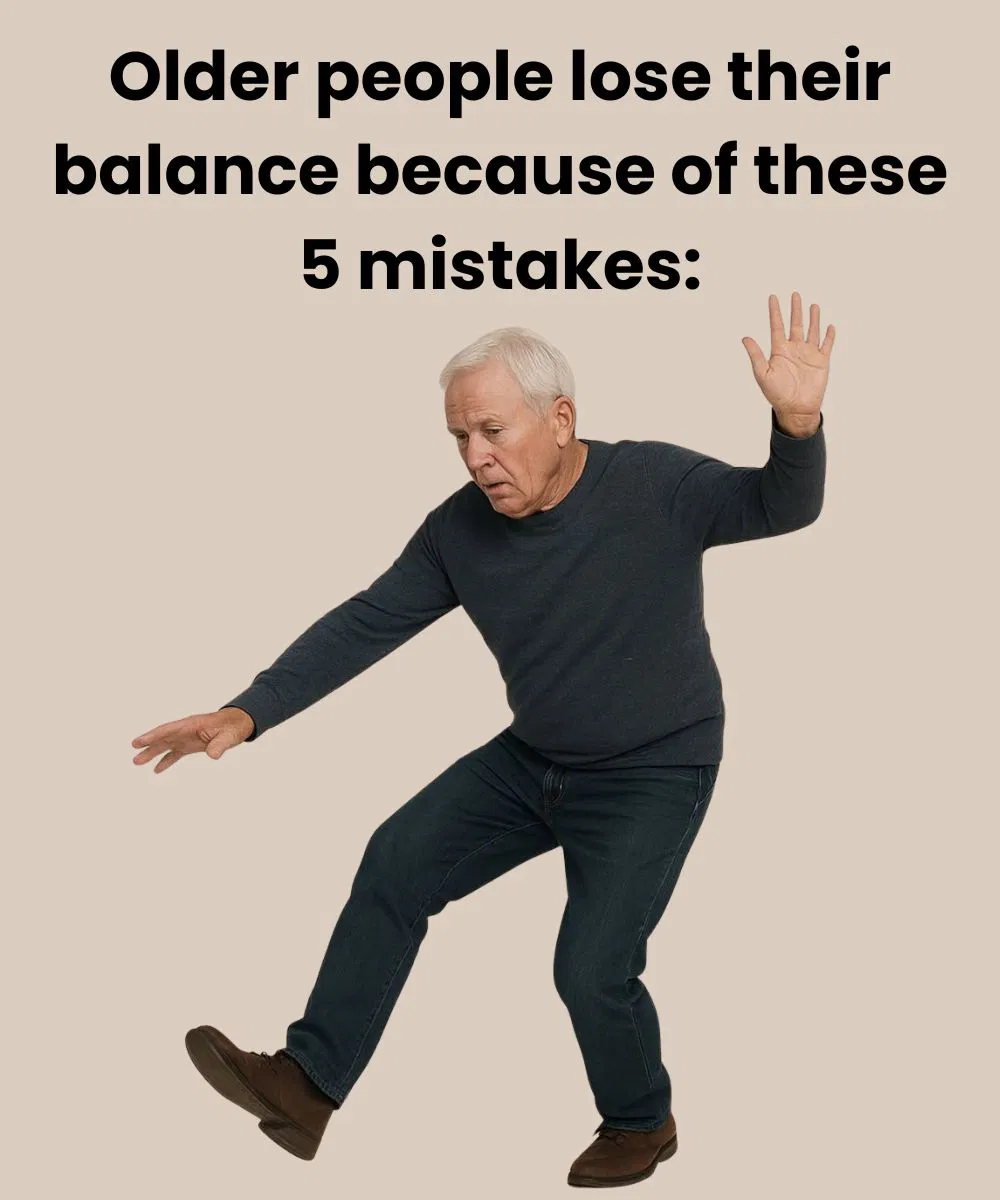
Loss of balance is not an inevitable part of aging—it’s often the result of overlooked habits and assumptions. By identifying these five common mistakes, older adults and their families can take meaningful steps toward safer, more confident movement.
Balance is about more than staying upright.
It’s about preserving independence, dignity, and quality of life.
ADVERTISEMENT
